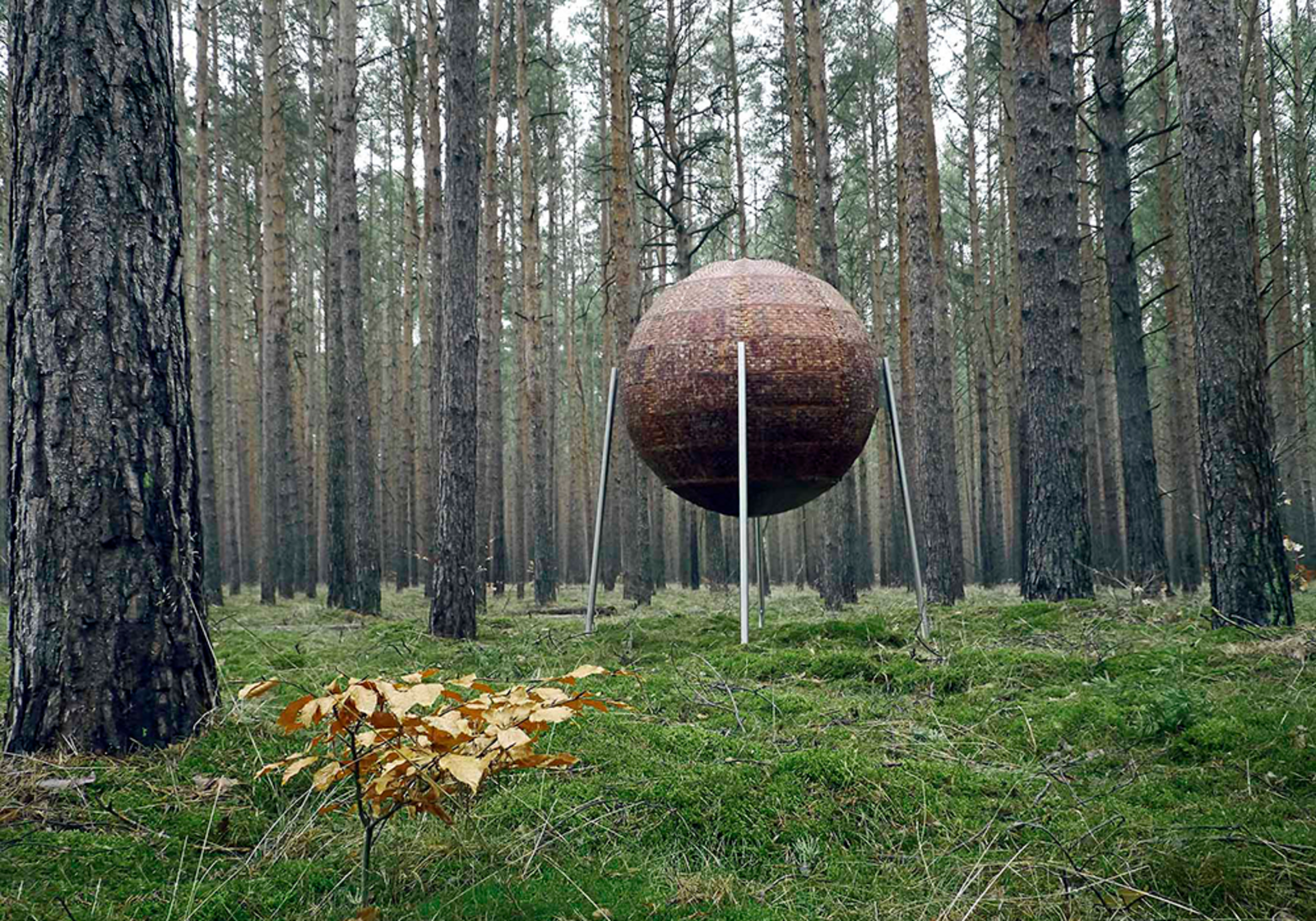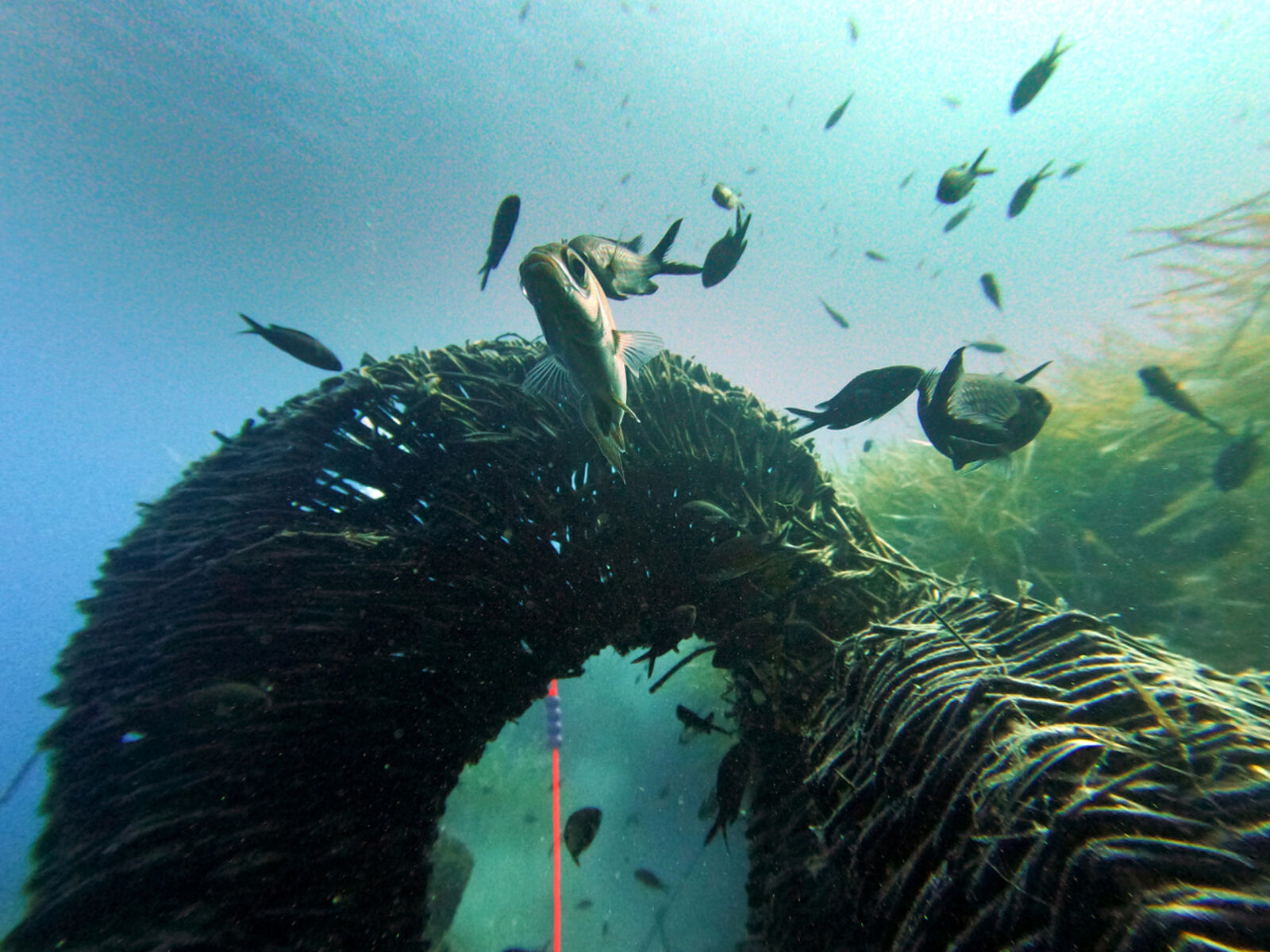
»Syntopolis« reef prototype in STARESO. Design: Rasa Weber, rasaweber.com. Co-Design and Production: Atelier Marie Drouet. Photo: Till Timmermann
Die Spree fließt Queer
Artist Talk und Workshop zur Eröffnung der neuen Ausstellung im Humboldt Lab
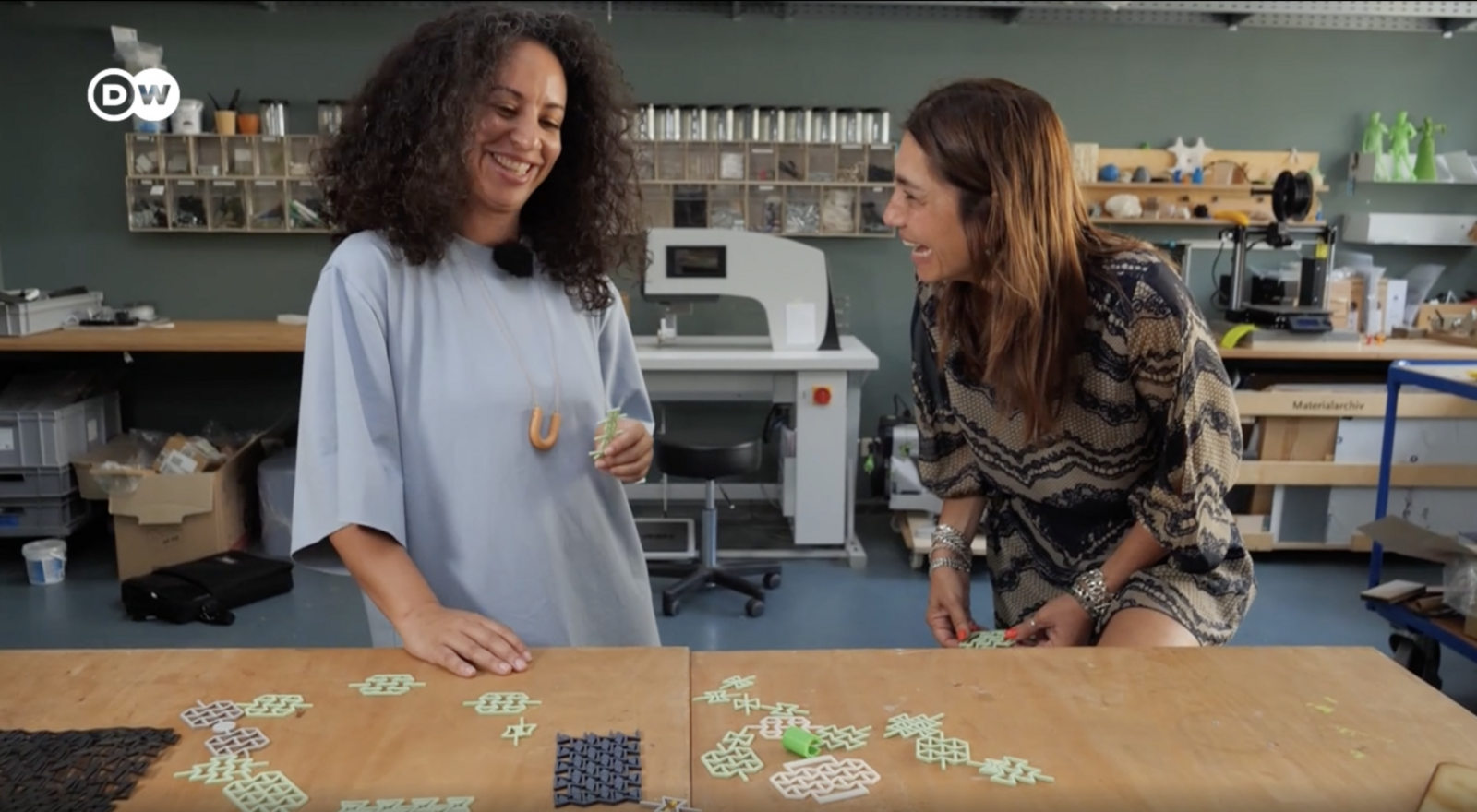
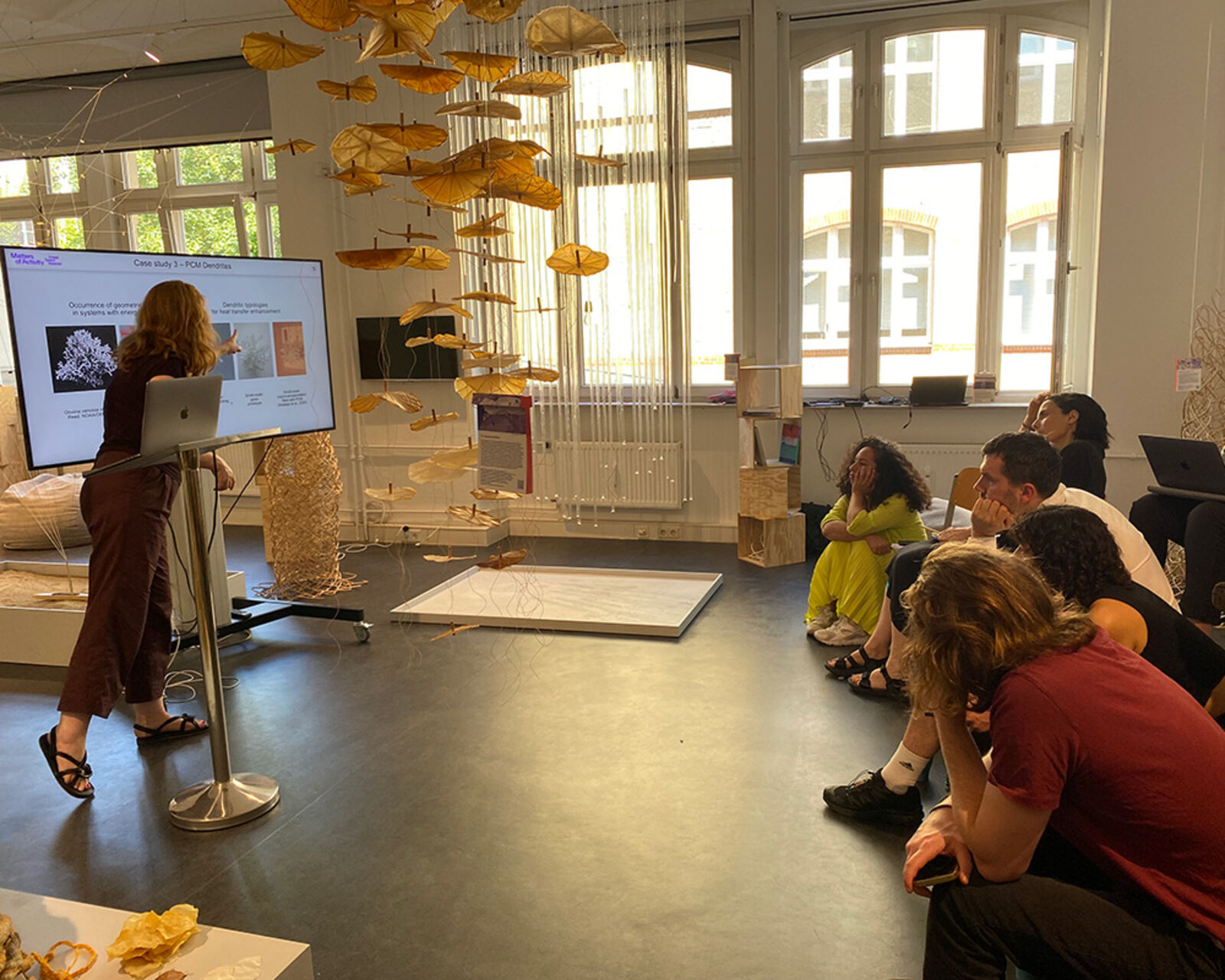
Material Form Function | Biodesign | Climate | More-Than-Human | Ocean | Prototype / Model | Science Communication Anlässlich der Eröffnung der neuen Ausstellung im Humboldt Lab spricht Daniel Tyradellis mit MoA Mitglied Rasa Weber und Jakob Kukula darüber, wie künstlerische und immersive Praktiken unsichtbare Unterwasserökologien sichtbar machen, politische Diskurse erweitern und strukturellen Wandel anstoßen können. Im anschließenden Workshop mit Rasa Weber erfahren Besucher:innen, wie ein künstliches Riff entsteht und wirken mithilfe traditioneller Handwerkstechniken an der Fertigstellung eines solchen mit.
more
MAKING facades host life with Dimitra Almpani-Lekka
MAKING Facades Host Life
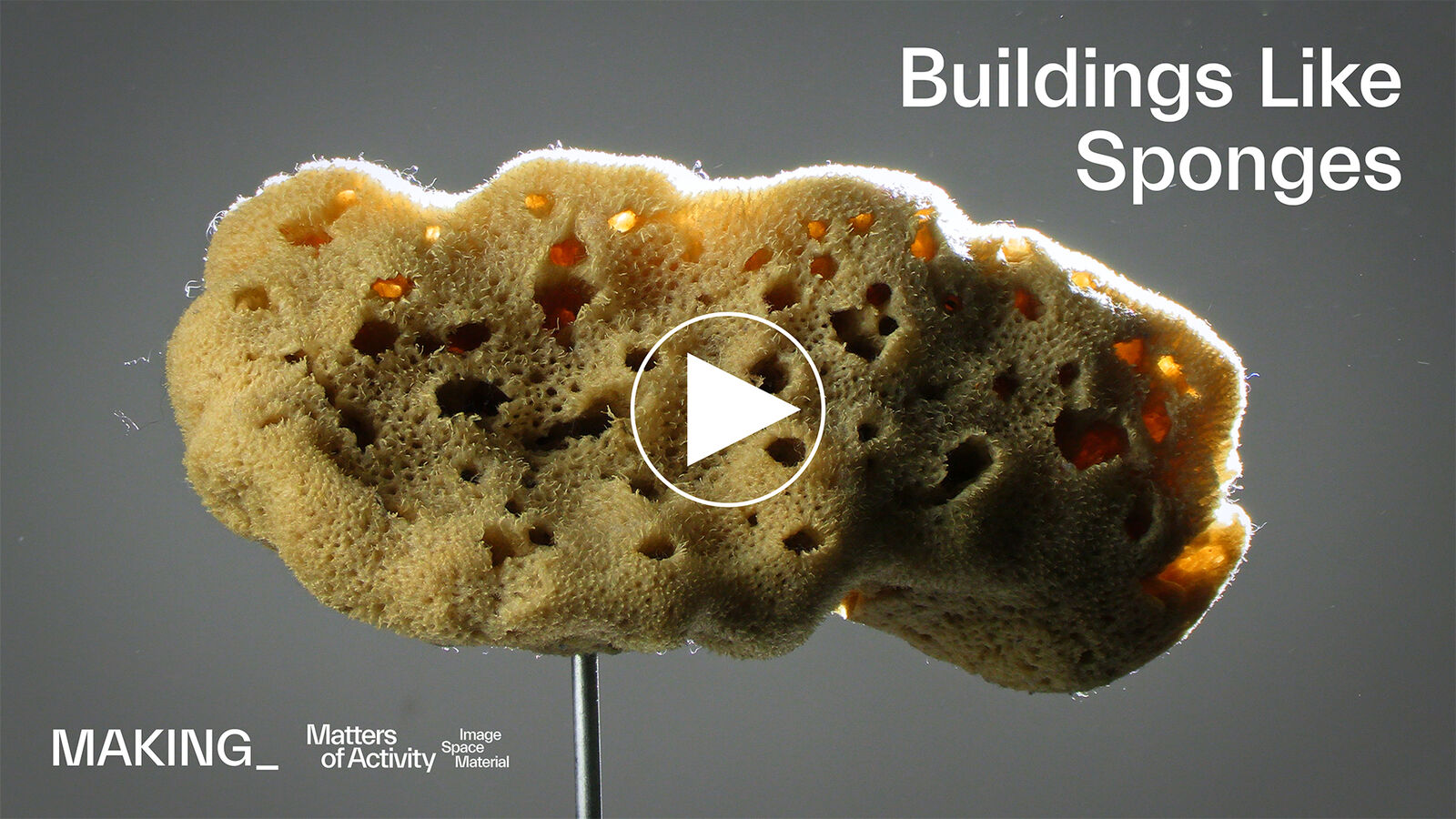
The new episode with Dimitra Almpani-Lekka explores how sponges and their porosity could hold the key to the future of architecture
Object Space Agency | Biodesign | Climate | Clay | Prototype / Model | Water | More-Than-Human | MAKING_ | Science Communication Imagine a home whose surface absorbs rainwater like a sponge. This innovation could improve the abilities of urban areas to adapt to both heat and floods in the future. Don't miss the latest episode of MAKING_ where Dimitra Almpani-Lekka reveals how she takes the principles of sponges and applies them to clay tiles to create prototypes for bioreceptive facades and buildings.
more
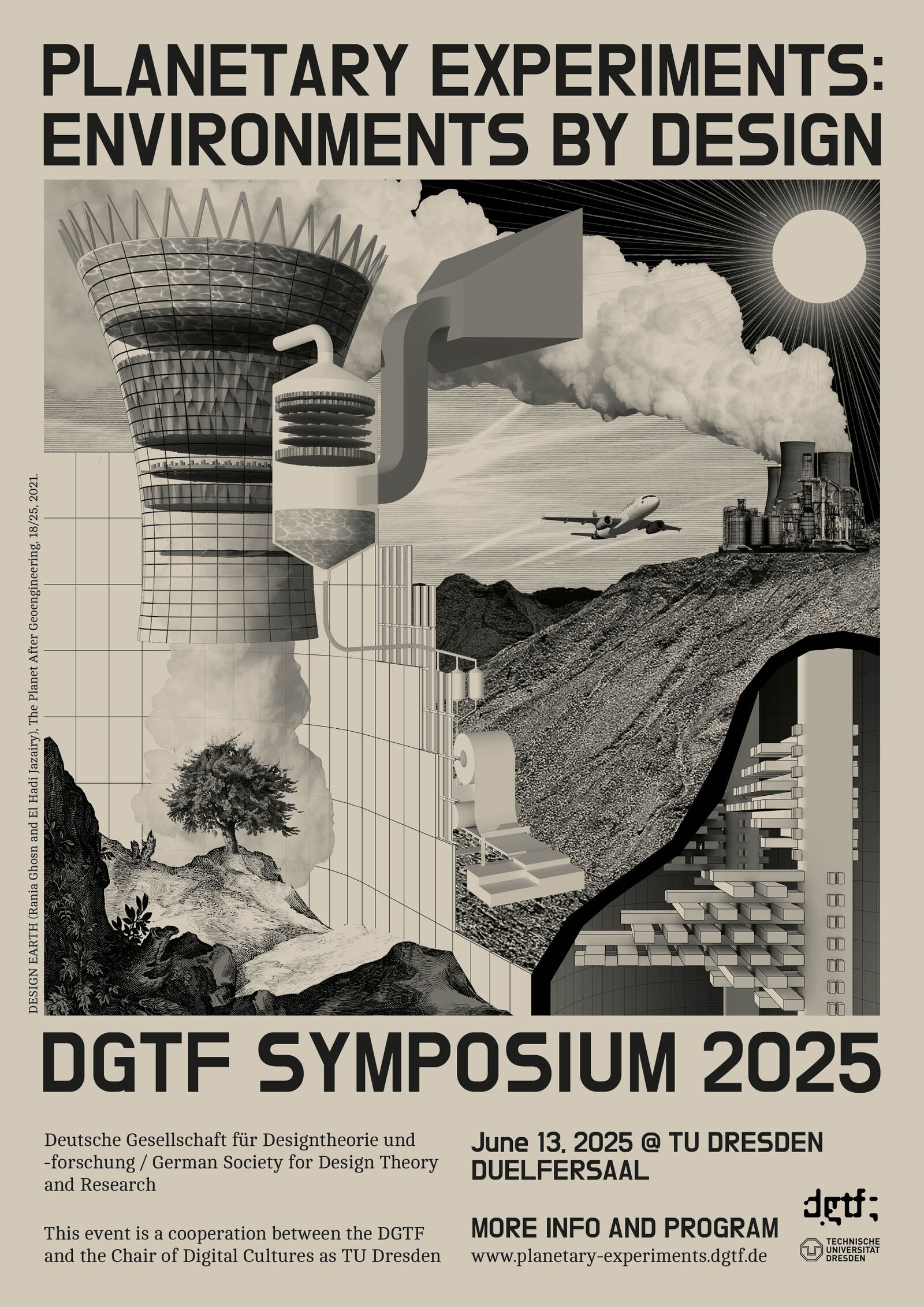
DESIGN EARTH (Rania Ghosn and El Hadi Jazairy), The Planet After Geoengineering, 18/25, 2021
Planetary Experiments: Environments by Design
Annual Conference of DGTF, Organized by Michaela Büsse Among Others
Biodesign | Climate | More-Than-Human | Speculative Design The German Society for Design Theory and Research (DGTF), in collaboration with the Chair of Digital Cultures TU Dresden, invites participants to critically engage with the theme »Planetary Experiments: Environments by Design«. This conference, organized by Michaela Büsse among others, explores the diverse perspectives and practices of design research and theory in addressing the far-reaching ecological, social and technological challenges of our time. Over the course of one day and in a hybrid setup (Dresden & remote), they will bring together scholars and practitioners, like Cluster member Rasa Weber, to engage in keynote talks, panel discussions and practice presentations that critically explore the concept of »Planetary Experiments«.
more
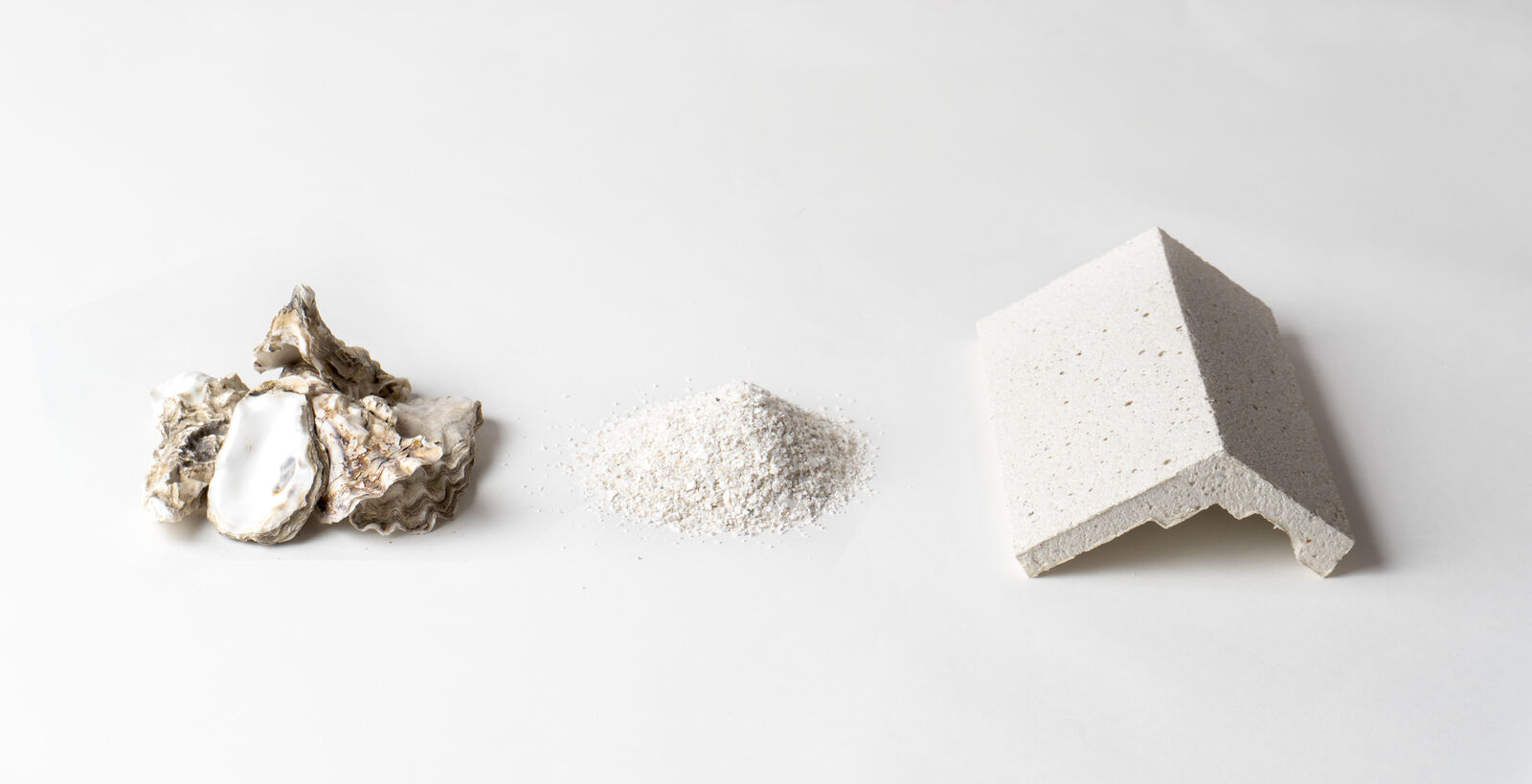
CONQ, Heidi Jalkh & Angie Dub
CONQ at Biennale Architettura 2025
Associated Member Heidi Jalkh Presents Marine Biobased Building Materials in Venice
Material Form Function | Circular Economies | Biodesign | Ocean | Prototype / Model | Climate Cluster member Heidi Jalkh and Angie Dub have been invited to contribute to the Biennale Architettura 2025, curated by Carlo Ratti. The theme of the 19th International Architecture Exhibition is »Intelligens. Natural. Artificial. Collective«. Their project »CONQ – Marine biobased building materials«, will be part of the Arsenale Exhibition: Matter Makes Sense. The Venice Biennale will be open to the public from Saturday, May 10th to Sunday, November 23th, 2025.
more
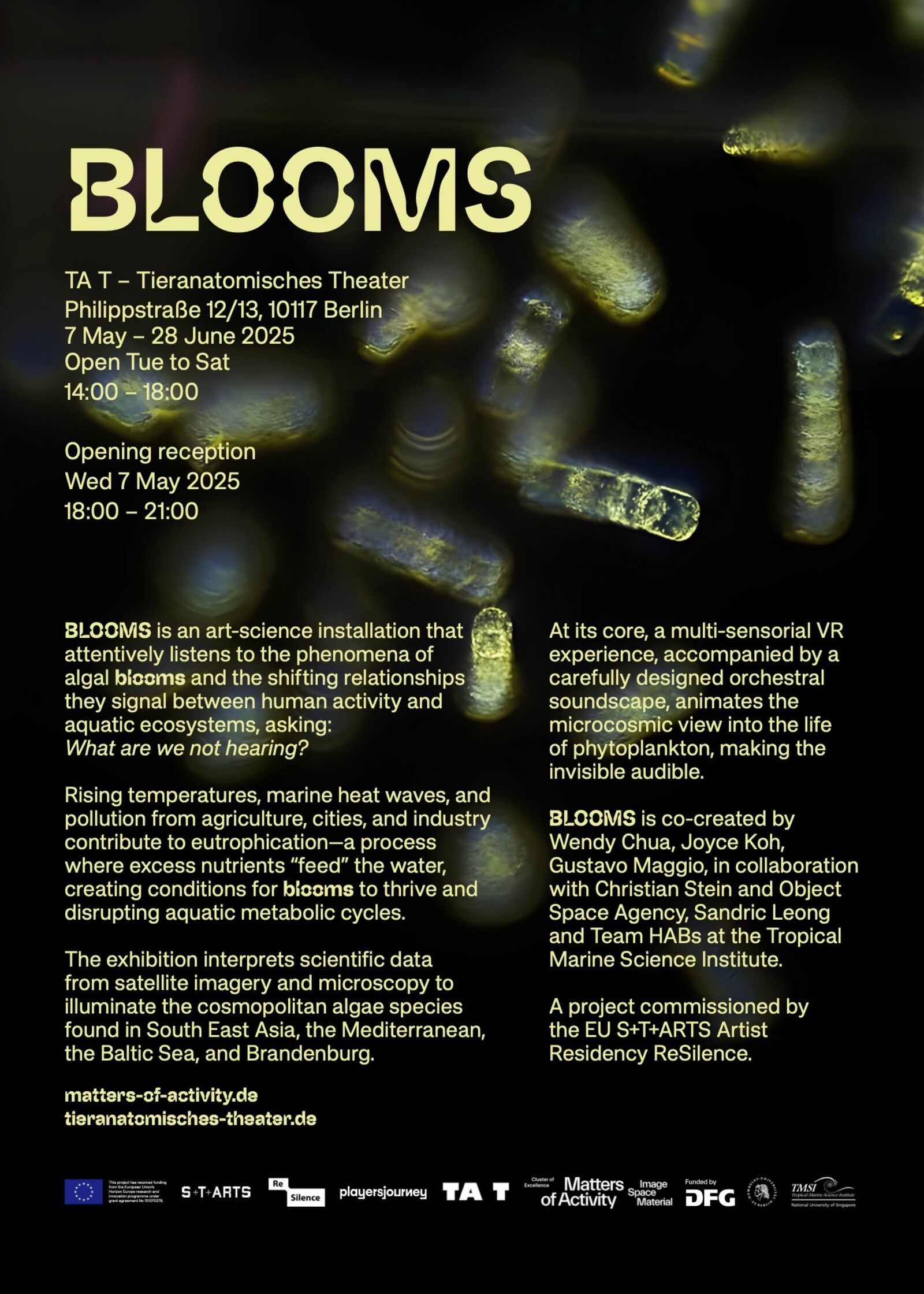
Blooms
Art-Science Installation by Christian Stein Opening at Tieranatomisches Theater
Object Space Agency | Science Communication | Sound | Water | Climate »Blooms« is an art-science installation by Christian Stein at Tieranatomisches Theater that illuminates the hidden soundscapes of the climate precarity of algal blooms that plague water bodies flowing through and around cities, opening on May 7th, 6:00 pm. Rising temperatures, marine heatwaves and anthropogenic pollutants spur the increasing frequency of toxic algal blooms. These anthropogenic waste streams exit our urban, agricultural and industrial environments to ›nourish‹ rivers and seas, creating the eutrophic condition for toxic algal blooms that disrupt metabolic cycles of water ecosystems.
more
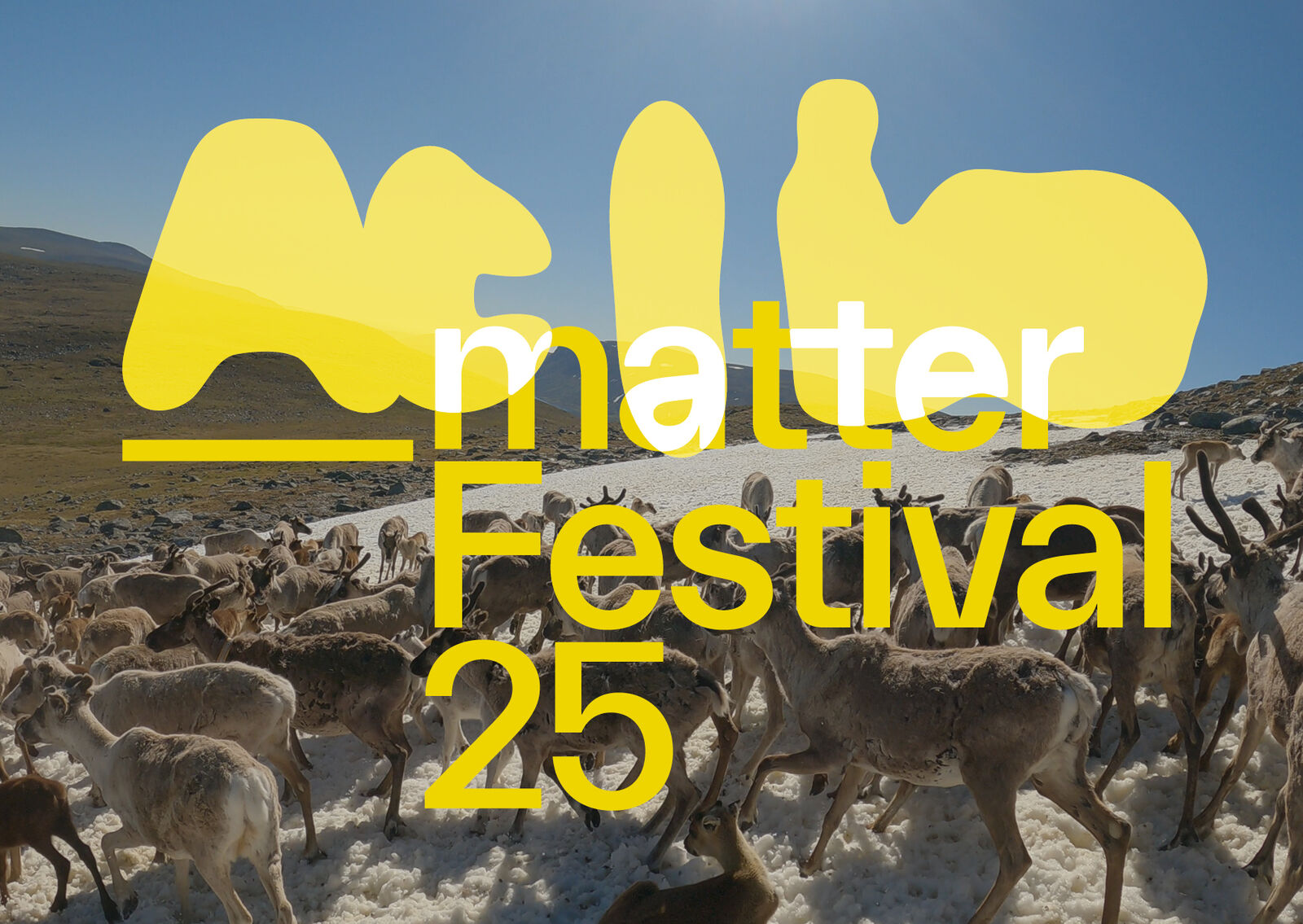
Film Still taken from a film by Oula A. Valkeapää. Still: Oula A. Valkeapää, 2021
Johtingeaidnu – The Path Within
Exhibition, Talk and Tours
Material Form Function | _matter Festival 2025 | Speculative Design | Science Communication | Climate | More-Than-Human | Temporality »Johtingeaidnu – The Path Within« is the first program highlight of the _matter Festival 2025. The exhibition at Schering Stiftung brings together two worlds: reindeer nomadism in the Arctic Sápmi region and the bioscience of epigenetics. Drawing on living relations within contemporary reindeer worlds and bioscientific research, the exhibition at materializes a world in which epigenetic memories are not only shared between humans but carried within ancestral migratory paths, called ›Johtingeaidnu‹. The exhibition opens on April 10th, 2025, 6:00 pm, followed by a conversation between artist Emilia Tikka and Miriam Liedvogel (Director Institute of Avian Research, Wilhelmshaven) on April 11th.
more

Laurentiu Constantin measuring a soil core sample in Bieselfließ, Germany, Nov 2024.Copyright: inherit. heritage in transformation
muddy measures. when wetlands and heritage converse
Exhibition of Centre of Advanced Studies »inherit. heritage in transformation« Opens at Tieranatomisches Theater
Material Form Function | Climate | Water | Science Communication The exhibition »muddy measures. when wetlands and heritage converse« examines the relationship between wetlands and heritage. How does a heritage perspective reshape our understanding of wetlands? The exhibition is organized by Cluster Associated Member Yoonha Kim, together with Juliana Robles de la Pava and Margareta von Oswald and entails works of the Cluster members Charlett Wenig and Lucy Norris as well as Léa Perraudin and Iva Rešetar as part of the _matter festival. The opening will take place on March 27th at 6.00 pm. There will be a guided tour at 6.30 pm, followed by a reception.
more
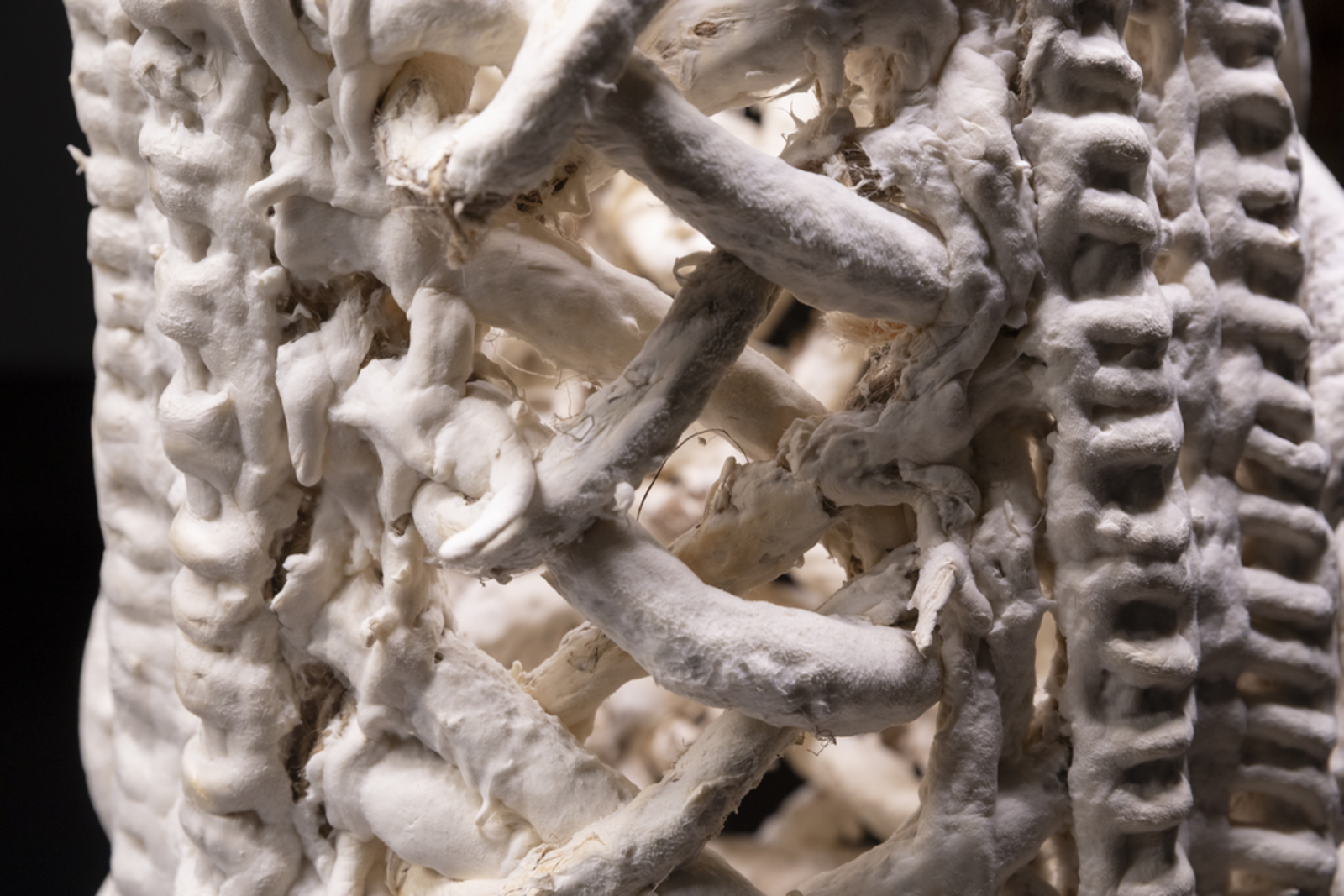
Project »Myko.Plektonik«, Natalija Miodragović & Dimitra Almpani-Lekka. Photo: Michelle Mantel. Copyright: Matters of Activtiy
Active Matter and Environmental Relations
Charlett Wenig and Natalija Miodragović, Together with Alice Jarry, are Panelists at »In.Site2 and Sustainability Across Disciplines«
Weaving | Material Form Function | Object Space Agency | Biodesign | Tree Bark | Forest | Fungi/Mycelium | Circular Economies | Climate In this conversation, designers Alice Jarry (Concordia, CA), Charlett Wenig and architect Natalija Miodragović discuss with »pk langshaw« how engagement with living, semi-living, and sustainable materials that sense, react, and transform with their environment can deploy regenerative and resilient relations and constitute future-forward opportunities for material practices. The whole conference is hosted in Montreal from on March 17th–21st, but will also be available via Zoom.
more
Living Relations and Epigenetic Memories – Collaborative Imaginaries in Nomadic Reindeer Worlds
Artist Talk by Cluster Member Emilia Tikka at Conference »Memories of Tomorrow«
Material Form Function | Temporality | Climate Emilia Tikka presents the research-driven collaborative art/science project called »Johtingeaidnu – The Path Within«, and its exploration of memory, drawing from bioscience research on transgenerational epigenetic memories and the understanding of memory as place-based in the reindeer worlds of the Arctic Sápmi. In the conference »Memories of Tomorrow« critical questions, such as how biotechnological advancements can allow us to alter the course of human memory and history or in what ways the Earth itself stores the memories of human interaction, and how we can repair the ecological damage we've caused, will be discussed. Registration for the online conference is now open.
more
Rethinking Raw Materials: Design, Brains and the Future
Cluster Member Emma Sicher Gives Talk at Futurium
Weaving | Climate | Brain | Biodesign | Cellulose | Biofilm | Bacteria Moderator Pireeni Sundaralingam, a cognitive scientist, and her guests, Emma Sicher, MoA Pre-Doctoral Researcher and Anna Yona, founder and managing director of »Wildling« will discuss the future of sustainable design and the unconventional use of raw materials at Berlin’s ›House of Futures‹. Emma is a designer investigating materials and foods at the intersection of microbiology and anthropology to envision relational futures. What would happen if we used different materials for our clothes and our shoes? How could our food systems or our buildings use completely different raw materials? A ticket is required, but the admission is free of charge.
more
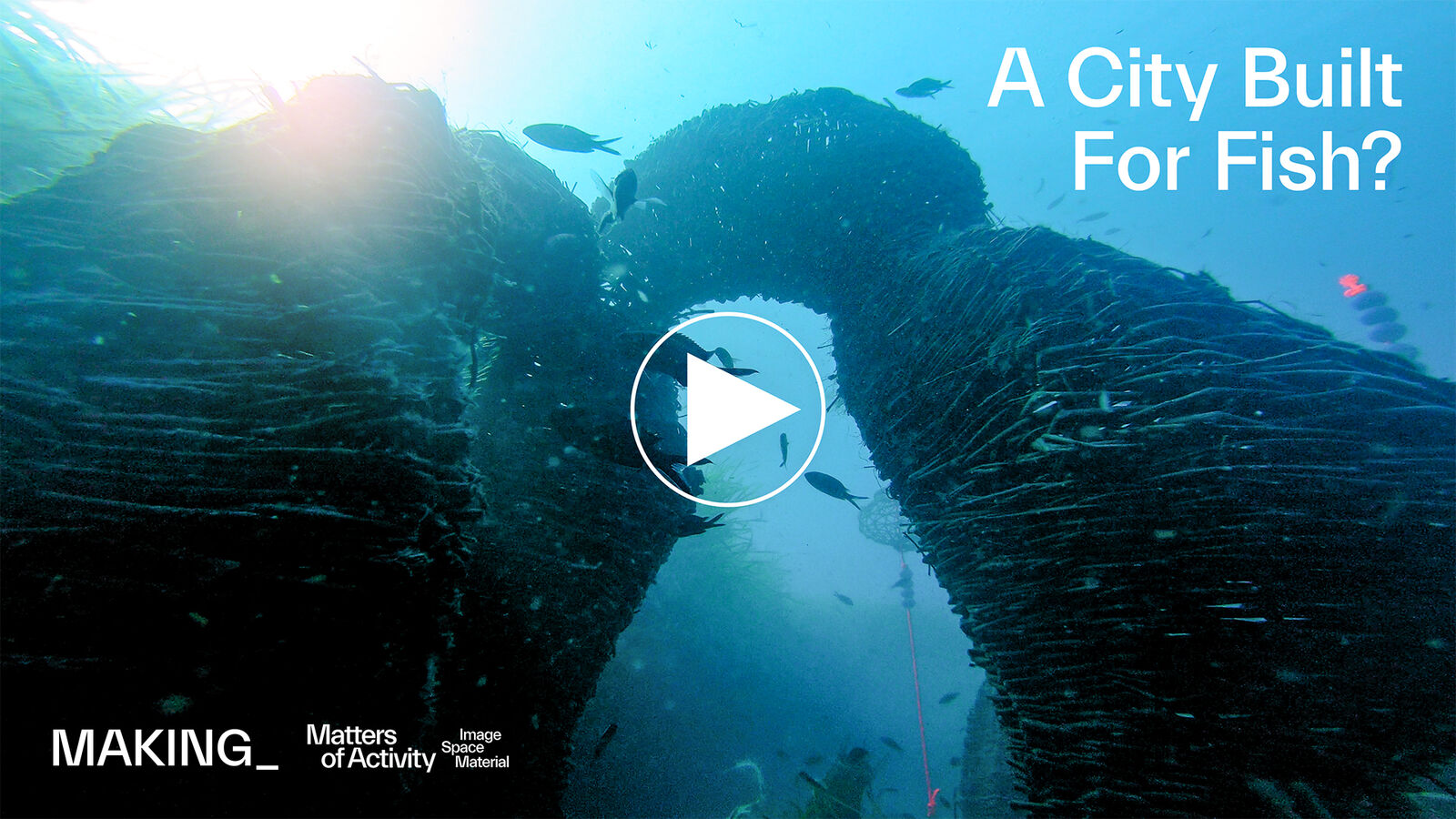
Still of MAKING Artificial Reefs with Rasa Weber. Copyright: Matters of Activity
MAKING Artificial Reefs
This Episode of MoA Mini Documentary Series Highlights the Work of Rasa Weber
Material Form Function | Climate | More-Than-Human | Ocean | Science Communication | MAKING_ Ever wondered what it takes to build a reef — underwater? Rasa Weber does just that, diving into the depths with hammers and screwdrivers to create Syntopolis, a city-like structure designed for anyone who wants to call it home. In the latest episode of Making, join Rasa as she explores the fascinating world of artificial reefs, their environmental impact, and the challenges of constructing them. From sustainable design to marine conservation, this project could be one step in shaping the future of our oceans for the better. Watch the full episode now to see how innovation meets nature!
more
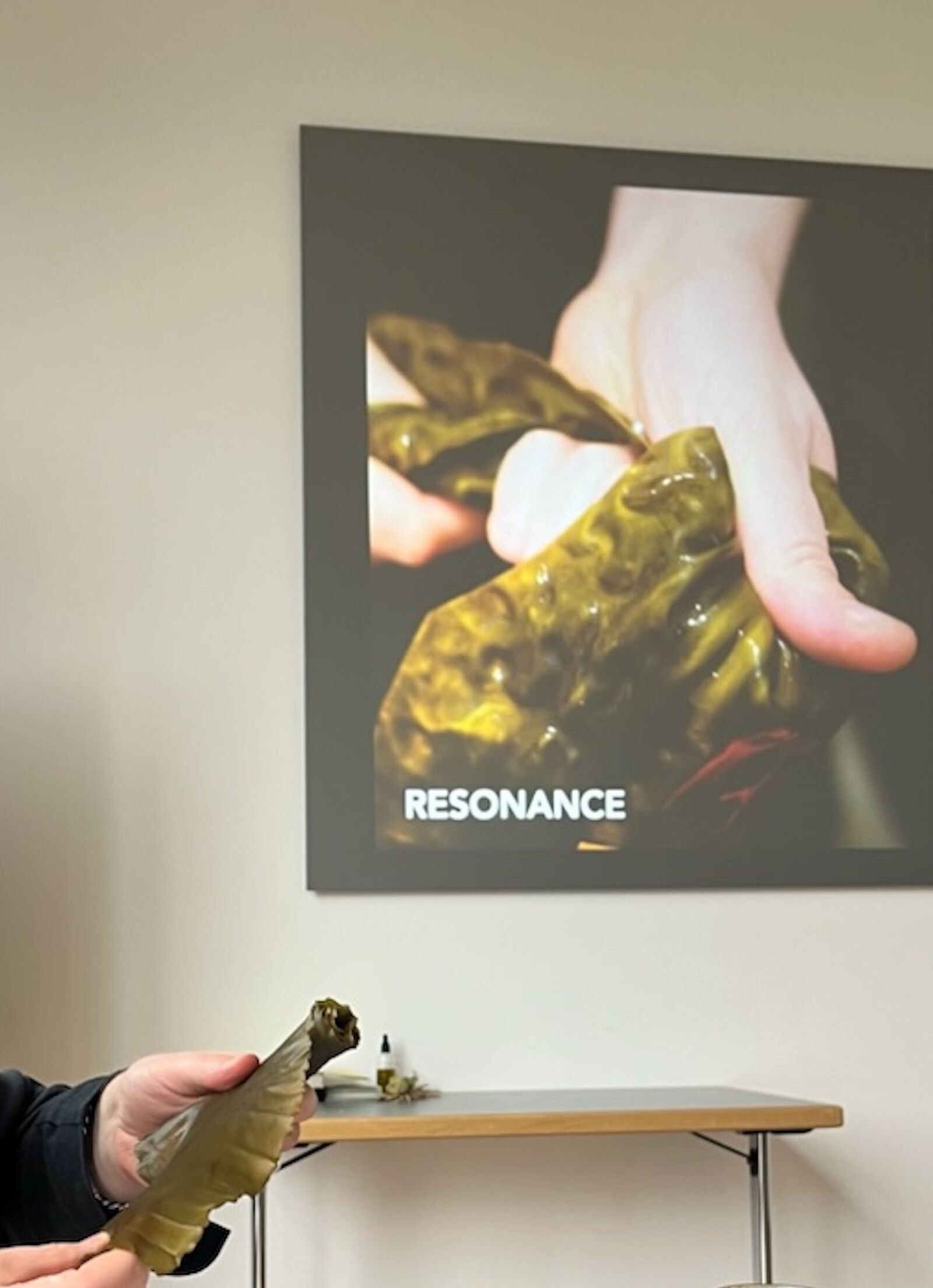
Seaweed resonance, presentation by Julia Lohmann (Aalto, Helsinki). Photo: Clemens Winkler
Sensing Common Grounds. Towards Collaborative Speculation
Symposium by CollActive Materials
Material Form Function | Collactive Materials | Speculative Design | Air | Climate | More-Than-Human | Robotics | Water | Cloud The symposium »Sensing Common Grounds. Towards Collaborative Speculation«, organized by Léa Perraudin and Martin Müller, asked about the ›how‹, foregrounding the methodologies of such speculations and projections: How to relate speculative design proposals to critical diagnoses of the present and attempts at historical speculation? How specifically can collaborative speculation in inter- and transdisciplinary contexts enable us to sense ›what is in the air‹? What narratives, prototypes, materials, and media hold knowledge (and non-knowledge) of these scenarios?
more
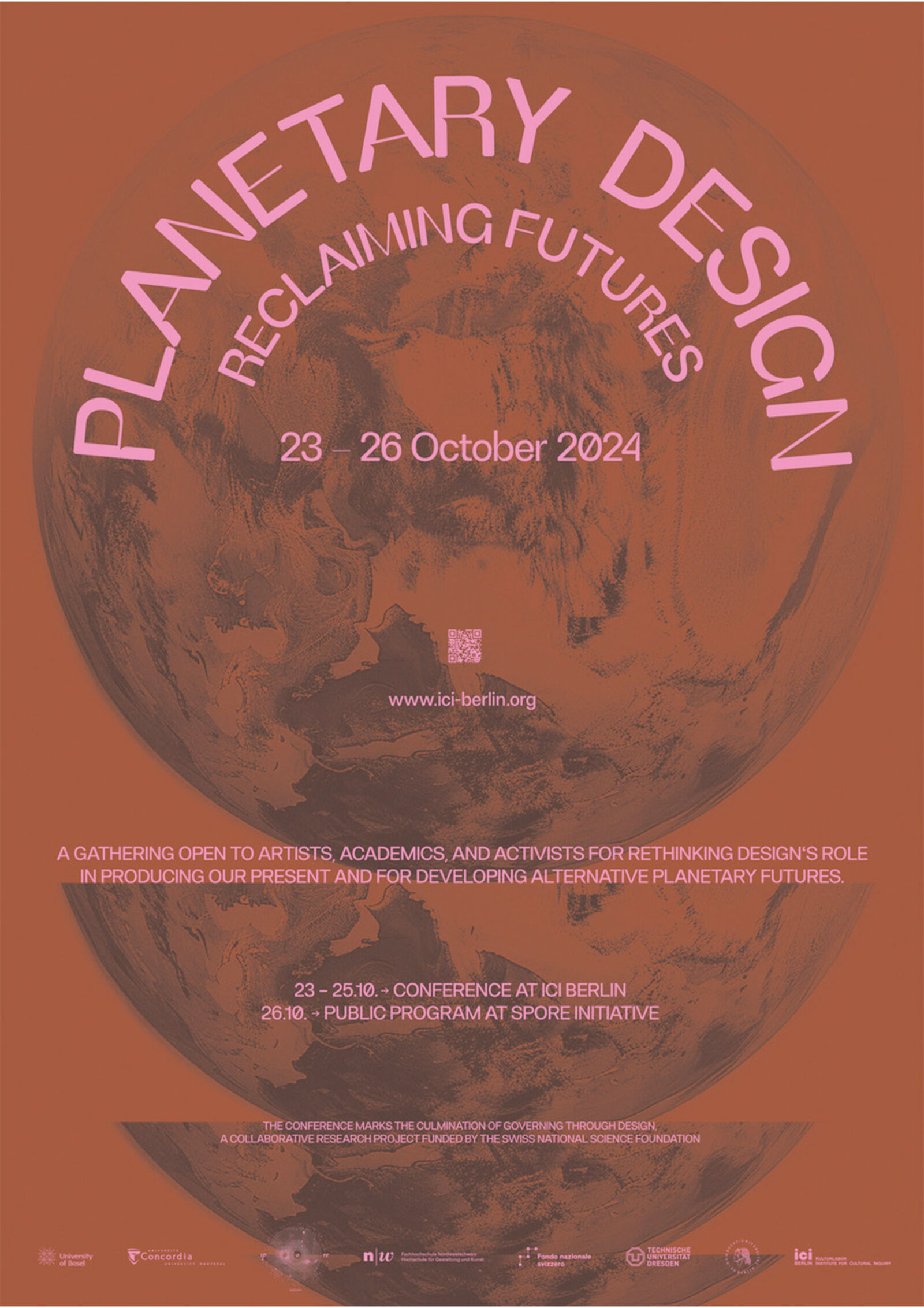
Planetary Design: Reclaiming Futures
Conference Organized by Claudia Mareis – Conference Contributions Now Online as an Audio Series
Material Form Function | Science Communication | Climate | More-Than-Human | Biodesign | Circular Economies | Speculative Design | Temporality The conference »Planetary Design: Reclaiming Futures« brought together critical thinking and doing around the role of design in making, unmaking and remaking worlds. Starting from the intersection of design, infrastructure, and the planetary environment, it offered a generative platform open to artists, academics, and activists for rethinking design’s role in producing the present and for developing alternative planetary futures. The conference gathered artists, academics, and activists to rethink design's role in producing our present and developing alternative planetary futures. The conference contributions are now online as a podcast!
more
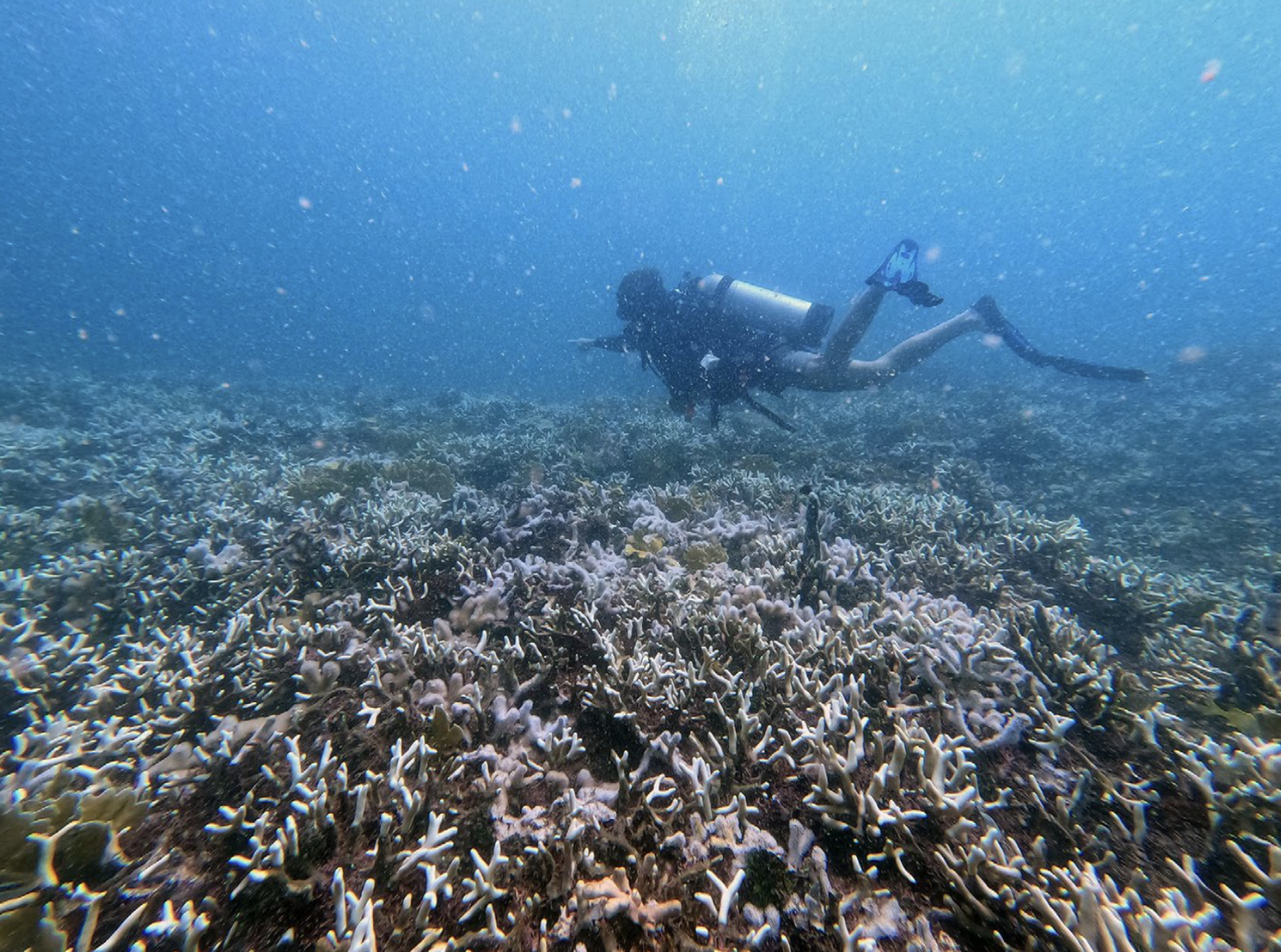
Coral bleaching on Caribbean Coast. Photo: Rasa Weber. Diver: Jota Uparela. From the Project: »Symbiotic Coral Nurseries« in collaboration with The Polynesian Institute of Biomimicry IPB, Andry Carrasquilla, Paraiso Dive Center. Location: Tierra Bomba (COL), 2023
Blasted Seascapes
Two New Articles by Rasa Weber
Material Form Function | Biodesign | Climate | Doctoral Program | More-Than-Human | Ocean | Publications Two articles by Cluster member Rasa Weber were published recently: In kritische berichte. Zeitschrift für Kunst- und Kulturgeschichte, Rasa writes about »Queer Reefs – A Queer Ecological Journey into Blasted Seascapes«. Moreover, »Of Other Reefs: Designing Habitats in Blasted Seascapes« has been published by Cambridge University Press. Both publications are open access.
more
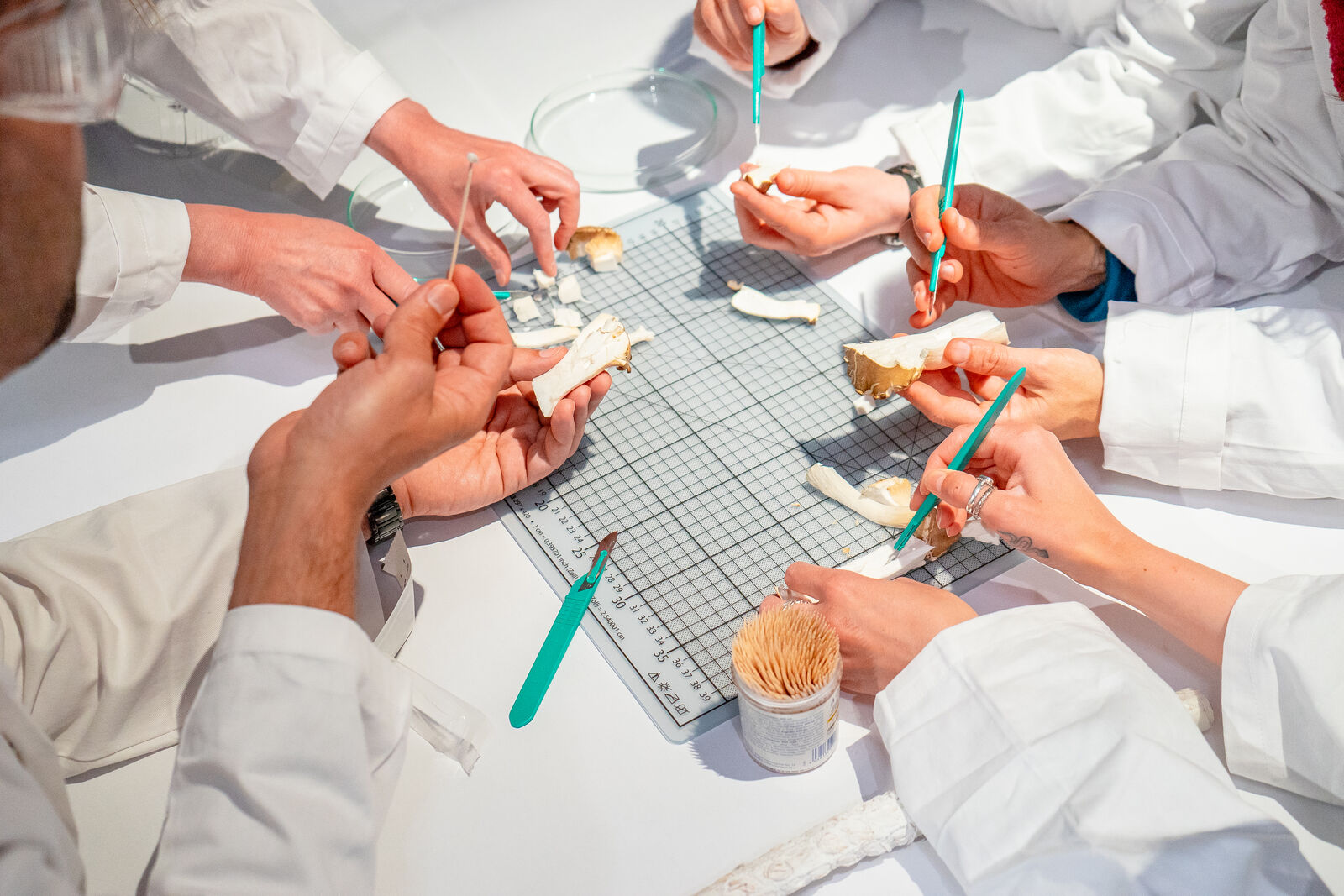
CollActive Materials’ Workshop »Open Lab Abend: Wachsende Architektur – Co-Design mit Pilzen« im Futurium Lab, 13. Juni 2024. Copyright: Matters of Activity
Holitopia 2024
Several MoA Members Contribute to the Festival on Future Design
Object Space Agency | Material Form Function | Science Communication | Speculative Design | Biodesign | Ocean | Fungi/Mycelium | XR | Climate | Collactive Materials | Stretching Materialities Witness future design and art coming together to turn visions into reality: futures you can see and touch! MoA members Christian Stein, Rasa Weber, Natalija Miodragovic, Dimitra Almpani-Lekka, Antje Nestler and Kristin Werner contribute to this year's Holitopia Festival with a keynote, panel, discussion and speculative workshop at Campus Wilhelminenhof of HTW Berlin. Don't miss your chance for a reduced ticket for the conference day. But there are also lots of free activities, such as the exhibition »Above the Sea of Air« with works from the Cluster.
more

Watery digits at the Venetian sestiere of Dorsoduro. Copyrigth: Gina Caison
Surface Tension. Tracing Socio-Material Relations Through Urban Waters
Léa Perraudin Holds Evening Lecture at »Museum für Kunst und Gewerbe« in Hamburg as Part of the Exhibition »Water Pressure. Designing for the Future«
Material Form Function | Water | Climate | Temporality What allows one to float? In the evening lecture »Surface Tension. Tracing Socio-Material Relations Through Urban Waters« that concludes the workshop »Built with Water – Anthropocene Interdependencies«, Léa Perraudin will engage the physical phenomenon of surface tension to delve into socio-material relations that emerge in the Venetian lagoon. As a city that thinks every aspect of itself through the water, the liquid grounds of Venice hold potential for frictional and careful encounters alike.
more
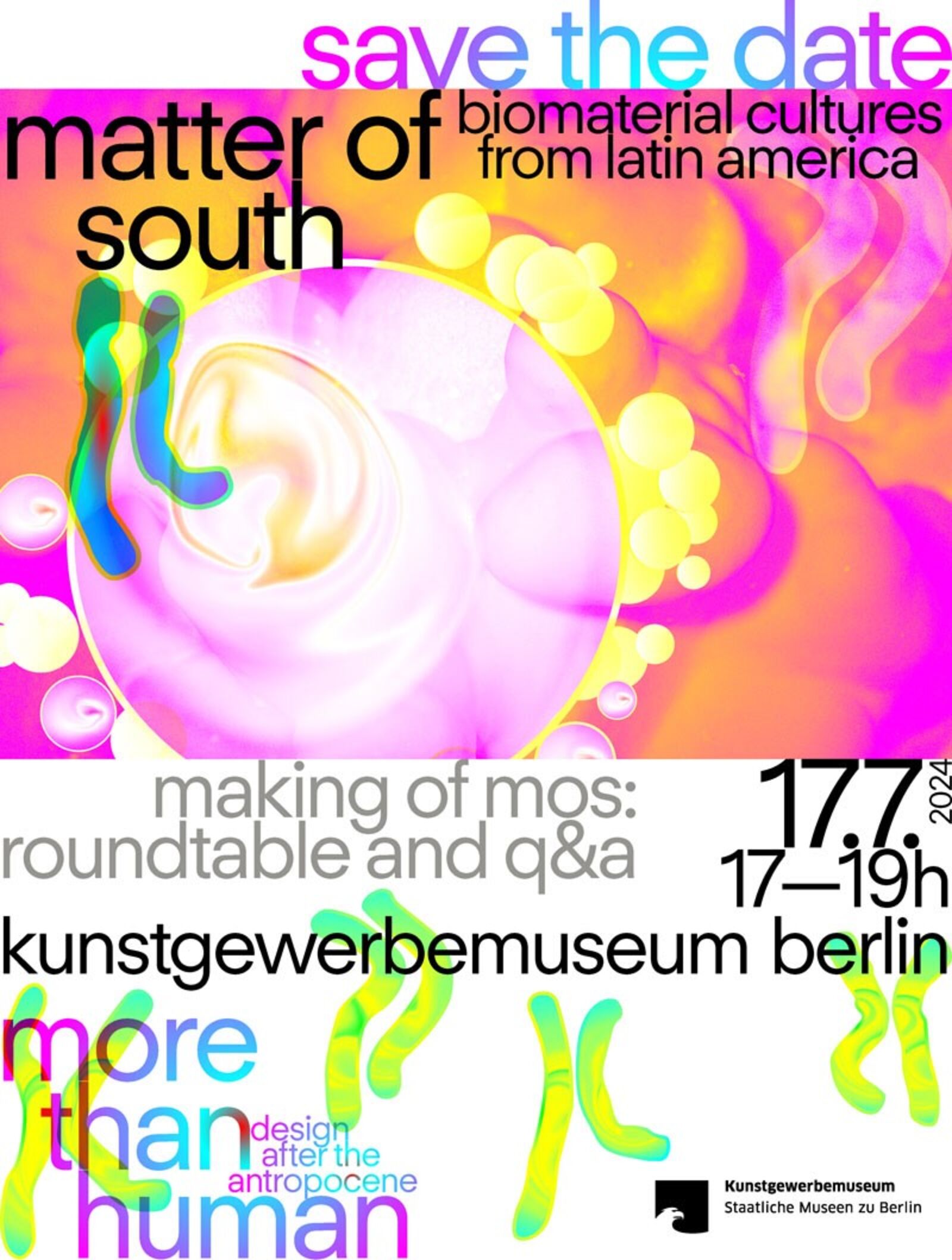
Copyright: Staatliche Museen zu Berlin, Kunstgewerbemuseum / Gestaltung: cyan Berlin
The Making of »Matter of South. Biomaterial Cultures form Latin America«
Roundtable and Q&A
Material Form Function | More-Than-Human | Biodesign | Fungi/Mycelium | Rubber | Water | Climate | Circular Economies On July 12th 2024, the exhibition and research project »Matter of South. Biomaterial Cultures from Latin America« opened its doors. Its curators Heidi Jalkh, Gisela Pozzetti and Valentina Aliaga Vargas are investigating to which extent the development of biomaterials can create new relationships between people and their environment in the future. What alternatives can there be to our extractivist practices? In this round table discussion with the three curators and further players, on July 17th, you can find out more about the background and vision of the »Matter of South« initiative.
more
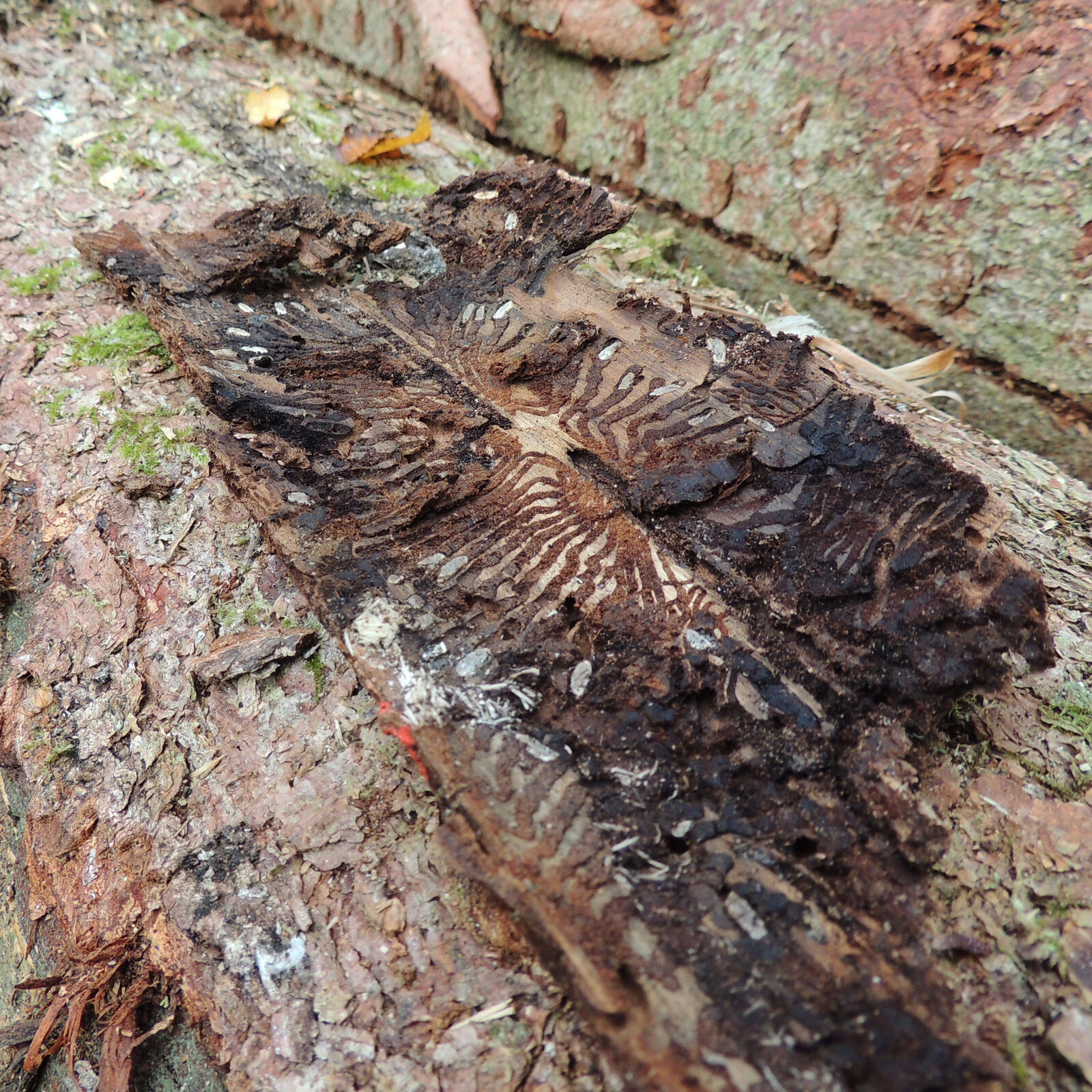
Beetle-infestation of spruce, Feldbuch, Frankonia. Image: Pelin Asa, MPI-CI, MoA
Symbiotic Futures 1.0
Interdisciplinary Workshop at Berlinische Galerie
Material Form Function | More-Than-Human | Fungi/Mycelium | Bacteria | Tree Bark | Climate Modern life is mainly built on concrete, glass and steel. Recently, however, these construction materials have been increasingly discussed due to their impact on emissions, waste production, and the climate crisis. In response to this, designers, architects, and other scholars investigate novel approaches to biomaterials, recycling options, and circular models of fabrication and construction. The aim is to form symbiotic alliances with fungi, beetle-infested trees, bacteria, or residual materials and to acknowledge the surprising potentials of these unconventional collaborators. Can elements of nature thus be understood as equal partners in construction, architecture, and the design of daily objects? We cordially invite you to this workshop on June 5th, 2024 at Berlinische Galerie, to discuss these symbiotic practices as they hint at other collaborative futures beyond resource extraction.
more
Book Cover Perraudin, L. 2024. Elementare Ekstasen. Sondierungen der Technosphäre. Series: Future Ecologies, Lüneburg: meson Press.
Elementare Ekstasen. Sondierungen der Technosphäre
Monografie von Clustermitglied Léa Perraudin Open Access veröffentlicht
Material Form Function | Climate | More-Than-Human | Air | Water | Publications Elementare Ekstasen überschwemmen, erodieren und evaporieren die wohlsortierten Grenzziehungen zwischen Technik, Umwelt und Mensch. Als Neuverortung im Spannungsfeld medienökologischer, neomaterialistischer und technikfeministischer Theoriebildung sondiert Léa Perraudin all jene Widerständigkeiten und Un/Verfügbarkeiten, die von techno-kapitalistisch protegierten Operationen nicht zu tilgen sind.
more
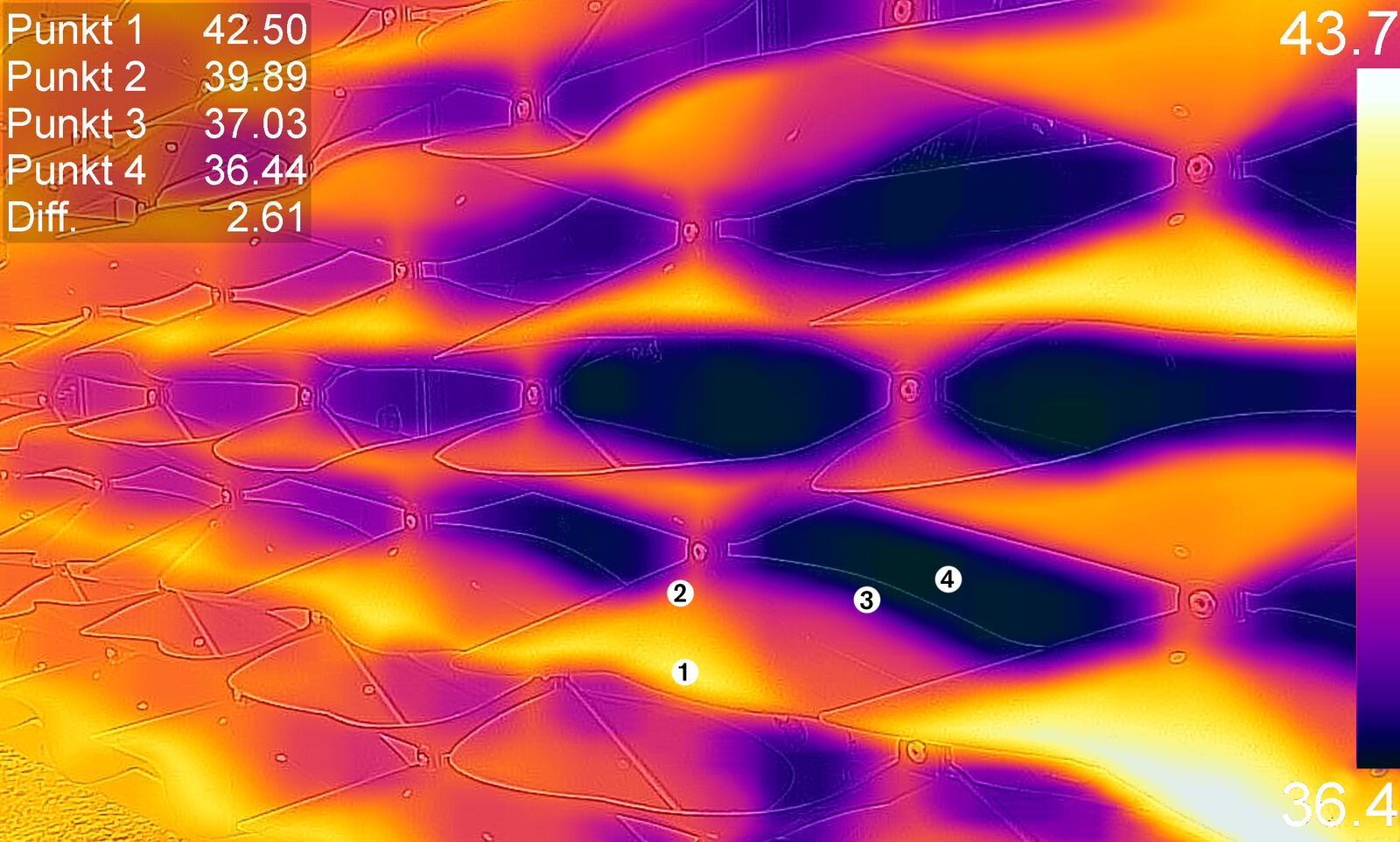
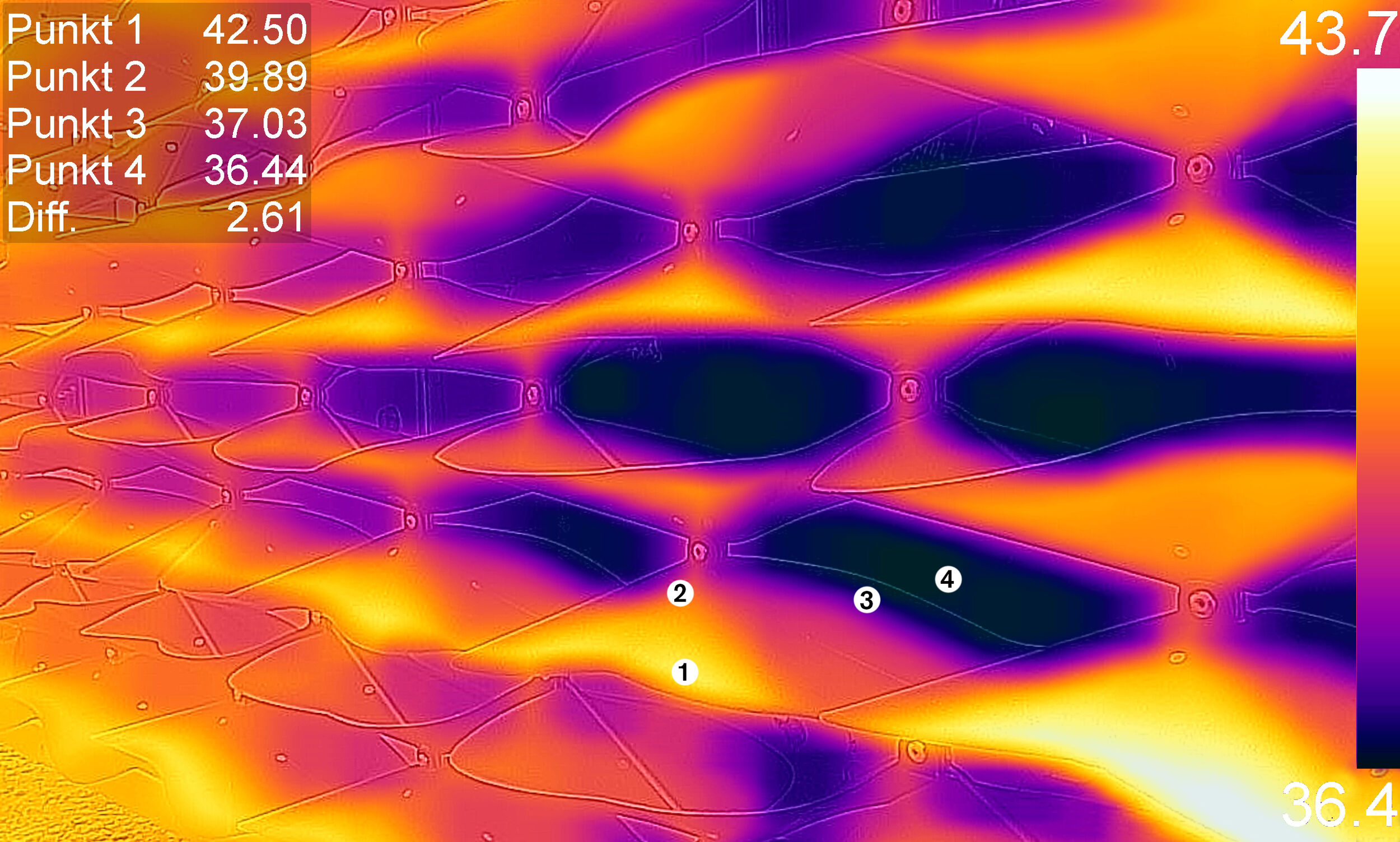
Thermography shows the effect of shading and the influence of solar radiation on surface temperatures. Copyright: Maxie Schneider
Materialzukünfte besuchen: Smartes Material für überhitzte Städte
Workshop Series at Futurium
Climate | Cellulose | Biofilm | Collactive Materials | Science Communication | Prototype / Model | Speculative Design | Yarns/Fibers Gestaltet das Futurium Lab selbst mit! In der öffentlichen Workshopreihe »OPEN LAB ABEND: Materialzukünfte besuchen« spekulierten Teilnehmende darüber, aus welchen Materialien die Welt von morgen gemacht sein könnte. Die Workshopreihe umfasste 4 Termine und fand von März bis Juni im Futurium statt. Forschende von »Matters of Activity« (MoA) gaben Einblick in ihre Arbeit. Davon ausgehend entwickelten Teinehmende Zukunftsszenarien und gestalteten Prototypen, die im Anschluss zusammen mit Objekten aus der MoA-Forschung im Lab ausgestellt wurden. Begleitet wurden Teilnehmende dabei vom spekulationserfahrenen Team von »CollActive Materials«.
It’s getting hot in here... In diesem ersten Workshop ging es darum, wie wir mit smarten Materialien die Städte der Zukunft gestalten können. Im Sommer machen steigende Temperaturen, Metall und Beton das Leben in der Innenstadt für alle Bewohnenden immer mehr zur Herausforderung. Welche Materialien schaffen Abhilfe in überhitzten Städten?
more
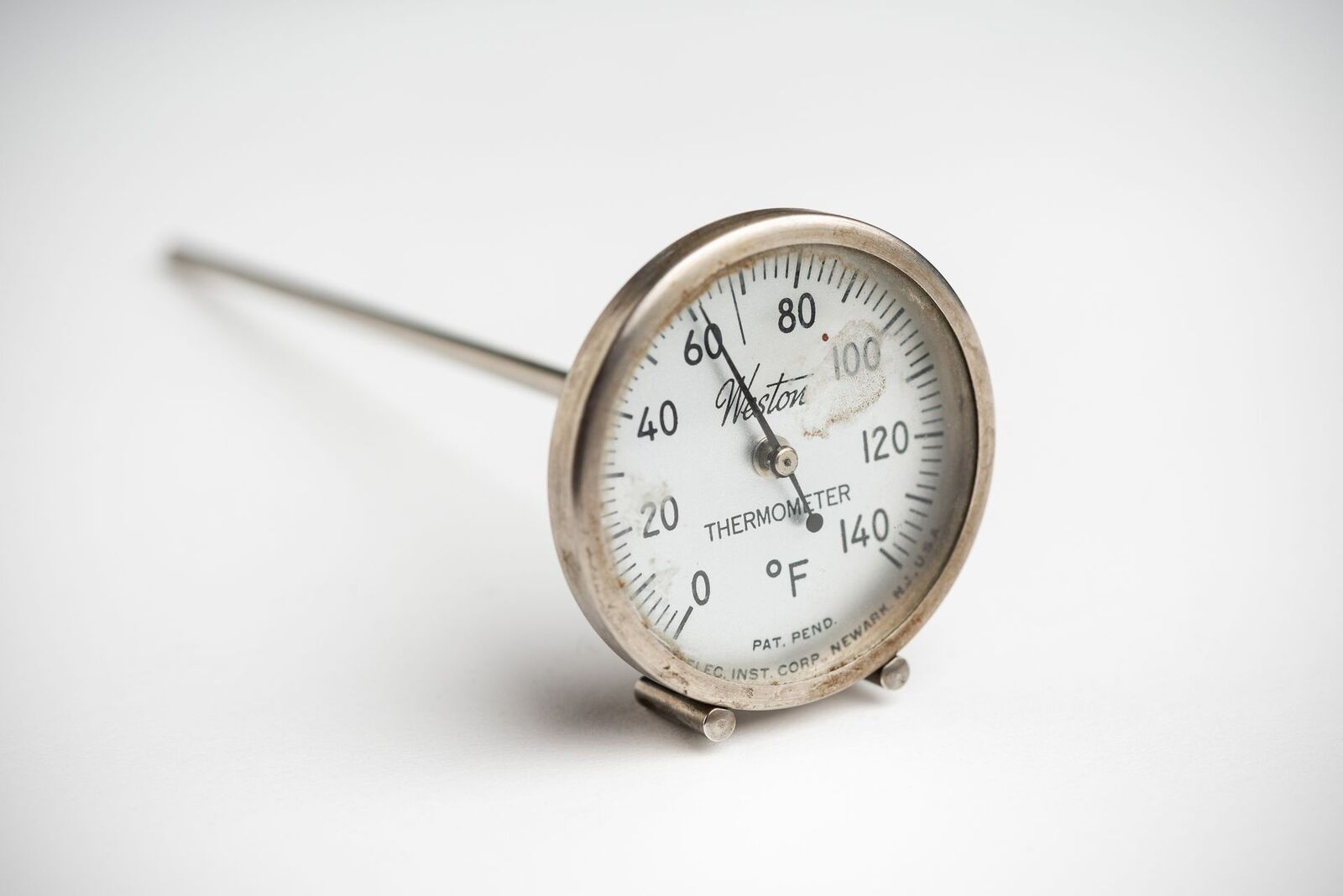
Ernest Cormier, Thermometer. ARCH252051 Ernest Cormier fonds, CCA. Copyright: Fonds Ernest Cormier, CCA
Carbon Present
Virtual Exhibition at the Canadian Centre for Architecture in Montreal
Material Form Function | Air | Climate What does climate accountability look like for architecture? In an online exhibition curated by Arièle Dionne-Krosnick at the Canadian Centre for Architecture (CCA), the participants in the »2022 Toolkit for Today: Carbon Present« seminar and the »2022 Doctoral Research Residency Program«, such as Cluster member Iva Rešetar, were invited to collaboratively re-read objects from the CCA collections in ways that highlight how carbon shapes our present built environment. »Researchers generated dynamic terms to frame how we have historically engaged with and continue to manage carbon: to regulate design expertise, to shape social and lived experience, to be comfortable, and to relate to (and profit from) built and natural environments« (CCA).
more
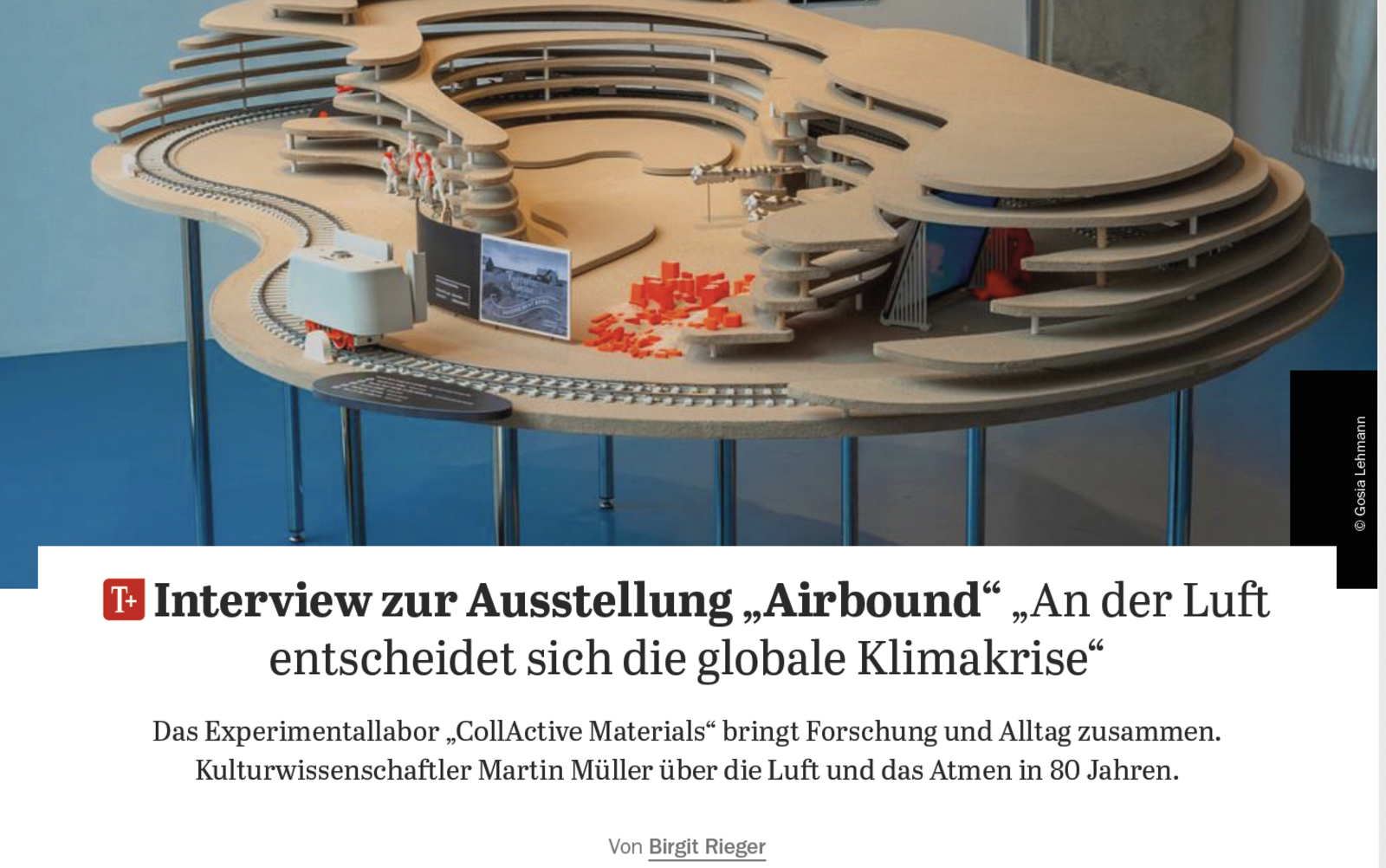
Interview mit Martin Müller, Tagesspiegel, 22. Oktober 2023. Copyright: Tagesspiegel
»An der Luft entscheidet sich die Klimakrise«
Martin Müller im Interview mit dem Tagesspiegel
Material Form Function | Air | Science Communication | Climate | Cloud | Collactive Materials Clustermitglied und CollActive Materials Co-Projektleiter Martin Müller wurde nach der Eröffnung von »Airbound« am 19. Oktober 2023 im CLB im Aufbauhaus zur Ausstellung interviewt. »Die Luft spielt eine existenzielle Rolle in der globalen Klimakrise. Die Ausstellung soll die Aufmerksamkeit darauf lenken, dass mögliche Zukünfte sich auch an der Luft entscheiden, an unserem Verständnis davon, was es bedeutet zu atmen, mit der Luft zu leben. Wir sind ›airbound‹ – luftverbunden.«. Mehr zur Ausstellung und das ganze Interview gibt es im Tagesspiegel vom 22. Oktober 2023.
more
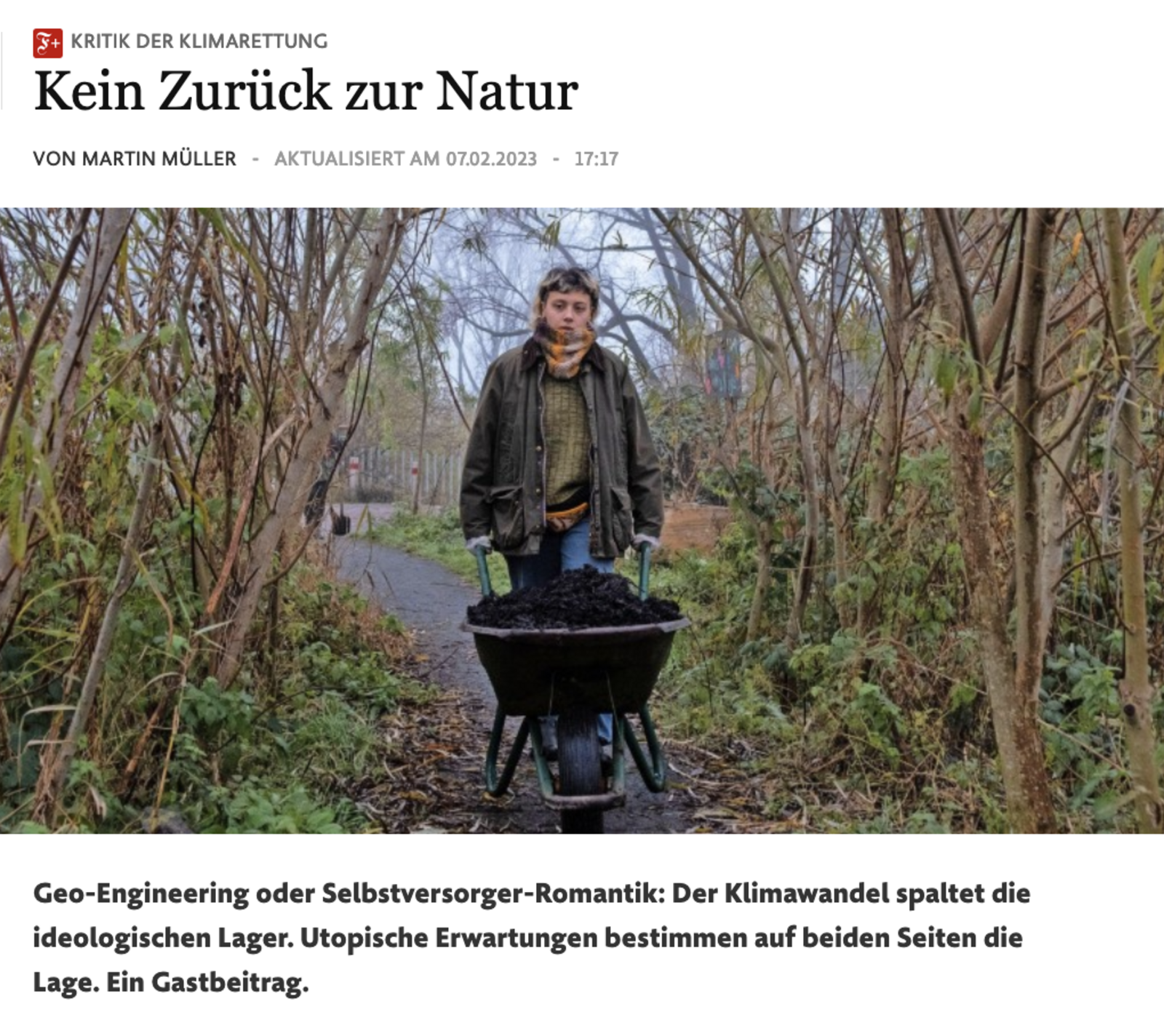
Article »Kein Zurück zu Natur«. Copyright: FAZ
»Kein Zurück zur Natur«
Cluster Member Martin Müller Writes a Critique of Geoengineering and Neoromantic Ecology in Times of Escalating Climate Crisis
Symbolic Material | Publications | Climate The year 2022 was the year of »climate extremes«, concludes the report of the European Climate Observatory. The concentration of CO2 and methane in the earth's atmosphere is the highest it has been for millennia. Mitigation measures such as emissions reduction or reforestation remain disappointingly ineffective. It seems almost impossible to keep the global temperature rise below the critical two-degree mark. The habitability of the earth is at stake.
It is time for an ideological critique of today's predominant imperatives of climate rescue: neo-romantic ecology on the one hand and geoengineering on the other. Both approaches want to return to a nature that does not exist anymore – and perhaps never did. A critical comment by Martin Müller in the FAZ.
more
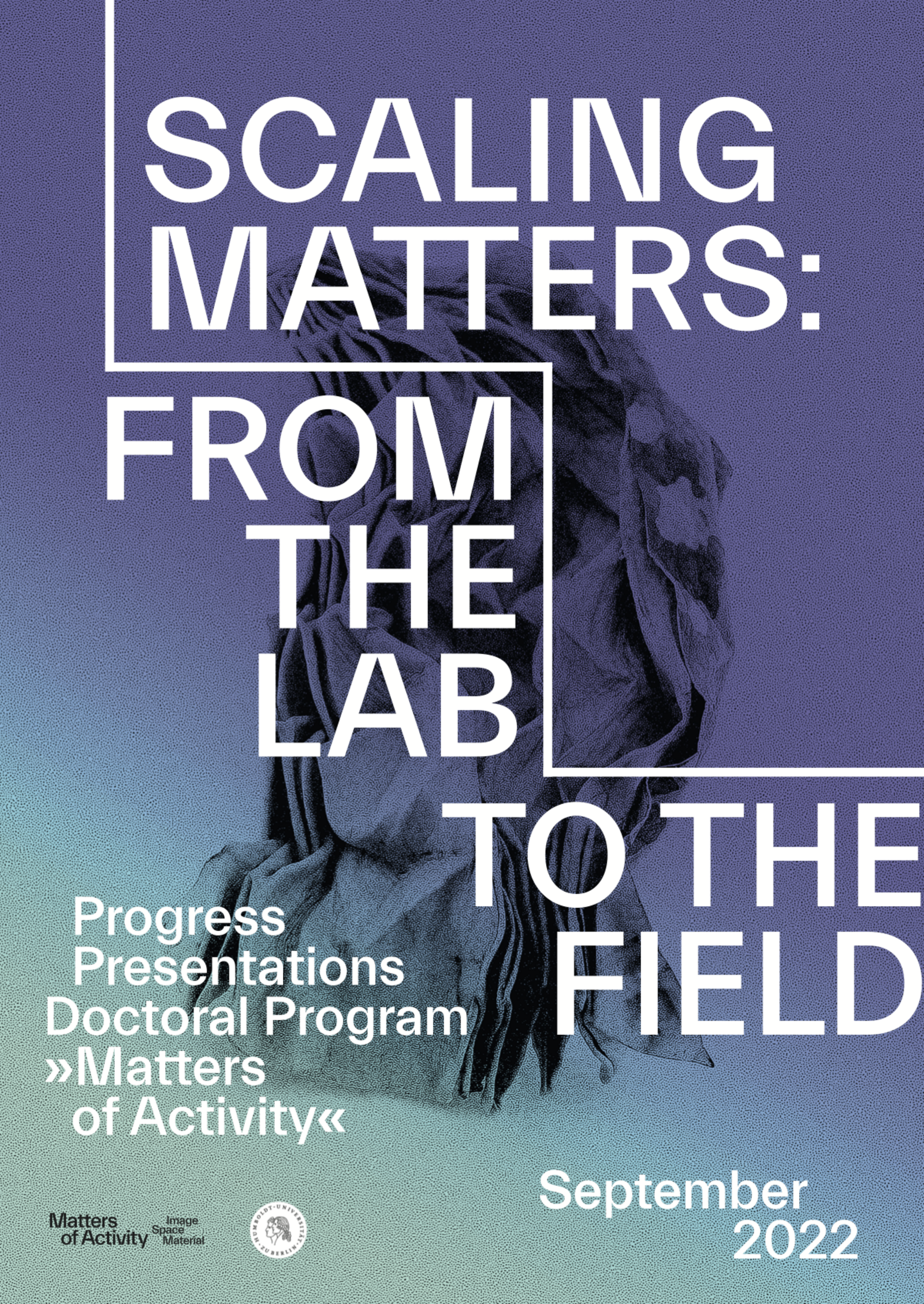
Poster PhD presentations 2022. Layout: Ada Favaron
Scaling Matters: From the Lab to the Field
Doctoral Presentations at the MoA Retreat 2022
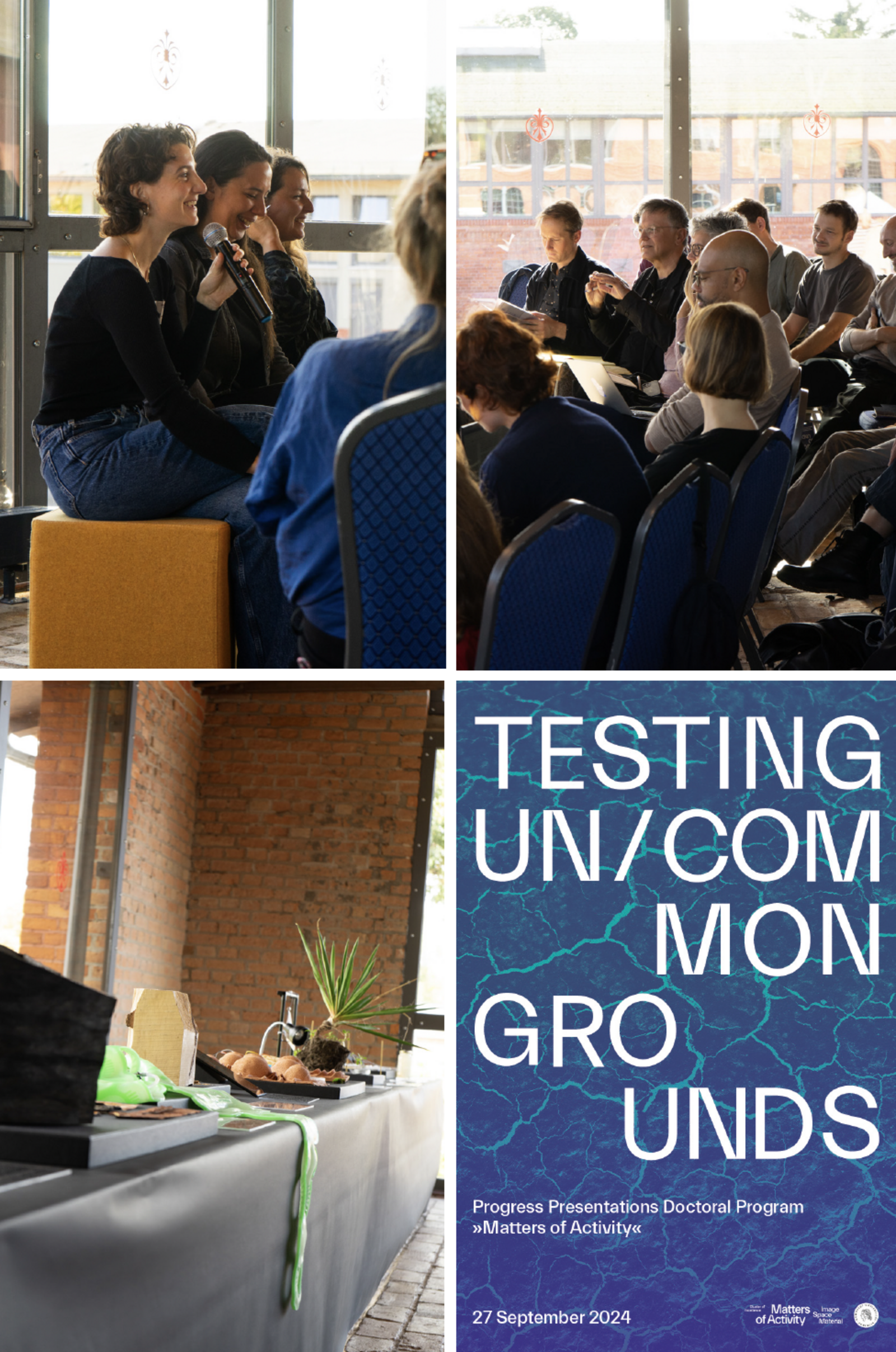
Weaving | Filtering | Cutting | Material Form Function | Object Space Agency | Doctoral Program | Climate | Haptics | More-Than-Human | Ocean | Robotics | Textiles | Tree Bark | Wild Silk | XR | Water | Science Communication The 2022 presentation of the Doctoral Program »Matters of Activity« at the MoA Retreat in September at Landgut Stober was both a review and an outlook of the doctoral research conducted at the Cluster between 2020 and 2022. Under the title »Scaling Matters: From the Lab to the Field, «Pre-Doctoral Researchers at varying stages of their research — from the very beginning to the final phase of their theses — presented their heterogeneous work whilst continuing to negotiate common themes, methods, questions and tools. The format combined talks and an exhibition and invited MoA Members to engage individually with the presentation and a selection of their research objects.
Thanks to everyone involved for making possible this all-around successful event. Enjoy some visual impressions of the exhibition, as well as the talks and have a look at the booklet.
more
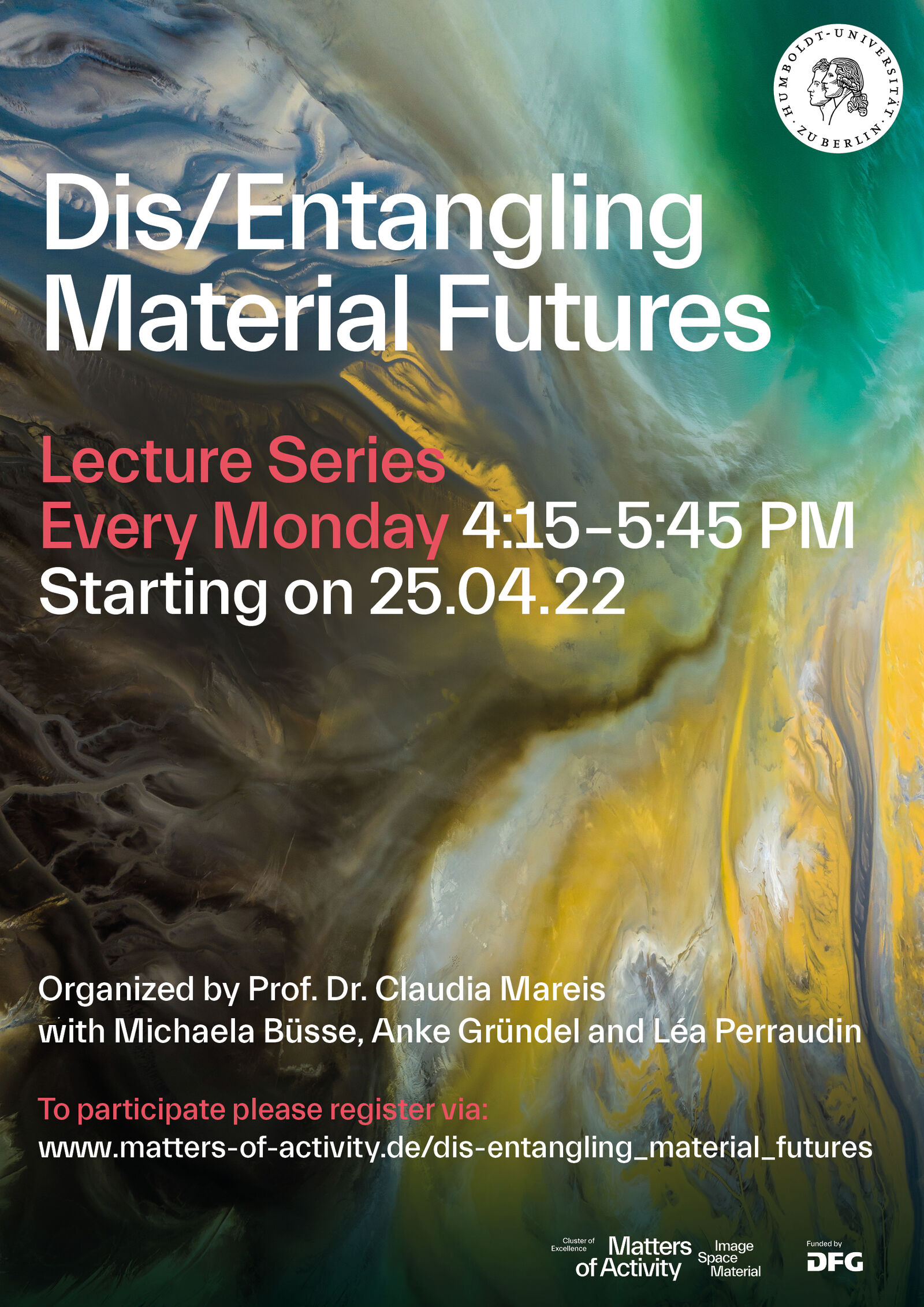
Dis/Entangling Material Futures. Copyright: Claudia Mareis
Dis/Entangling Material Futures
Lecture Series by Cluster Co-Director Claudia Mareis Continues
Material Form Function | Air | Circular Economies | Climate | More-Than-Human | Teaching | Sand The lecture series takes up the ambiguous role of materials in future-making practices along with the possible geo and bio-political precarity they may generate. Different materials from sand, water, or air to living cells and whole ecosystems are the objects and interface of a range of technologies that generate images of the future. Their probabilistic methods prepare the ideational and physical ground for large and small-scale design interventions (e.g., climate-resilient infrastructures). Register now and take part in the lecture series that continues until July 18th, every Monday 4.15 pm.
more
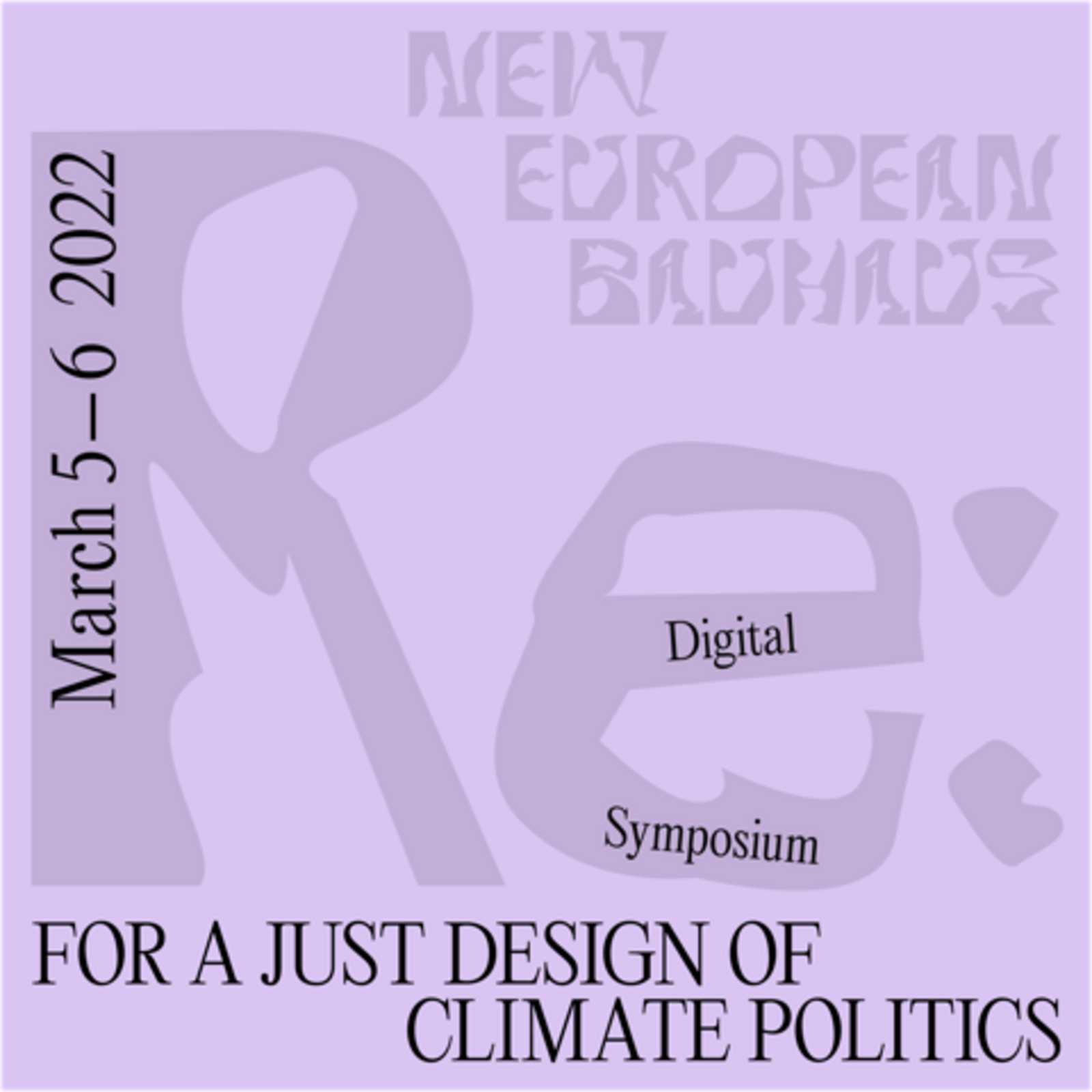
Poster New European Bauhaus Conference 2022
Un-learning Histories of Resilient Futures
MoA Co-Director Claudia Mareis Gives a Talk at the New European Bauhaus Conference
Material Form Function | Bauhaus | Climate From 5-6 March 2022, the digital conference »Re: New European Bauhaus. For A Just Design of Climate Politics« took place. It navigated critical perspectives on the European Green Deal and the New European Bauhaus. The virtual program of talks, discussions, and workshops aimed to explore institutional, artistic, and designerly strategies to utilise the creative fields’ response-ability and agency for climate justice in European politics. MoA Co-Director Claudia Mareis will gave a lecture within the Panel »Art, Architecture, Design, and the Climate Crisis: Old Bauhaus Politics« on March 5th, 3-5 pm.
more

MoA Exhibition »Stretching Materialities«. Copyright: Offshore Design
Exhibition »Stretching Materialities«
Hidden Activities in Objects and Spaces at Tieranatomisches Theater
Object Space Agency | Stretching Materialities | Air | Climate | Cloud | More-Than-Human | Sensing – Vibrations | Stone | Textiles | Willow | XR | Performance Matter is dead? Objects are lifeless? Think again! In the exhibition »Stretching Materialities« the liveliness and activity of matter could be experienced in a completely new way. From September 16th, 2021 to March 4th, 2022, the Tieranatomisches Theater in Berlin became an interactive playground: an actual cloud levitated in the middle of the room, reacting to body heat and movement, hovering around the visitors like a strange creature. Stones revealed their weathering as a dynamic process of change. Large willow structures, carefully co-crafted by humans and computers, were interwoven with the inhabitable space. Korean ›durumagi‹, a silk overcoat connecting the digital and physical realm, vibrated on the visitors’ skin as they interacted with diverse materials. Walking through the room with VR headsets on, visitors could enter a glass elevator and travel straight down into the materials presented – into the CT scan of a stone or high up into the clouds to interact with air molecules.
more
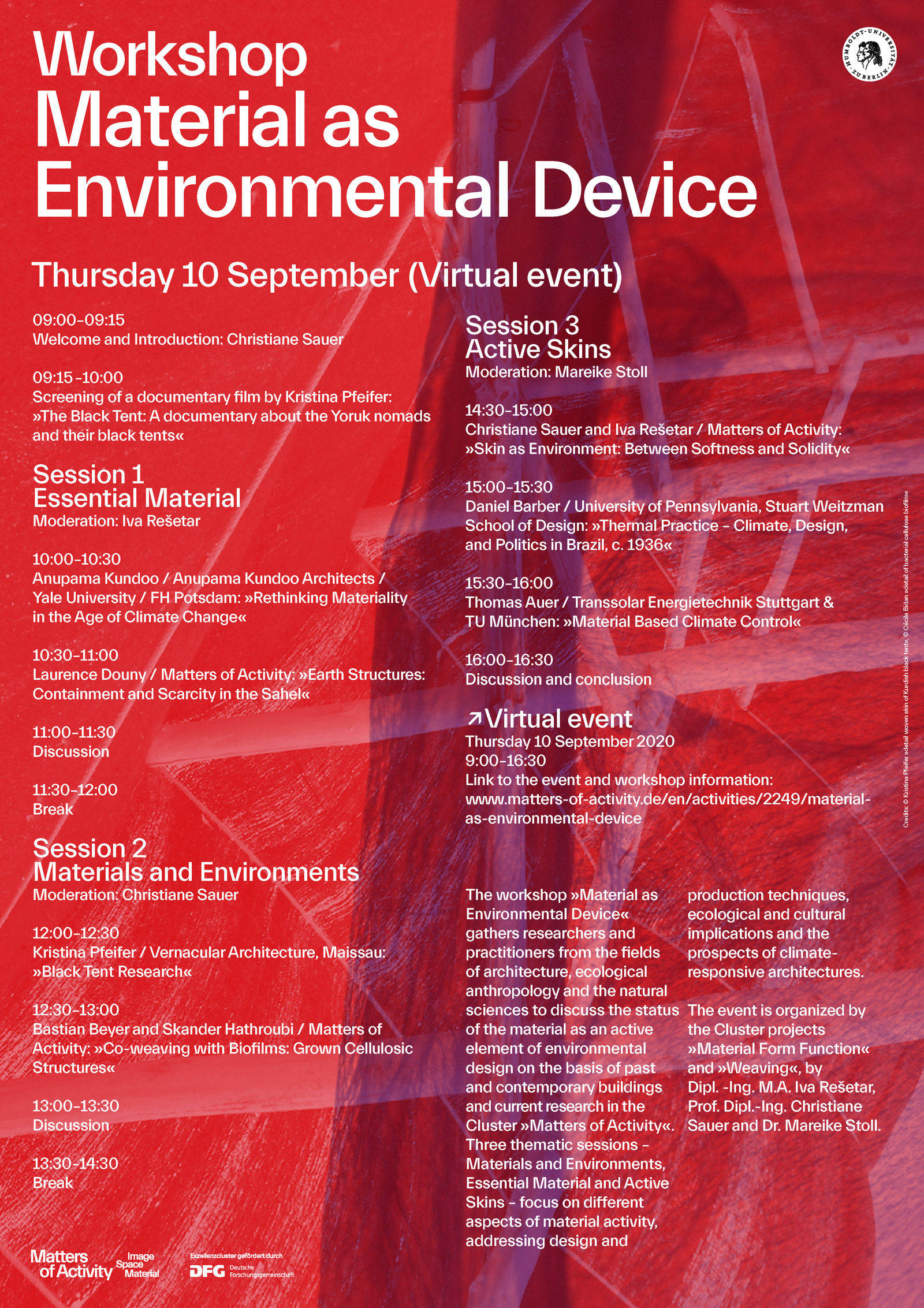
Poster Workshop »Material as Environmental Device«. Copyright: Kristina Pfeifer »detail woven skin of Kurdish black tent« & Cécile Bidan »detail of bacterial cellulose biofilm«
Material as Environmental Device
A Zoom Workshop on 10 September 2020
Weaving | Material Form Function | Bacteria | Biofilm | Cellulose | Climate | Prototype / Model | Yarns/Fibers The workshop »Material as Environmental Device« on September 10th, 2020 gathers researchers and practitioners from the fields of architecture, ecological anthropology and the natural sciences to discuss the status of the material as an active element of environmental design on the basis of past and contemporary buildings and current research in the Cluster »Matters of Activity«. Three thematic sessions – »Materials and Environments«, »Essential Material« and »Active Skins« – focus on different aspects of material activity, addressing design and production techniques, ecological and cultural implications and the prospects of climate-responsive architectures.
more
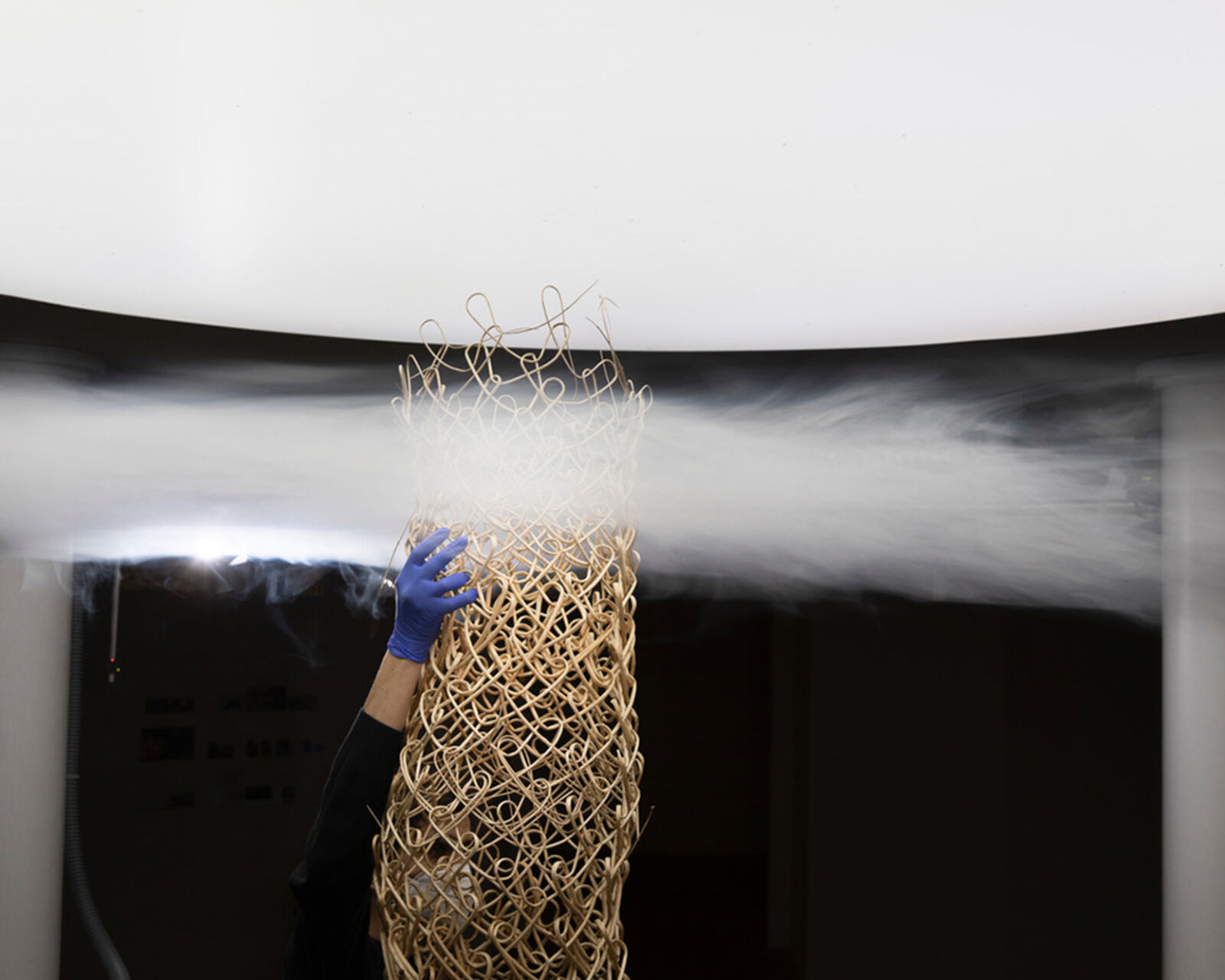
Enveloping atmospheres - experiment with structural textiles (knitted willow column). Copyright: Matters of Activity, Clemens Winkler, Natalija Miodragović. Photo Credit: Michelle Mantel
Stretching Practices
Clemens Winkler
Air | Water | Climate | Stretching Materialities | Cloud | Performance | Temporality The main interest of our research group lies in an integrative approach for the Cluster »Matters of Activity. Image Space Material« in forming walkable ways of knowing »exhibiting as a research method«. Therefore, this interest follows new forms of witnessing material activities and enacting tacit material knowledge to further co-create and co-speculate on them. Under intensive leadership within our curatorial collective including supervision of responsibilities for the exhibition process over thirteen months, our design research further set the focus on the materiality of atmospheric processes as highly immersive environing mixed media. Through the lens of this media materiality, situated practices are intended to transform our research across our curatorial collective and guide the Cluster's future exhibition projects.
more
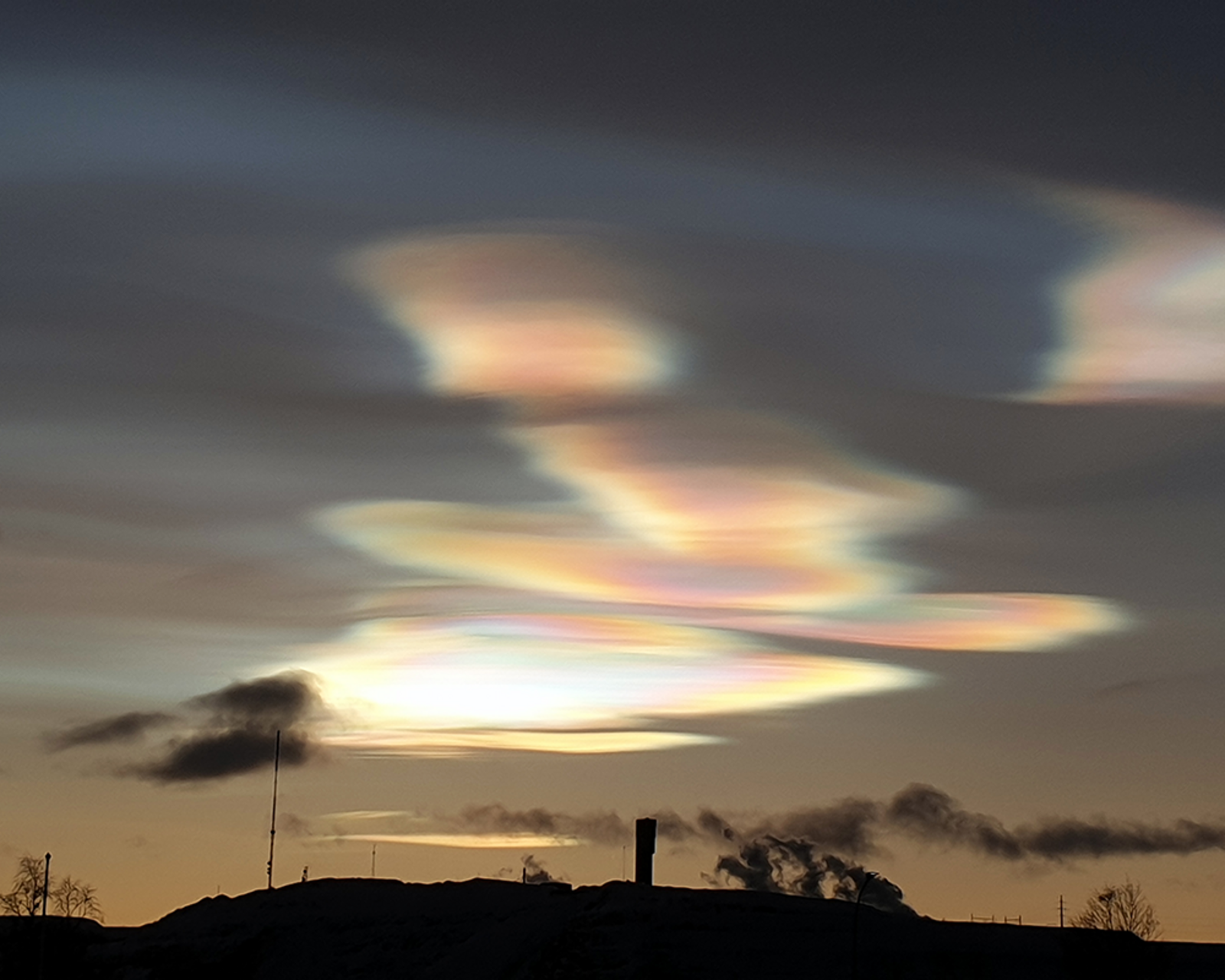
The undesigned consequences – the rise in acidic Polar stratospheric clouds (PSCs). Copyright: Natalija Miodragović
Re-thinking Human Scale
Climate | Willow | Stretching Materialities We are our environment. To comprehend this inseparability, other than human experiences are to be imagined. Creating a new habitat of active architectures is a negotiation between conservation, regeneration and innovation. If we look at the inherited city, clothing, built and woven environment, atmosphere and techno-sphere as a multi-scale homeostatic process of conservation, other ecologies are to be included to complete the conservation. For ›matter as a condensation of response-ability‹ new perspectives of processes are needed for the innovation.
more
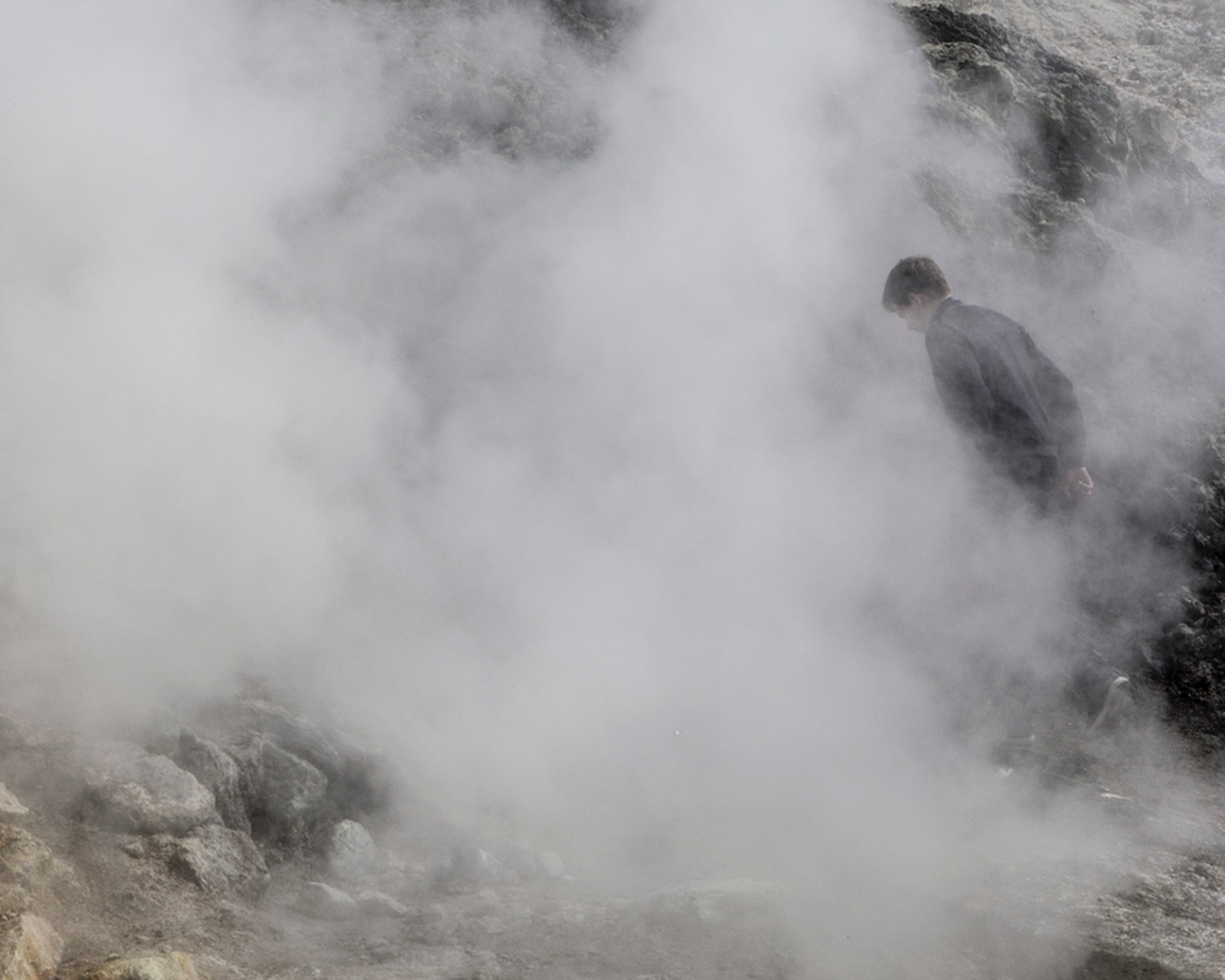
Entering Nutritious Clouds at Phlegraean Fields, 2017. Seminar »Terranautic Instruments« with Roman Kirschner. Copyright: Clemens Winkler/ Roman Kirschner
Metabolic Formations
Air | Cloud | Climate | Stretching Materialities The exhibition space can also be understood as a space for processes metabolizing substances and forms. As a blob-like organism, a relational concept of activity and space makes it necessary to experimentally experience not only human and object-related perspectives, but also their energetic and material permeations. Hereby, it is more likely to link environments known to metabolisms from a human-scale perspective, such as volcanic grounds, to the exhibition space. Metabolic formations such as sediments or traces are in constant intentional and unintentional interaction with techniques and at the same time determine the energetic and material modes of the exhibition space. How can we make these modes more tangible for critical futures acting as systems designers?
more
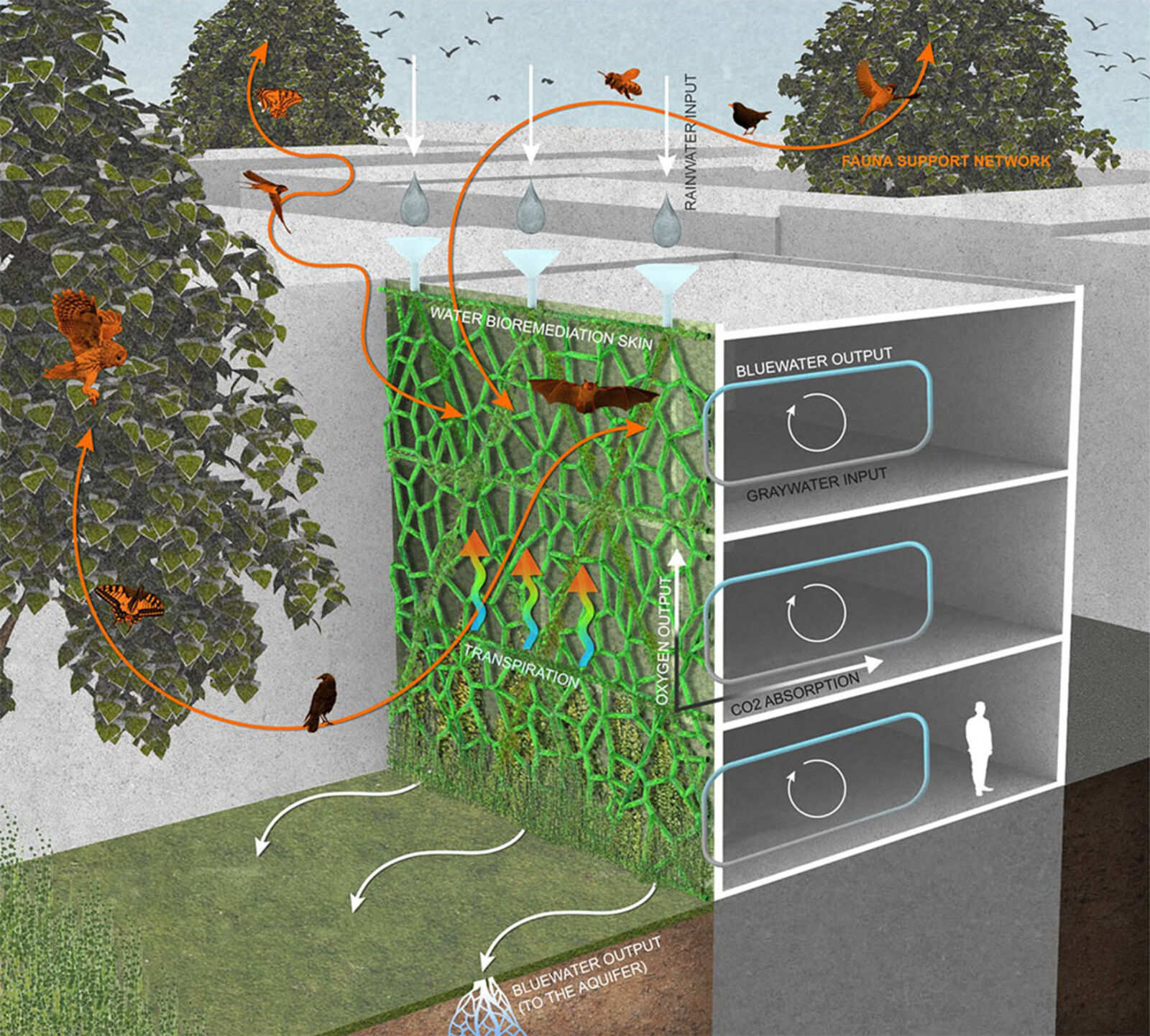
Diagram of energy and material relationships and negotiations between the inside and the outside. Copyright: Dimitra Almpani-Lekka
Water-driven Membranes. Methods of Activating the Building Envelope for More-Than-Human Commoning
PhD Project Dimitra Almpani-Lekka
Doctoral Program | Climate | Fungi/Mycelium | Water | More-Than-Human The aim of Dimitra’s research is to investigate emerging architectural design protocols of activating the building envelope with the treatment of water in order to restore and promote ecosystemic functions and local biodiversity. In this framework the building envelope is approached as a voluminous, programmatic and infrastructural space of opportunity for integrating the building into the metabolic processes of the ecosystem. The envelope is explored as a porous membrane rather than a barrier, a vehicle for mutually beneficial human and non-human symbiosis that allows for material and energy negotiations and exchanges between the outside and the inside. Therefore, the envelope is re-thought as a potential space of communing for all local species.
The actuator of the envelope is water, one of the most vital resources for the sustenance of ecosystemic activity. This approach requires the study of water related functions, properties and phenomena across different scales (macro- (urban fabric), meso- (building/device), micro-(study of microorganisms and properties of matter). With the use of dynamic design tools, the architectural design is formed by the dynamics and temporalities of water. Alliances between the fields of biotechnology, natural sciences and environmental engineering as well as humanities, landscape architecture, animal aided design and biomimetics are employed to incorporate biological growth and water treatment methods in an architectural design method that addresses the topic of co-habitation in contemporary cities, especially in the context of pressing climate related problems such as droughts, floods and the contamination of natural water resources.
Over the last years Dimitra has been working in Berlin in the field of Landscape Architecture with a focus on the creation of socially and environmentally sustainable public spaces. She joined the Cluster in 2021 and is working on the Myko.Plektonik project in parallel to her PhD, exploring fungal mycelium as a co-designer in the architectural context.
more
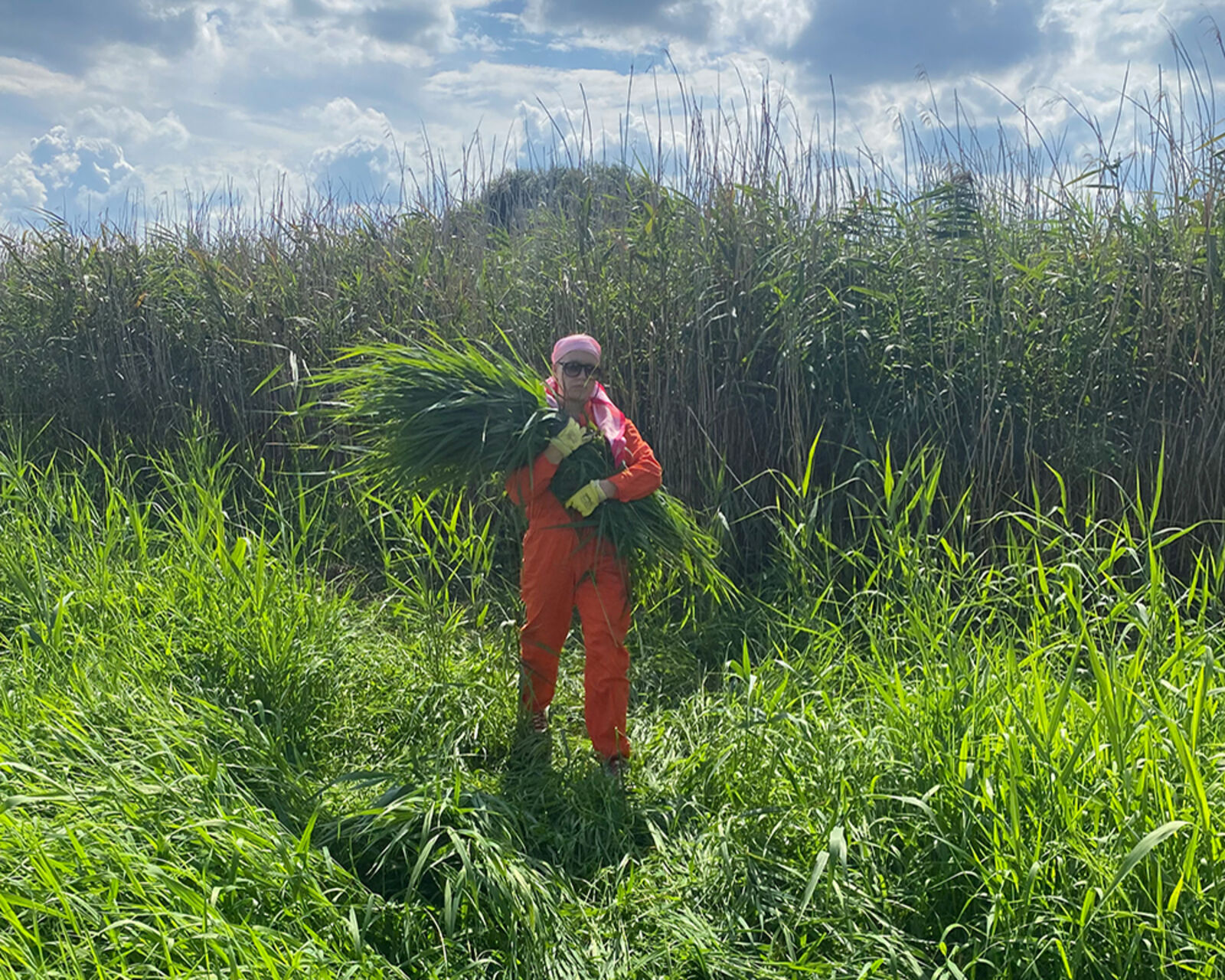
Harvesting reed in Brandenburg for mechanical testings of future design applications. Photo: Charlett Wenig
Paludicultures
Biodesign | Climate | More-Than-Human | Water How might we (re)learn ways of living well in re-wetted landscapes, develop appropriate technologies of making with local resources, and speculate on entangled emergent futures in watery worlds? A collaboration between Charlett Wenig, an interdisciplinary material researcher, and Lucy Norris, a social anthropologist working in the field of design, this project looks at the potential of peatland resources (especially reed canary grass
Phalaris arundinacea, and water sedge
Carex aquatilis) as materials in the proposed wetlands of northern and eastern Germany.
more