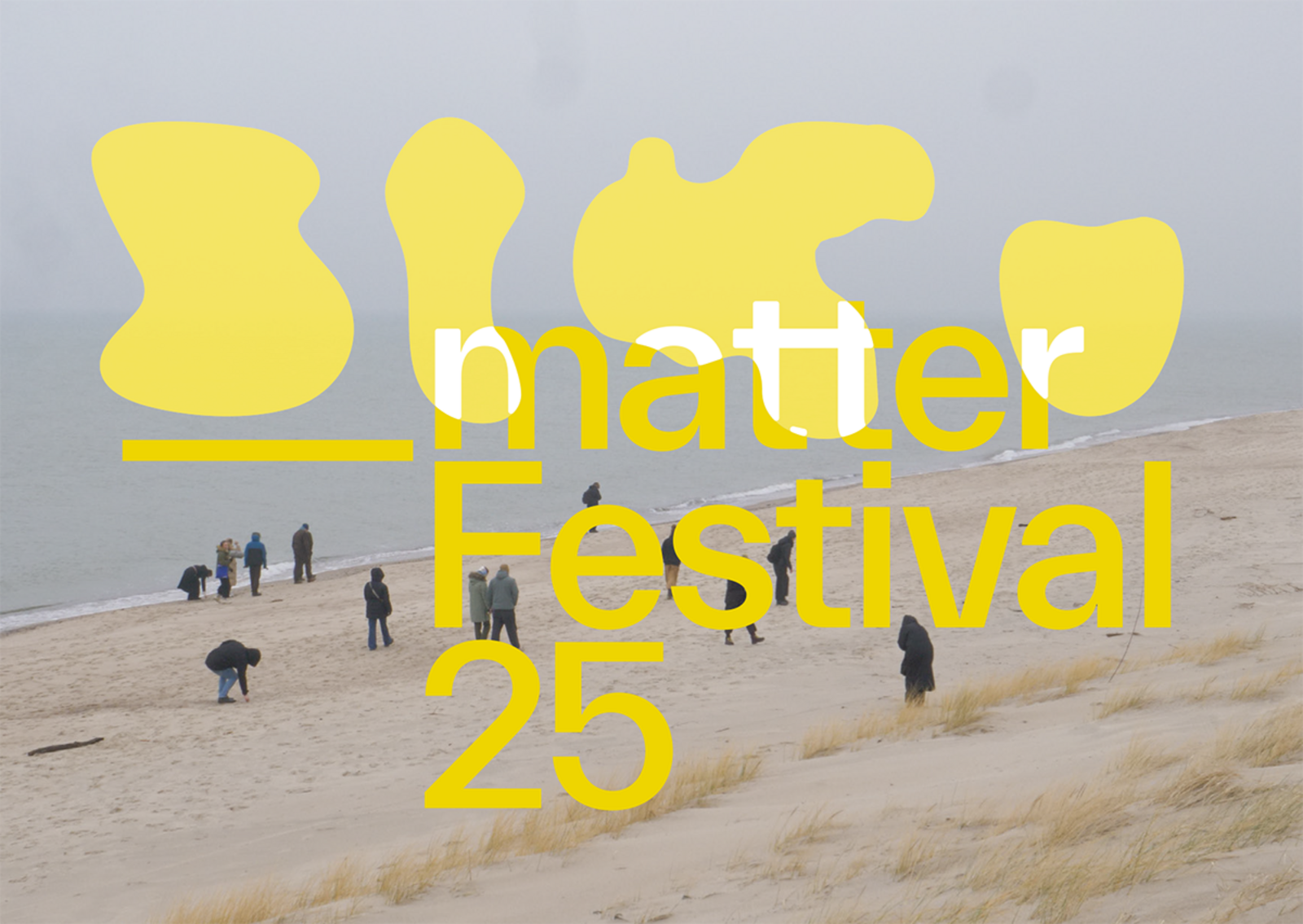
Latent Accumulations: Walking Along Paraffin Pollution at Nida Coastline. Film still: Anna Luise Schubert 2025
Latent Accumulations
Exhibition, Roundtable and Workshop
Material Form Function | _matter Festival 2025 | Temporality | Waste | More-Than-Human | Water | Wax | Toxics | Sand | Science Communication Paraffin pollution is a recurring concern in coastal environments, yet one that is inherently difficult to detect and classify. The exhibition »Latent Accumulations« at Tieranatomisches Theater Berlin traces the elusive activity of this material. It gives insights into site-specific research processes that connect material investigations with local experiences and memories of shifting landscapes.
more
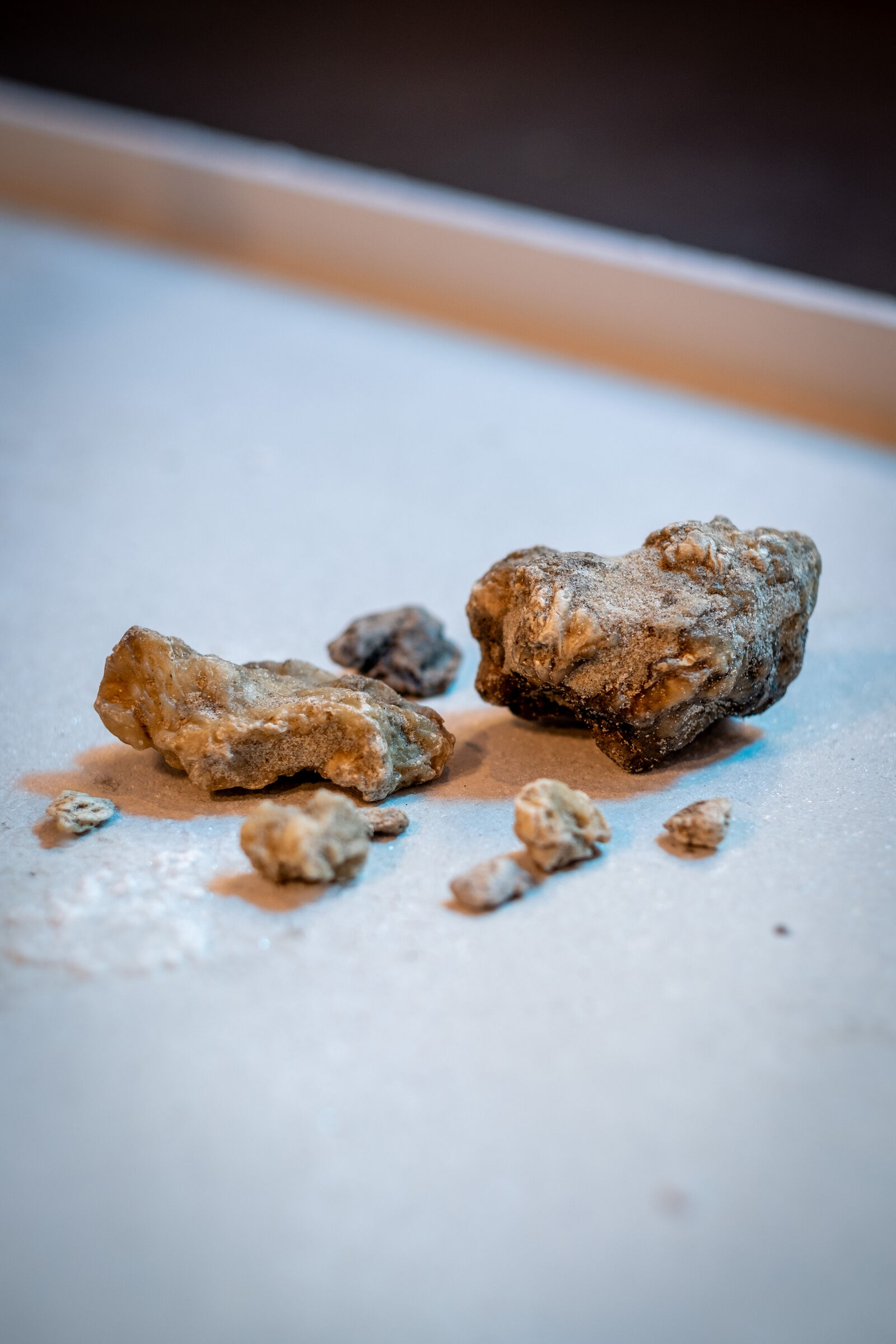
Pieces of Paraffin collected at the Curonian Spit in Lithuania, 2025. Copyright: HU Berlin/Stefan Klenke
Material that Slips Through your Fingers
Article on Léa Perraudin's and Iva Rešetar's »Latent Accumulations« Project
Material Form Function | Toxics | Waste | Wax | Temporality | More-Than-Human | Sand | Water The project »Latent Accumulations« examines paraffin, an elusive material, from its accumulations on the Baltic coast of the Curonian Spit in Lithuania to its pressing environmental and geopolitical concerns. This article presents the project by Léa Perraudin and Iva Rešetar in detail.
more
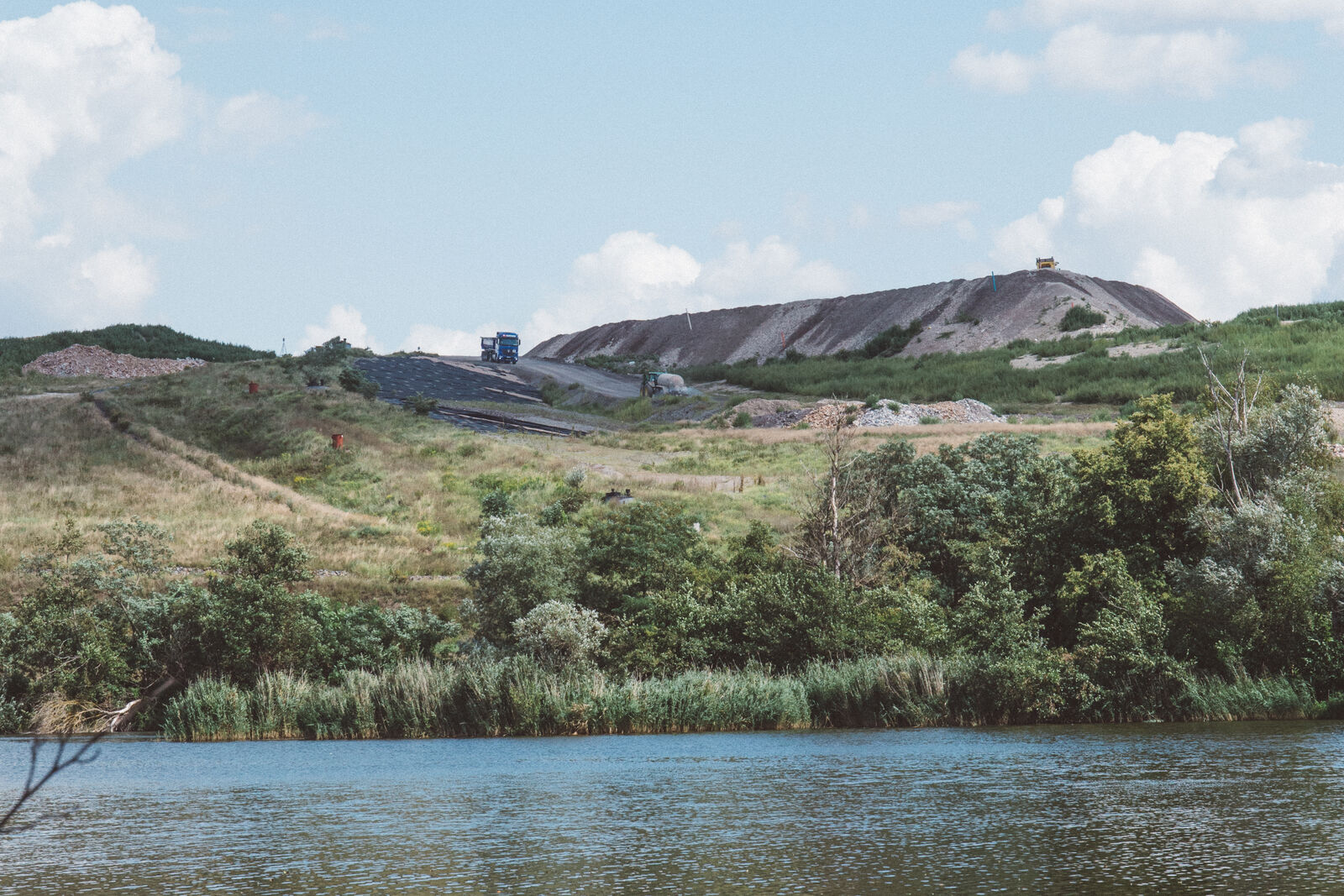
Vorketzin, 2019. Photo: Jonas Stuck
Exploring Infrastructures of Waste
Don't Forget to Sign up for Bike Tour Through Berlin’s Hinterland!
Filtering | Waste | Toxics | Temporality Alwin Cubasch, Christian Kassung and Heike Weber from the Filtering project cordially invite you to a bicycle tour of contaminated sites in the Berlin area, organized and conducted by Jonas Stuck from the Rachel Carson Center in Munich and based on his research results. This bike tour on 22 September 204 explores three significant landfills used to dispose of Western waste in East Germany during the period of Germany’s division. We dive into the beginnings of the trade of waste between West and East Germany and its geo- and socio-political, environmental, and economic implications. We discuss different types of waste disposed of and their impact on the surrounding ecologies. Examples of historical records and waste management strategies will be shown alongside the contemporary efforts of managing these legacies.
more
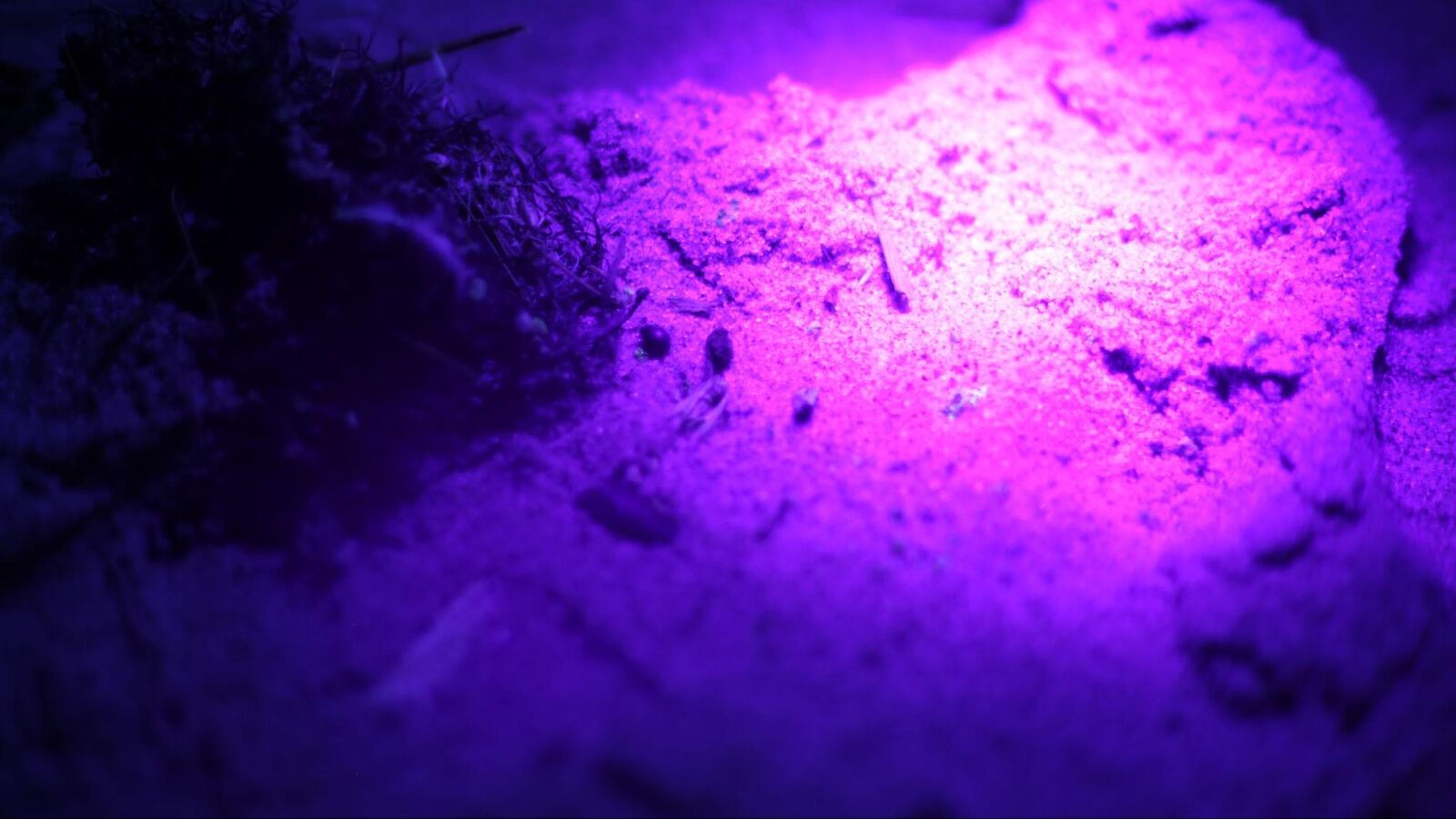
Tracing paraffin accumulations. Fieldwork on the coastline of the Curonian Spit in the Neringa Nature Reserve, Léa Perraudin and Iva Rešetar. 2024. Copyright: Iva Rešetar
Latent Accumulations. Coastal Phase Change, Paraffin Pollution and Maintenance
Fieldwork of Léa Perraudin and Iva Rešetar on the Coastline of the Curonian Spit in the Neringa Nature Reserve
Material Form Function | More-Than-Human | Sand | Temporality | Water | Waste | Wax In their ongoing fieldwork in Nida, Lithuania, Iva Rešetar and Léa Perraudin are concerned with the scales and phases of paraffin (re-)distribution in this seemingly pristine natural environment. Latent Accumulations focuses on the ecopolitics of paraffin pollution, engaging the material as unsettled in its movement and energy exchange. They argue that it is precisely the process of phase transition that gives rise to this uncertain ontological status – between solid and liquid, slow and sudden, and between events of pollution, their materialization and maintenance.
more
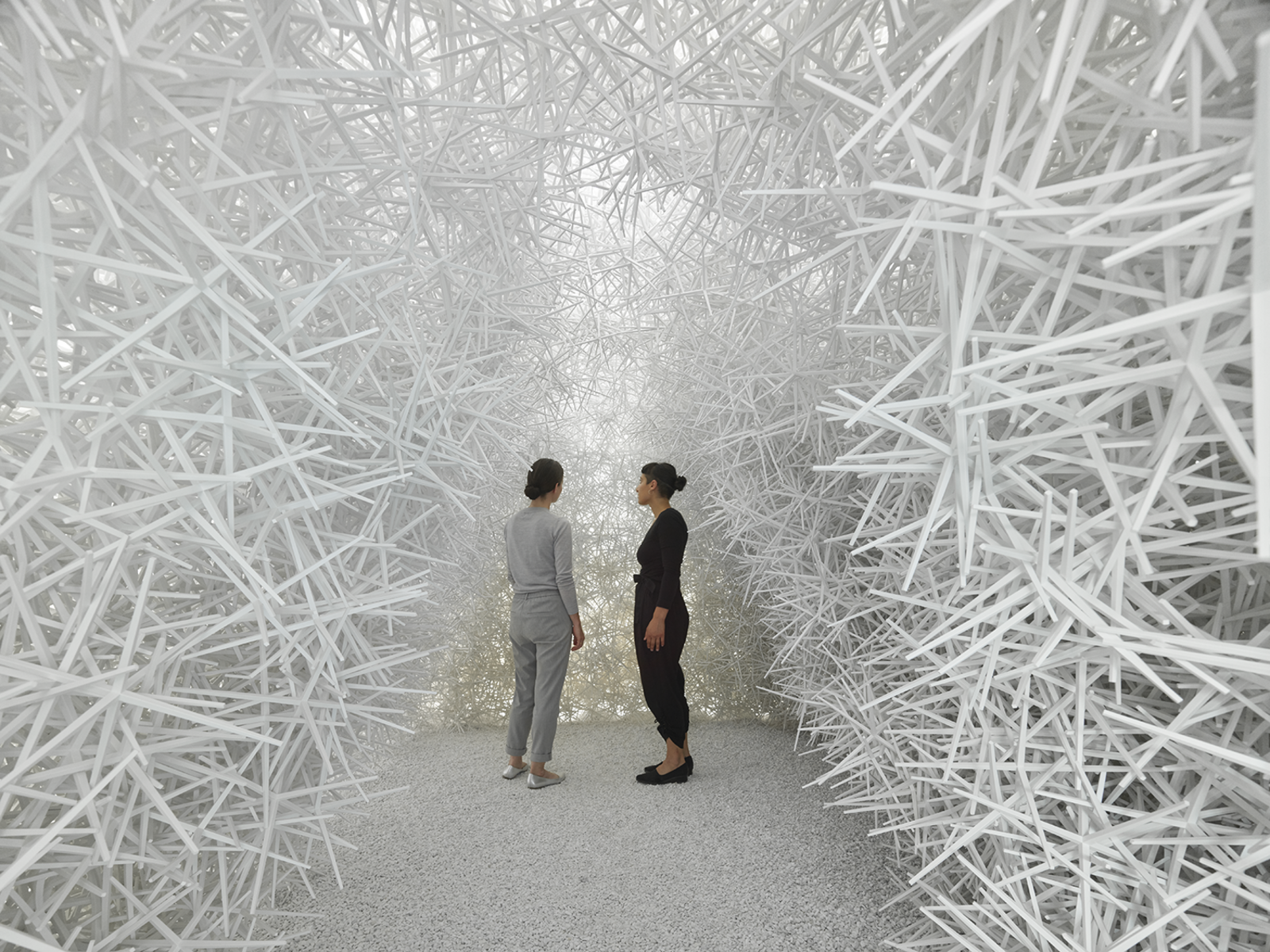
Syntopia 0 – Anthropos I Human. Copyright: Roland Halbe
Syntopia 0 — Anthropos I Human
Karola Dierichs' Project Contributes to Exhibition and Symposium »Being Plastic/Becoming Plastic« at the University of Virginia
Material Form Function | Weaving | Object Space Agency | Waste | Temporality | Prototype / Model In March 2024, Karola Dierichs exhibited the project »Syntopia 0—Anthropos I Human« as part of the exhibition and symposium »Being Plastic/ Becoming Plastic« at the University of Virginia, US, under the direction of Ehsan Baharlou. Initially conducted under the title »ICD Aggregate Pavilion 2018«
, the project explores the construction of spatial enclosures made from designed granular materials. Yet one might now call this project »Syntopia 0—Anthropos I Human«
in the present discourse on human-made plastic residue. This considers the research not only as an example of materials design and construction robotics but also as a monument of anthropogenic mass superseding living biomass around 2020, given it was made of injection-molding plastic waste from the local Stuttgart car industry.
more
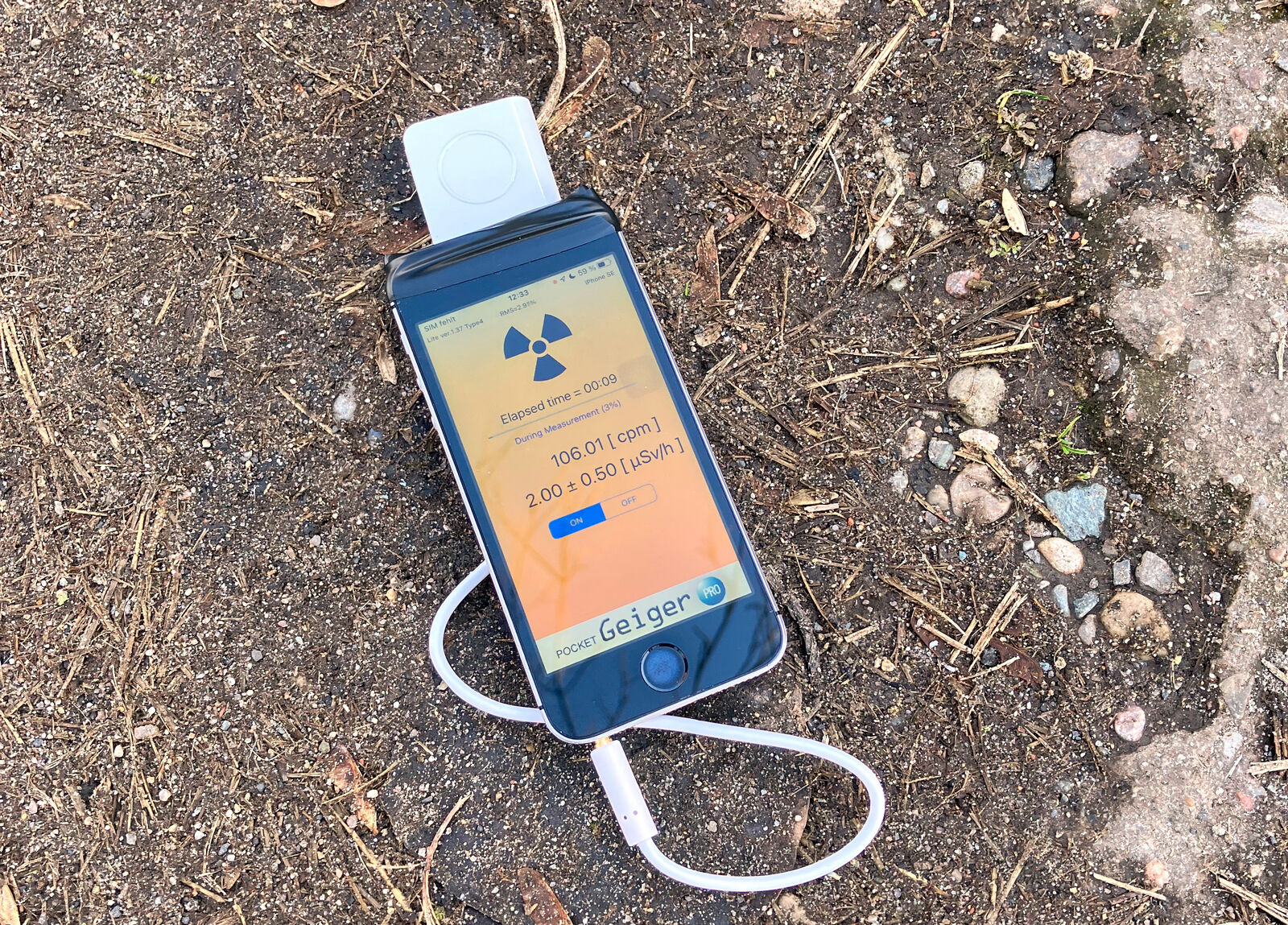
Intro, Excursion Filtering Oranienburg, 2023. Foto: Sybille Neumeyer.
Tracing Tainted Environments: Legacies of Oranienburg
Online Documentation of Interdisciplinary Cluster Workshop Available Now
Filtering | Toxics | Waste | Temporality In March 2023, an interdisciplinary team from design, computer science, art, and cultural studies examined various concepts of dealing with radioactive waste and the historical environmental impact of the industrial site of Oranienburg. While exploring the history of radioactive legacies in Oranienburg, we were confronted with different types of information: traces of the former industrial sites and bombings, symbols, maps, or signs of cleaning and securing as well as memorials as part of today's culture of remembrance. Oranienburg, with its multi-layered historical legacies, but also the land activations that have taken place, thus offered a concrete environment for the workshop questions as a field of research and experimentation. The group now published detailed documentation of the workshop.
more
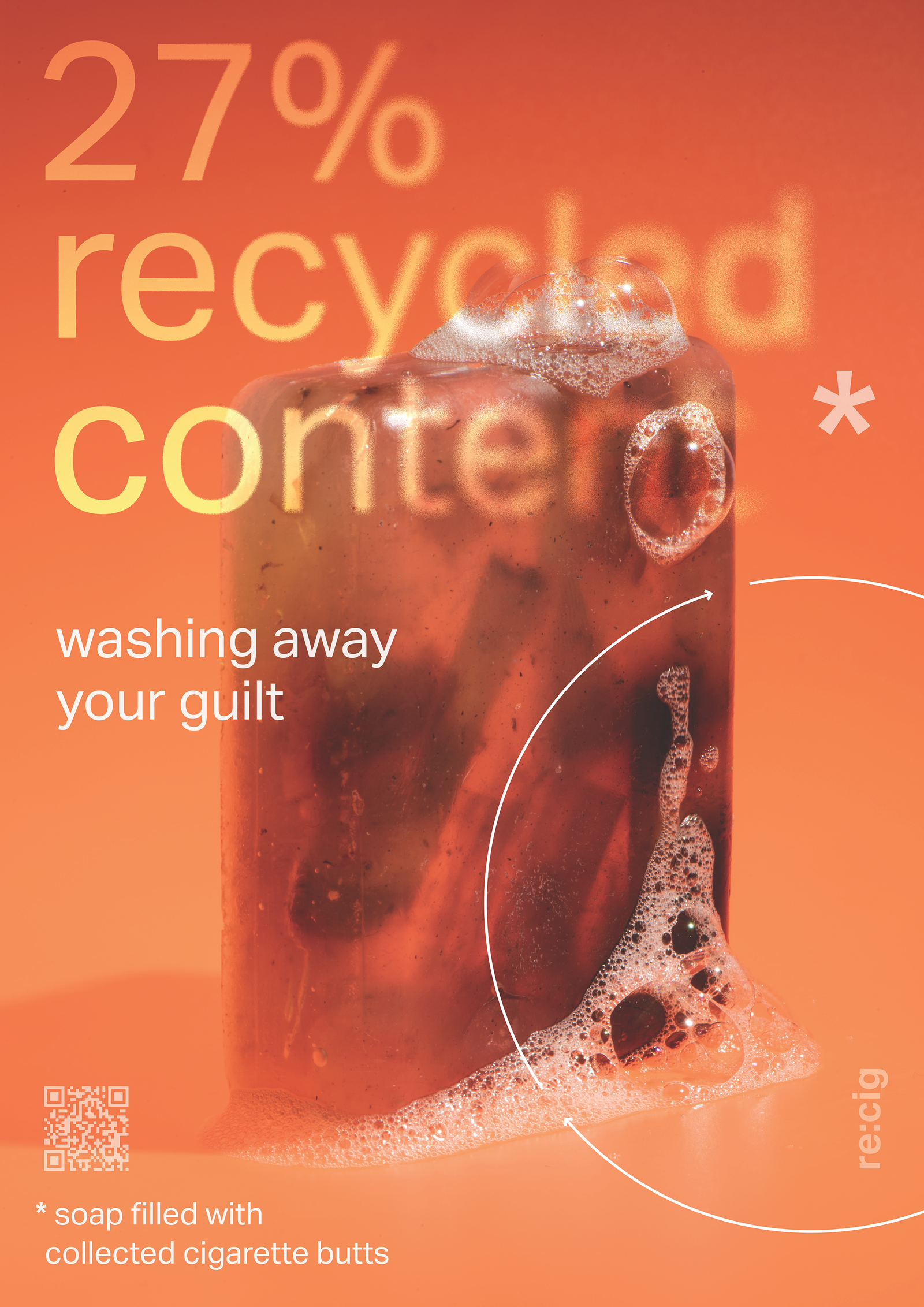
Toxic Legacies. Copyright: Leila Wallisser
Toxic Legacies
Leila Wallisser Awarded With German Design Graduates' 1st Prize
Material Form Function | Waste | Toxics | Achievements Leila Wallisser has been awarded the First Prize of the German Design Graduate (GDG) Committee 2023 in the category »Sustainability and Circularity« for her Master’s Thesis »Toxic Legacies« conducted at weißensee school of art and design berlin, supervised by »Matters of Activity« members Prof. Dr.-Ing. Karola Dierichs and Prof. Dr. Lucy Norris. »Toxic Legacies« is an innovative design project that delves into the world of recycling, shedding light on how the concept of recycling can tend to justify the production of waste in a consumer-based system.
more
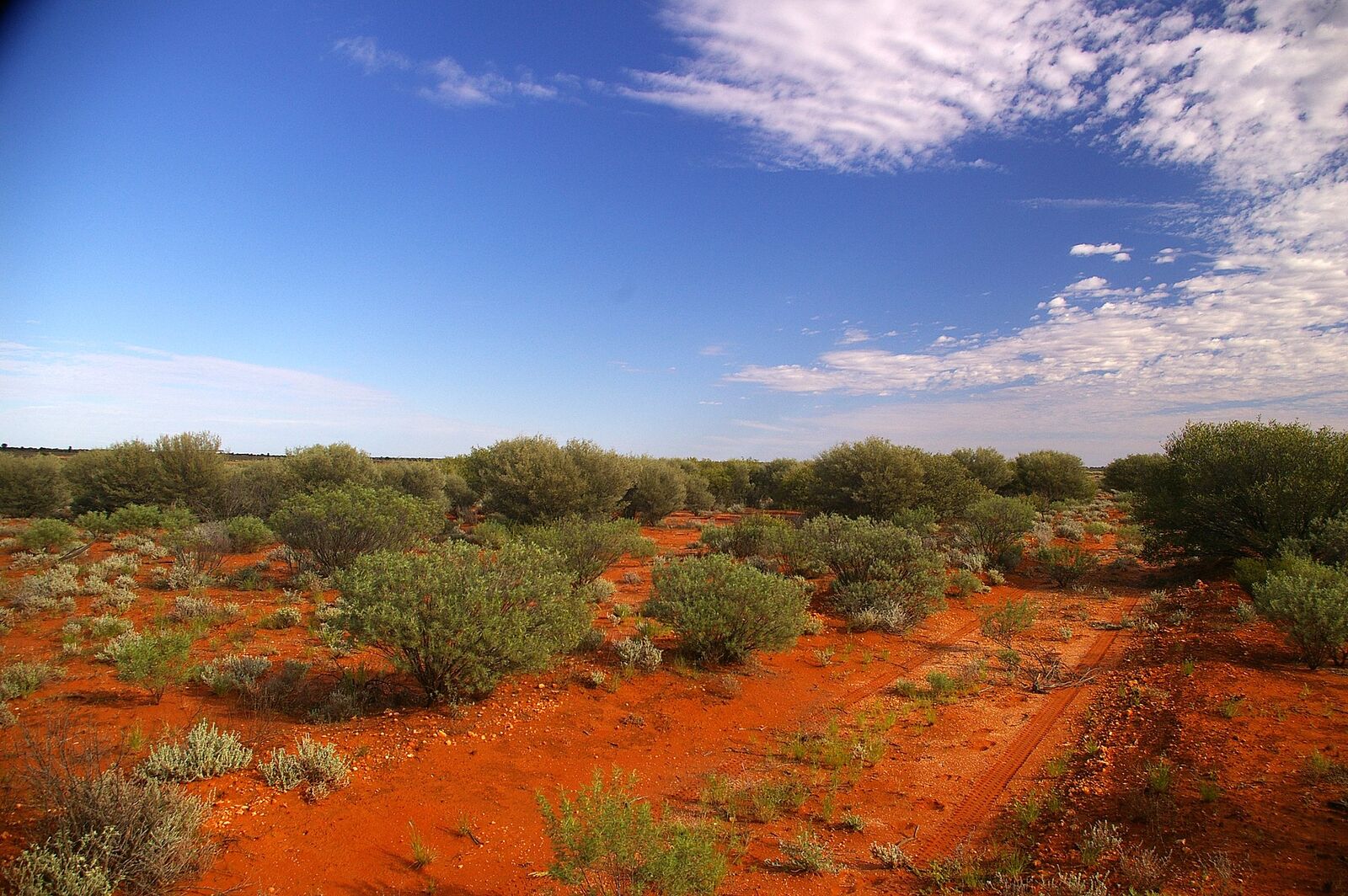
Landscape at Maralinga site (South Australia). Copyright: Wayne England, CC BY 2.0 <https://creativecommons.org/licenses/by/2.0>, via Wikimedia Commons
Damaged Landscapes and Complex Embodiment
Robert Stock Gave a Lecture on 30 August at the Annual Conference of the Royal Geographical Society
Filtering | Material Form Function | Waste | Toxics On August 30th, 2023, Cluster Professor Robert Stock gave a talk about Australia's nuclear contamination from a critical disability studies' perspective. In his contribution at the Annual International Conference of the Royal Geographic Society, Robert focused on Yami Lester, a blind aboriginal activist engaged in social change and political intervention in the settler society of Australia. The RGS-IBG Annual International Conference was taking place in London at the Society and Imperial College London, and online from Wednesday 30 August to Friday 1 September 2023.
more

»The Bark Project«, Charlett Wenig. Copyright: Patrick Walter, MPIKG
Wastework
Charlett Wenig Speaks at Interdisciplinary Conference
Material Form Function | Weaving | Waste | Tree Bark Wastework is an international, interdisciplinary 3-day conference on the materiality, spatiality, and processing of waste in the early modern workshop. It proposes to examine acts of disposal, displacement, removal, and abeyance – in short, the getting rid of unwanted things – and the consequences these carry for the study of early modern material culture. Cluster researcher Charlett Wenig is on the panel »Paradoxes of Matter«, on March 17th at 2:00 pm.
more
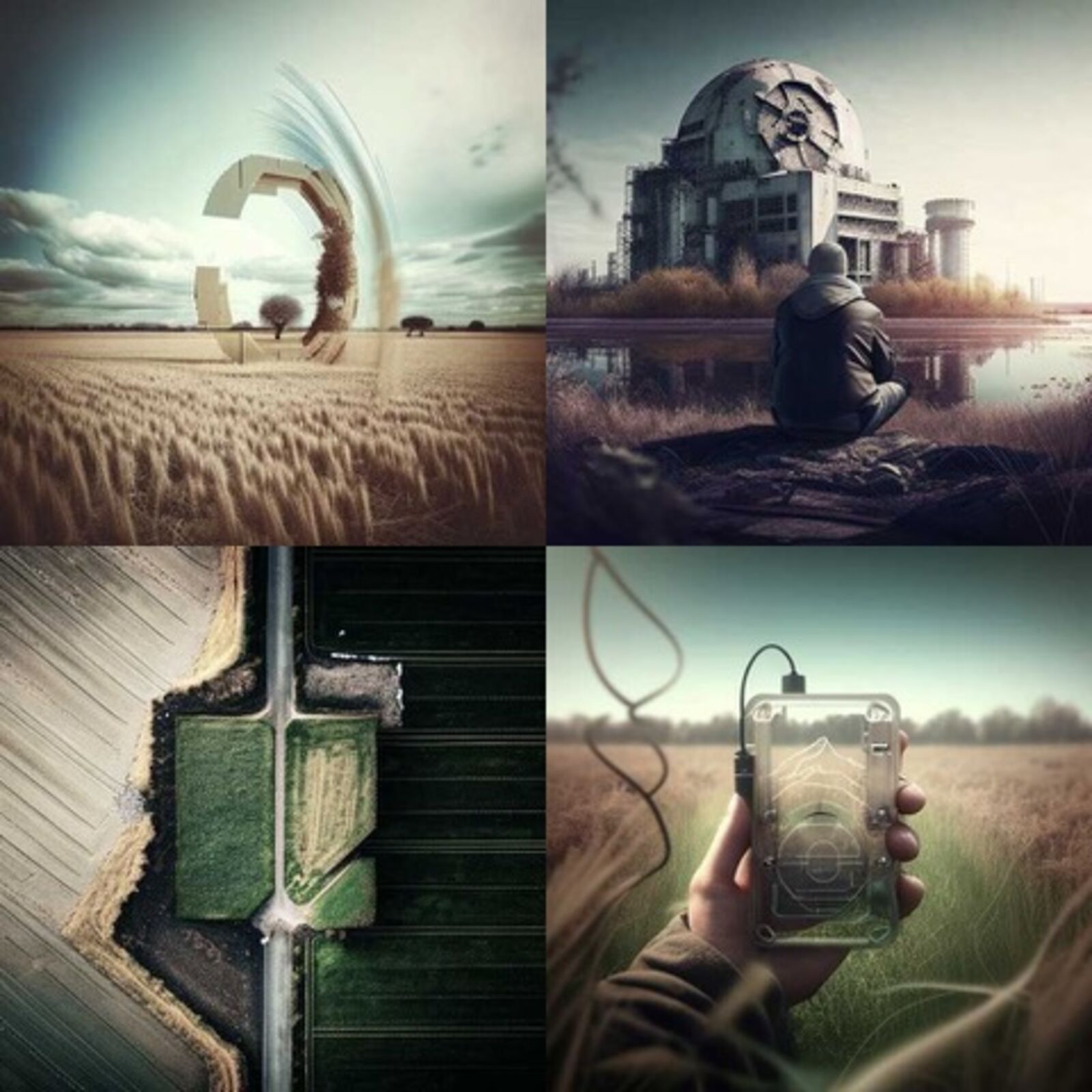
Visual »Tracing Tainted Environments«, 2023. Copyright: Thomas Ness
Tracing Tainted Environments: Legacies of Oranienburg
Workshop about Information Physicalization of Nuclear Cultural Heritage
Filtering | Waste | Toxics The three-day-workshop »Tracing tainted environments: Legacies of Oranienburg« from March 14th-16th, 2023, explores different approaches to the historical legacies of the industrial site of Oranienburg in the north of Berlin. In different settings we are questioning adequate tools by joining various disciplinary perspectives on dealing with data and environmental pollution: human-computer interaction, design, history, and cultural and political studies. The industrial site of Oranienburg with its multi-layered historical legacies will be taken as a field of research and experimentation, thus providing a concrete setting for the workshop questions. In experimental series, talks and excursions, the three-day workshop explores the different dimensions of information in the context of non-tangible traces and summarizes them in design concepts.
more

Poster »Filtering Legacies«. Copyright: Sandia National Laboratories, Michel Brill, 1993 & NODE Berlin
Filtering Legacies – Filtering Wasted Environments
Workshop on 11–12 November
Filtering | Waste Filtering Technologies are at the center of many current processes of our transformational age as they can alleviate the impact of industrial societies in their planetary dimension. We understand the process of filtering as a scalable environing technique that differentiates and maintains symbolic and material environments alike. Filtering is a process that matters in a twofold way: It is a material process and a symbolic activity. Applying filters means negotiating between the wanted and the unwanted, between the polluted and the untouched environment, and between what is considered dangerous or safe.
The workshop organized by Alwin Cubasch, Vanessa Engelmann, Ronja Quast, Heike Weber and Verena Winiwarter aimed for a better understanding of the ecologic economy of wastes, sinks and waste legacies which resulted from the hope to unmake the adverse byproducts of filtering activities. What have been the challenges and pitfalls of the past – and what can we learn for the future design and technology of filters?
more
Banner »Times of Waste«. Copyright: Rory Witt
Times of Waste – Handling Matter
Symposium conceptualized and Curated by the Research Team »Times of Waste« at FHNW Academy of Art and Design Basel, in Collaboration with MoA and Kunstgewerbemuseum
Material Form Function | Weaving | Cutting | Symbolic Material | Object Space Agency | Science Communication | Waste The symposium took place June 17th – 18th 2021 and provided a platform to discuss the engagement with (waste) material and bridged between theoretical studies and a response/able, careful way of handling materiality in sciences, arts, and collections. The event was conceptualized and curated by the research team Times of Waste at FHNW Academy of Art and Design Basel and realized in collaboration with the Cluster of Excellence »Matters of Activity« and the Kunstgewerbemuseum der Staatlichen Museen Berlin.
more