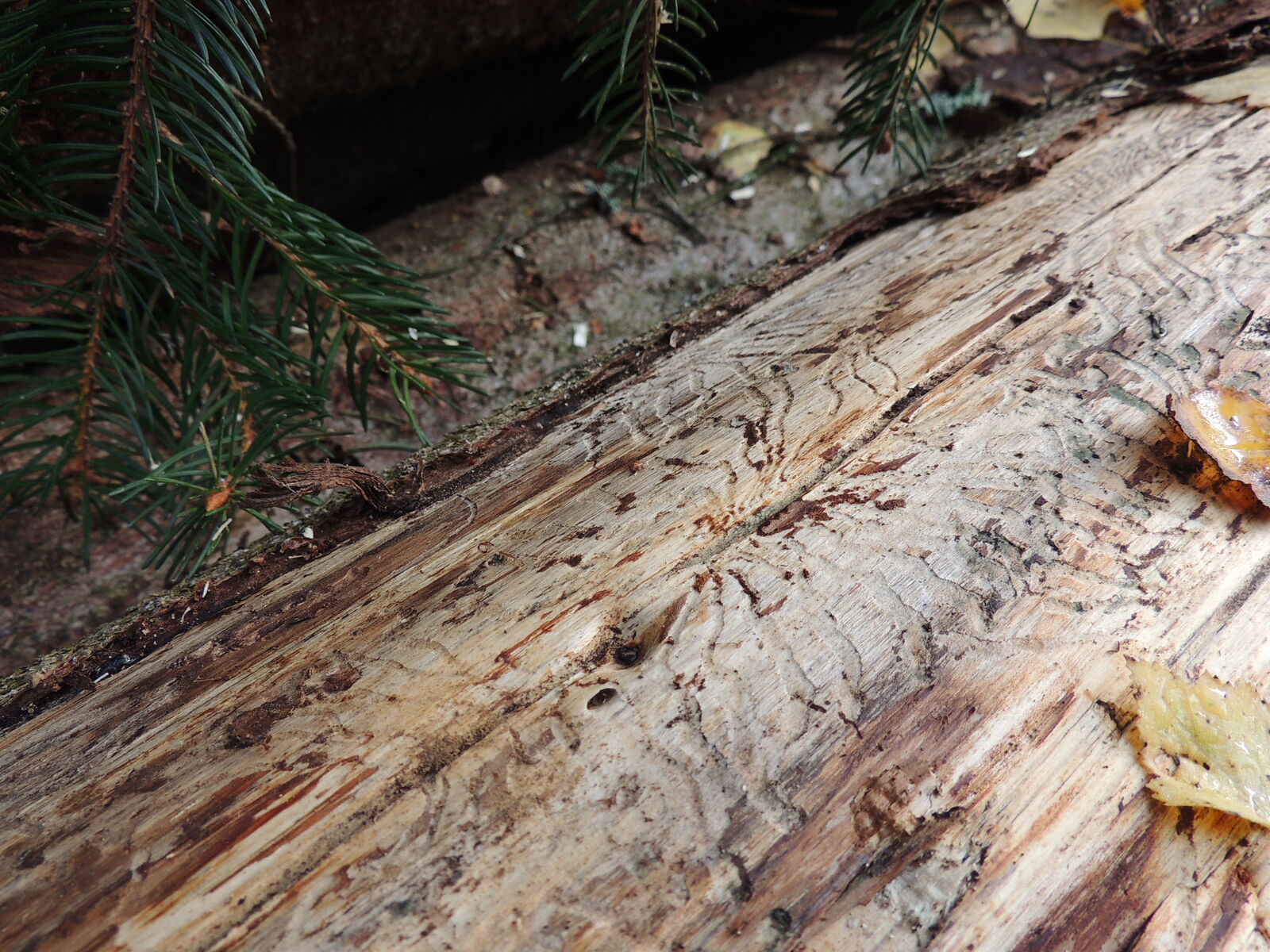
Beetle galleries on a spruce tree. Copyright: Karola Dierichs, Matters of Activity, Max Planck Institute for Colloids and Interfaces and weißensee school of art and design
Symbiotic Futures 2.0
Interdisciplinary Symposium and Workshop at Kunstgewerbemuseum
Material Form Function | _matter Festival 2025 | More-Than-Human | Wood | Forest The symposium »Symbiotic Futures 2.0« is an open invitation for public discourse as the central event of the exhibition »Symbiotic Wood«. It is an open platform for exchange between disciplines and across individual perceptions. Topical themes will be »Symbiosis as Cognition«, »Symbiosis as Perception« and »Symbiosis as Creation«. These will be introduced in an interdisciplinary panel of lectures and a round table discussion by invited experts from the disciplines of materials science, cultural theory and design. The lectures are complemented by a series of smaller hands-on workshops in which participants can gather first-hand information on the symbiotic interaction with materials, such as earth, resin and wood.
more

Remaining African mahogany trees at a plant nursery in Safané that was established around 1936 and photographed before the trees were cut down in April 2024. Photo: Salif Sawadogo, 2023
The Colonial Tree: Encountering the Vegetal Legacy of French Colonialism in the Mouhoun Region, Burkina Faso
New Article Published by Laurence Douny and Salif Sawadogo
Publications | Forest Remains of colonialism subtly manifest themselves in the particular configurations of natural and urban landscapes and the distribution of vegetation, such as in the case of
Khaya senegalensis or African mahogany. In the Mouhoun region of western Burkina Faso, this vegetal legacy of the French colonies bears witness to a complex and hybrid natural, cultural and local heritage known by the Marka-Dafing as
laada, a ›more-than-colonial‹ heritage. This paper sheds light on aspects of a shared colonisers’/colonised heritage through an examination of people’s recollections, fragments of colonial history and their views of the tree as the embodiment of forced labour or arboreal ornamentation that remind people of the past need to align with the rules set by the former colonial administration.
Ailanthus altissima, Musée national d’histoire naturelle Luxembourg, title: Specimen № 15467, MNHNL 2000, license: CC BY 4.0, color and framing of this image were modified
Vegetal Companions: Arts, Sciences and Temporalities of Co-Existence
Exhibition, Workshops, Audio Walk and Movie Night
Material Form Function | Weaving | _matter Festival 2025 | Wood | Tree Bark | More-Than-Human | Bacteria | Forest | Science Communication Focusing on the agency of plant and tree collectives and their ability to shape entire ecologies, »Vegetal Companions« aims to critically reposition conventional human-centered concepts that highlight control and mastery over nature. In a close dialog with the botanical garden of Späth-Arboretum, »Vegetal Companions« explores different forms of knowledge creation, be it soil as archive, art as research, or philosophy as gardening.
more
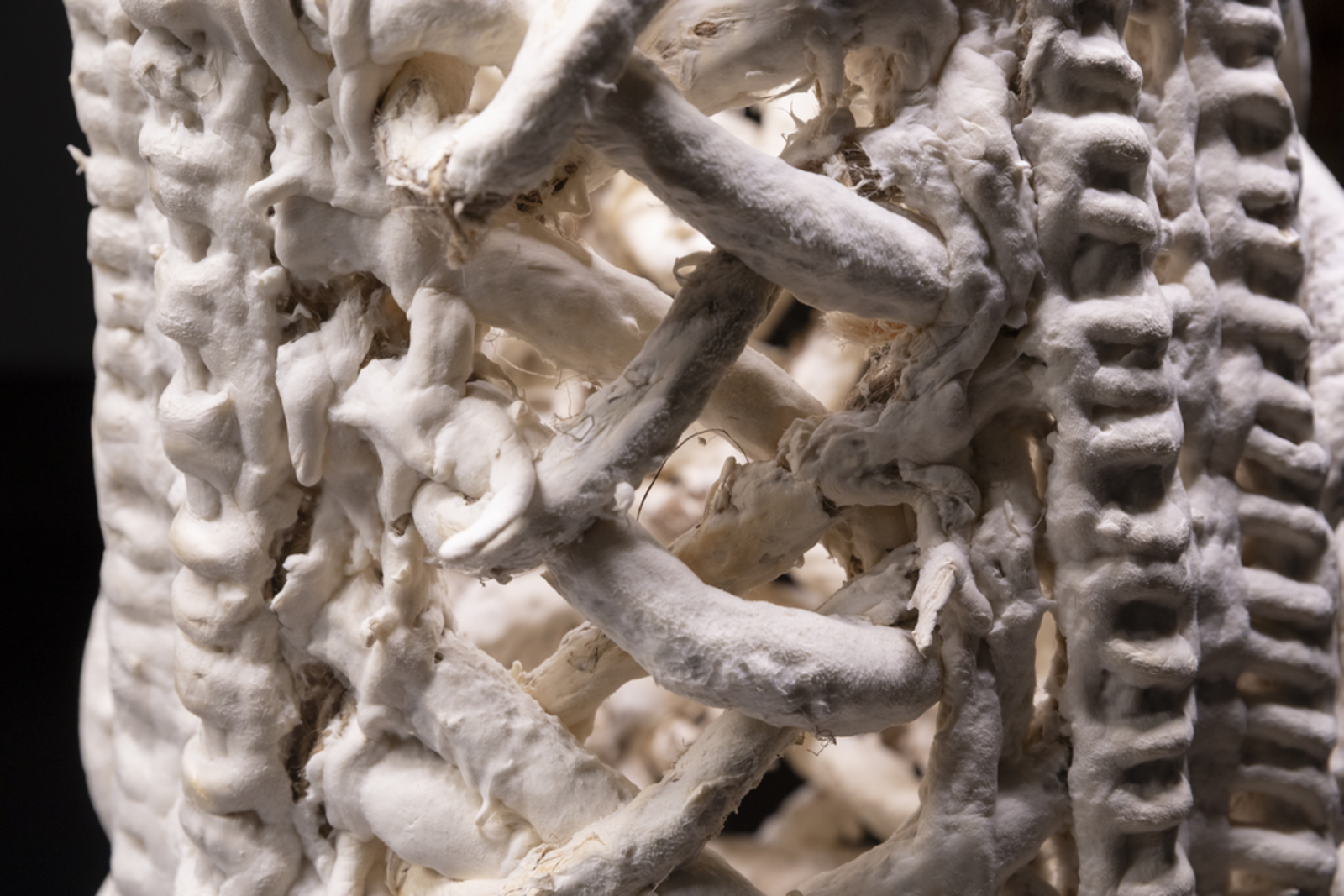
Project »Myko.Plektonik«, Natalija Miodragović & Dimitra Almpani-Lekka. Photo: Michelle Mantel. Copyright: Matters of Activtiy
Active Matter and Environmental Relations
Charlett Wenig and Natalija Miodragović, Together with Alice Jarry, are Panelists at »In.Site2 and Sustainability Across Disciplines«
Weaving | Material Form Function | Object Space Agency | Biodesign | Tree Bark | Forest | Fungi/Mycelium | Circular Economies | Climate In this conversation, designers Alice Jarry (Concordia, CA), Charlett Wenig and architect Natalija Miodragović discuss with »pk langshaw« how engagement with living, semi-living, and sustainable materials that sense, react, and transform with their environment can deploy regenerative and resilient relations and constitute future-forward opportunities for material practices. The whole conference is hosted in Montreal from on March 17th–21st, but will also be available via Zoom.
more
On Care, Repair and Breakdown in Contemporary Arts
Cluster Member Rahel Kesselring Gives a Talk at the 3rd International Care Ethics Research Consortium Conference
Material Form Function | Forest | Temporality Rahel Kesselring will give a talk at the 3rd International Care Ethics Research Consortium Conference in Utrecht. In her talk entitled »›If we do not seek to fix what has been broken, then what?‹: On Procedures of Care, Repair, and Breakdown in Contemporary Arts«, Rahel will give insights into her recent field research. The talk is part of the panel »Care Beyond Repair«. The conference brings together care ethicists and scholars, artists, designers, and makers, artistic researchers, performers and philosophers, educators, policymakers, and others to explore a fundamental question: What does it mean to care?
more
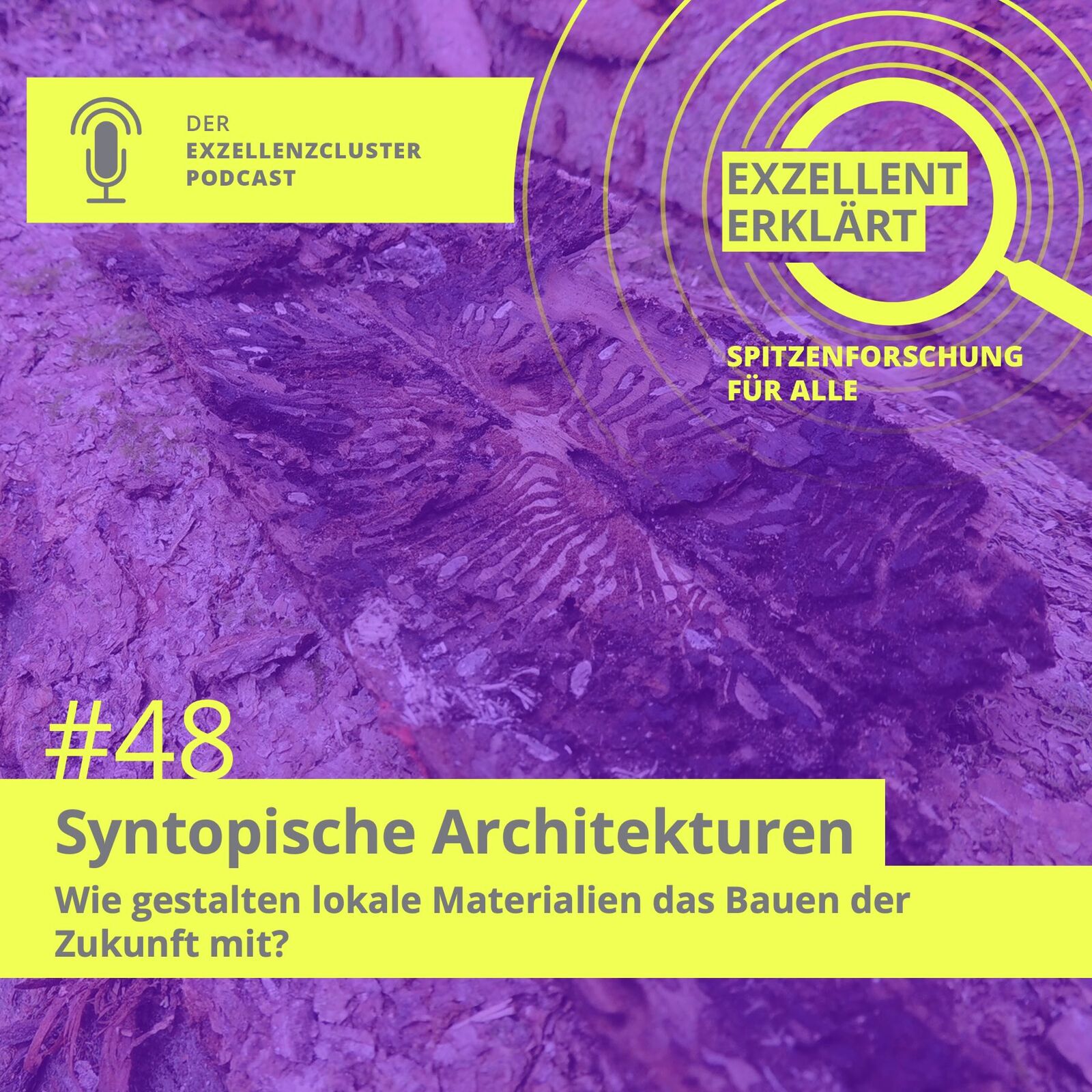
Folgenbild Syntopische Architekturen, 2024. Käferbefallenes Fichtenholz, Foto: Pelin Asa, MPIKG, adaptiert von MoA.
Syntopische Architekturen
Neue Podcast-Folge der Serie »Exzellent Erklärt« mit Karola Dierichs und Robert Stock
Material Form Function | Weaving | Forest | Prototype / Model | More-Than-Human | Tree Bark | Yarns/Fibers | Science Communication In Folge 48 der Podcastserie »Exzellent Erklärt« erwartet die Zuhörer:innen ein inspirierender Austausch zu der Frage, wie die Materialien, die in der direkten Umgebung und ihren Kreisläufen vorkommen, das Bauen der Zukunft mitgestalten können. Journalistin Larissa Vassilian hat mit Cluster-Mitgliedern Karola Dierichs und Robert Stock über ihr Projekt »Syntopic Architectures« gesprochen, das darauf abzielt, natürliche Strukturen in die Architektur zu integrieren, die in Verbindung zu dem Ort stehen, an dem gebaut wird. Ein Beispiel dafür ist das Arbeiten mit Käferholz, also mit Holz, das vom Borkenkäfer befallen wurde.
more
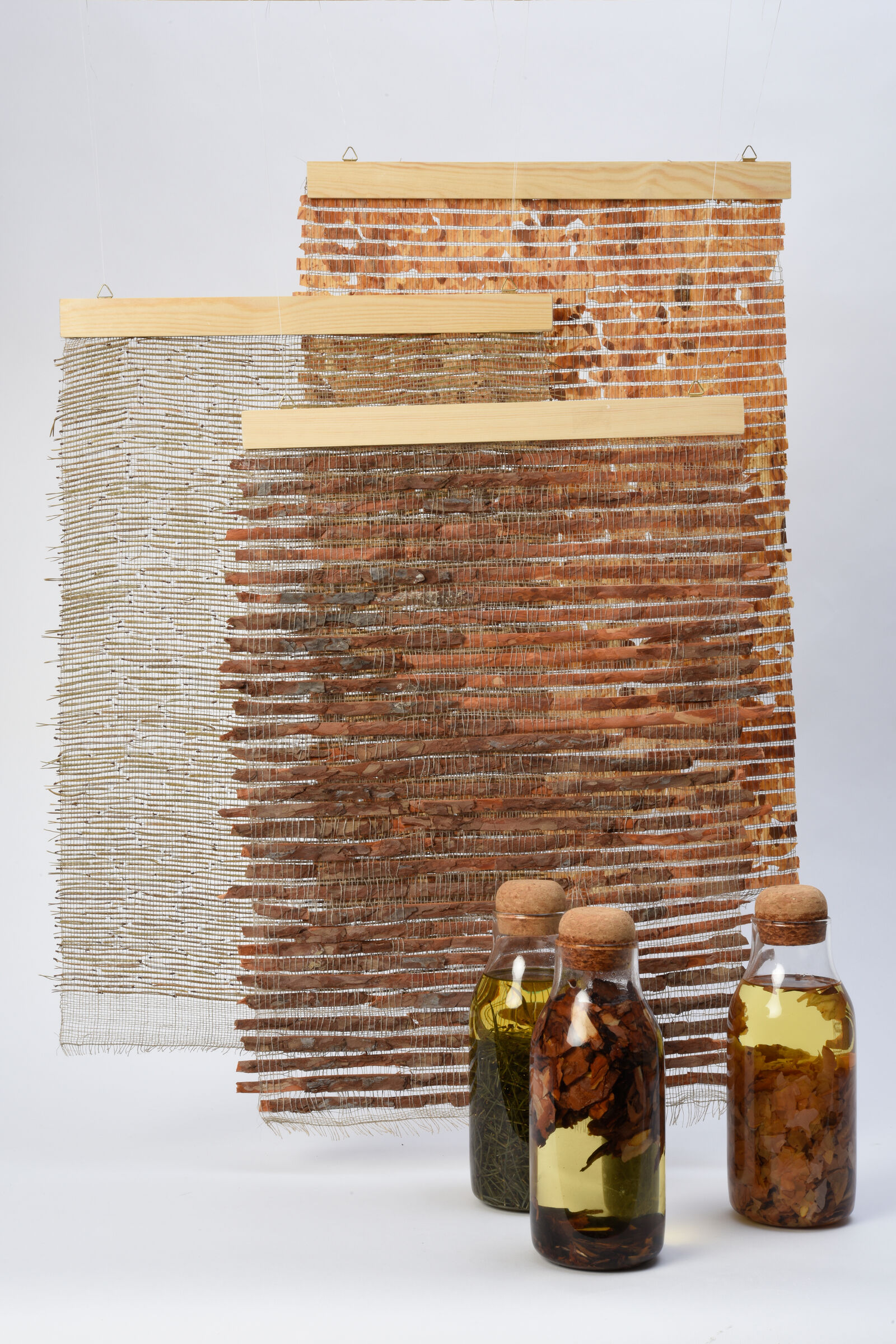
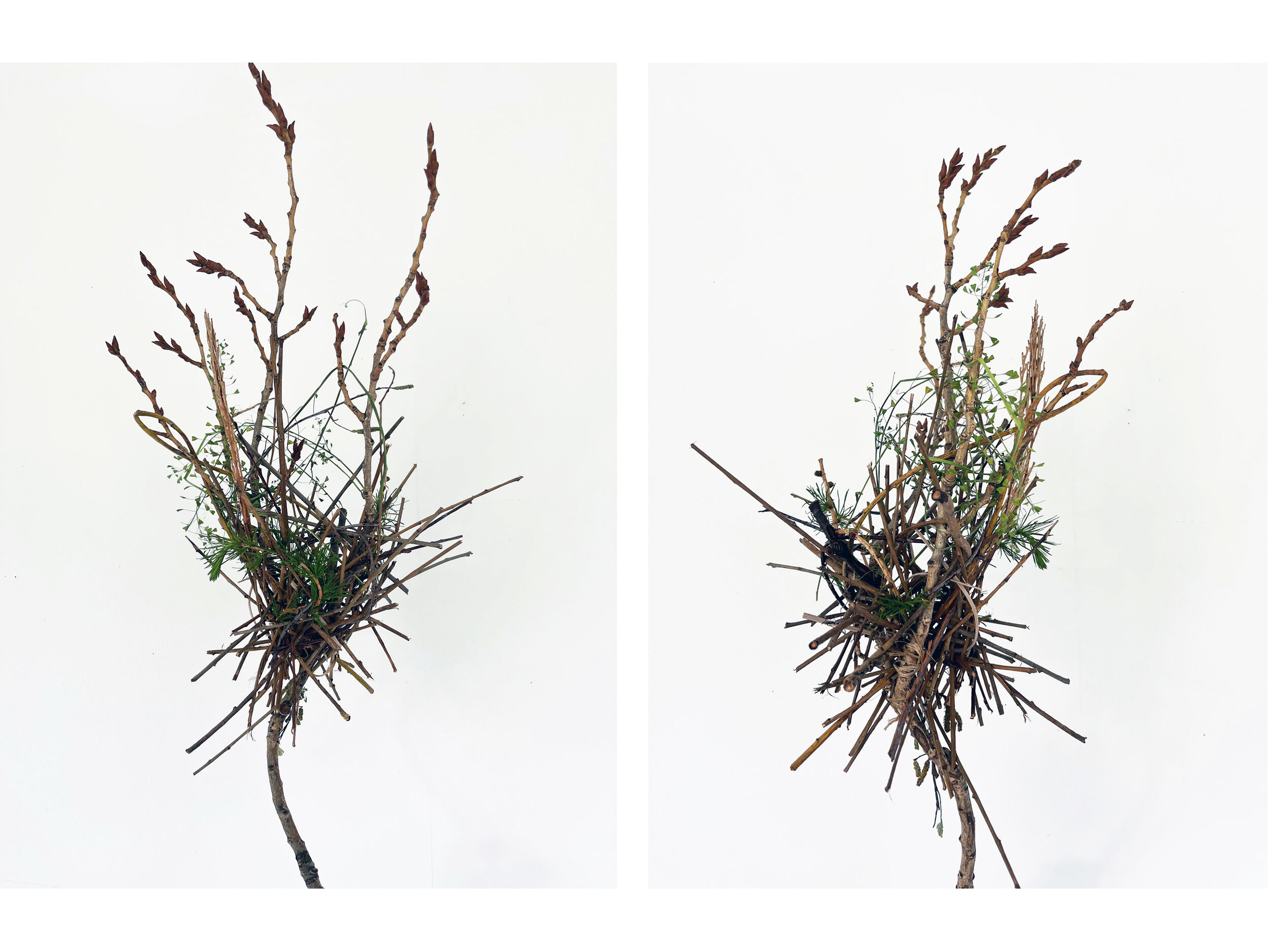
Syntopia – Harvesting the Forest; MoA Design Research Studio. Prototype by Gaia Reiner. Copyright: Gaia Reiner
Syntopia
Harvesting the Forest
Material Form Function | Weaving | Object Space Agency | MoA Design Research Studio | Forest | Teaching | Wood The MoA Design Research Studio »Syntopia — Harvesting the Forest« investigated how materials collected in the forest can be formed into architectural structures. Such materials can for example be branches, leaves, moss, bark, grass or even earth. It was structured in three successive phases. Phase 1 engaged in the speculative design of »Stories of Syntopia«. Phase 2 introduced harvesting, analyzing, making and recording in »Designing Syntopia«. In phase 3, we shared our vision and our designs with a wider public by »Showing Syntopia«.
more

Syntopia. Copyright: Jihae Lee, weißensee school of art and design berlin
Syntopia - Harvesting the Forest
Final Review of MoA Design Research Studio
Material Form Function | Tree Bark | Wood | Forest | Teaching | MoA Design Research Studio We hereby cordially invite you to the final review of the MoA Design Research Studio »Syntopia—Harvesting the Forest«, which will take place on Tuesday, July 18th, in Room 2.03 at weißensee school of art and design berlin. The studio led by Cluster Professor Karola Dierichs, investigated how materials collected in the forest can be formed into architectural structures. Such materials can for example be branches, leaves, moss, bark, grass, or even earth.
more

Copyright: N Scot Unsplash
Mangroves Matter
Robert Stock Talks at the Hybrid Symposium »Luso-Ecologies: More-Than-Human Complexities, Agency, and Resistance in the Lusophone Anthropocene« at University of Oxford
Material Form Function | Forest | More-Than-Human Following Mia Couto’s quote, places of ›nature‹ require us to think more than we would expect. While highlighting that those ›natural‹ places were fabricated through stories (and histories), Couto also contends that they are indeed ›fazedores‹ – makers – of so many other stories. Taking up these thoughts that resonate with Haraway’s claim to create novel stories and »stay with the trouble«, Robert Stock approaches the coastal line of Mozambique to learn about the ways in which mangrove forests intersect with the contemporary postcolonial condition of this country as part of the first panel starting Thursday, March 30th.
more
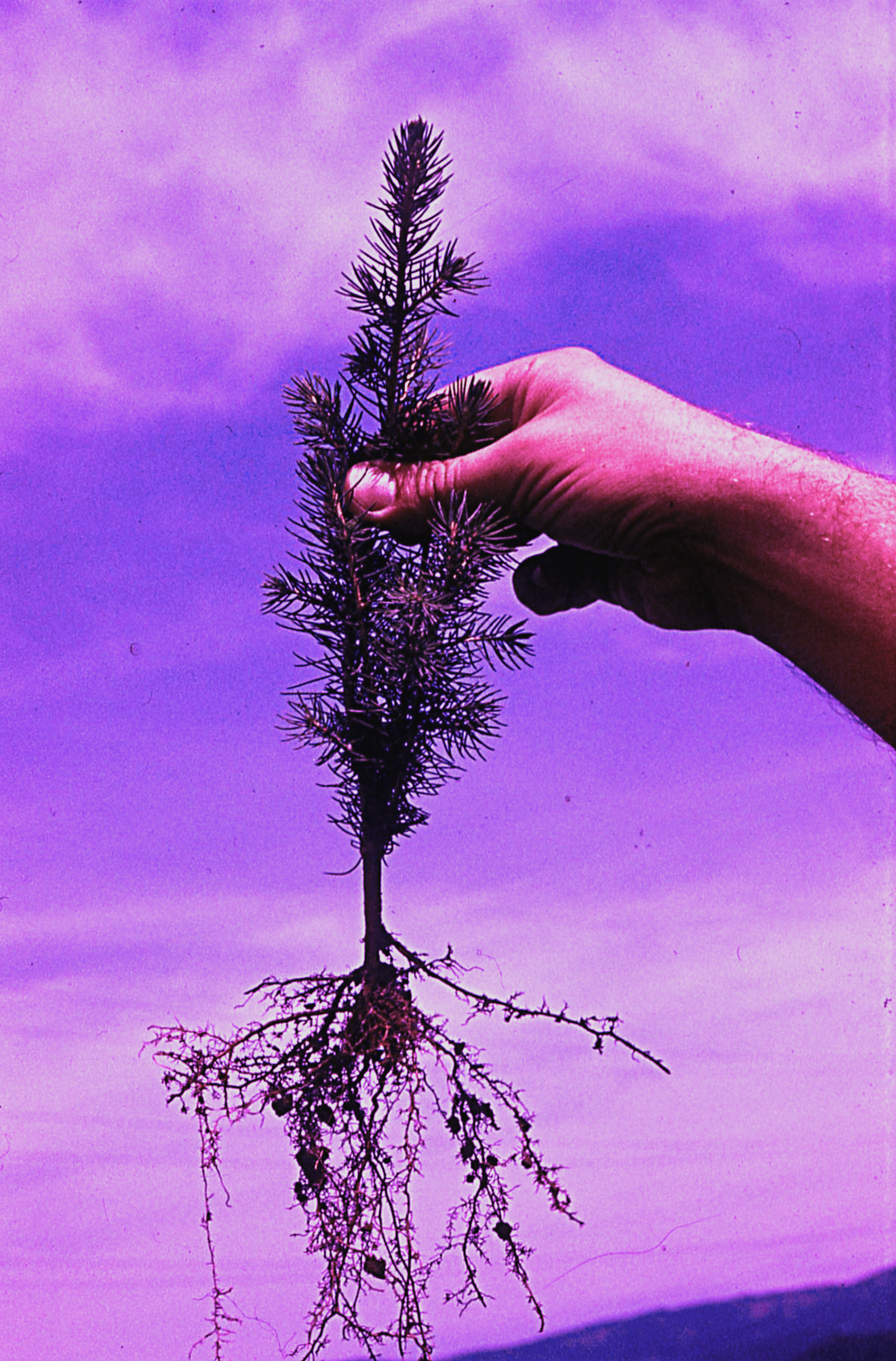
Nursery stock of spruce (2+0) for afforestation. Credits: wikimedia commons / adapted by Matters of Activity
Forests as Techno-Natures: Translating Digital Environmental Subjects
Robert Stock Gave Talk at EASST 2022 »The Politics of Technoscientific Futures«
Material Form Function | Forest In the EASST Conference »The Politics of Technoscientific Futures«, taking place in Madrid July 6th–9th, Cluster Member Robert Stock was part of the panel »ForeSTS«, which aimed to bring together STS perspectives on forests. His talk »Forests as Techno-Natures: Translating Digital Environmental Subjects« was closely related to the project »Active Trees – Knowledge, Technologies and Futures« as part of »Material Form Function«.
more
Advanced Materials Design Based on Waste Wood and Bark
New Paper by Members of »Weaving« published in »Philosophical Transactions A«
Weaving | Tree Bark | Wood | Forest | Publications Cluster members Charlett Wenig, Friedrich J. Reppe, Karin Krauthausen, Peter Fratzl and Michaela Eder together with colleagues published a paper in the journal »Philosophical Transactions A« by »The Royal Society«. Trees belong to the largest living organisms on Earth and plants in general are one of our main renewable resources. Wood as a material has been used since the beginning of humankind. Today, forestry still provides raw materials for a variety of applications, for example in the building industry, in paper manufacturing and for various wood products.
more
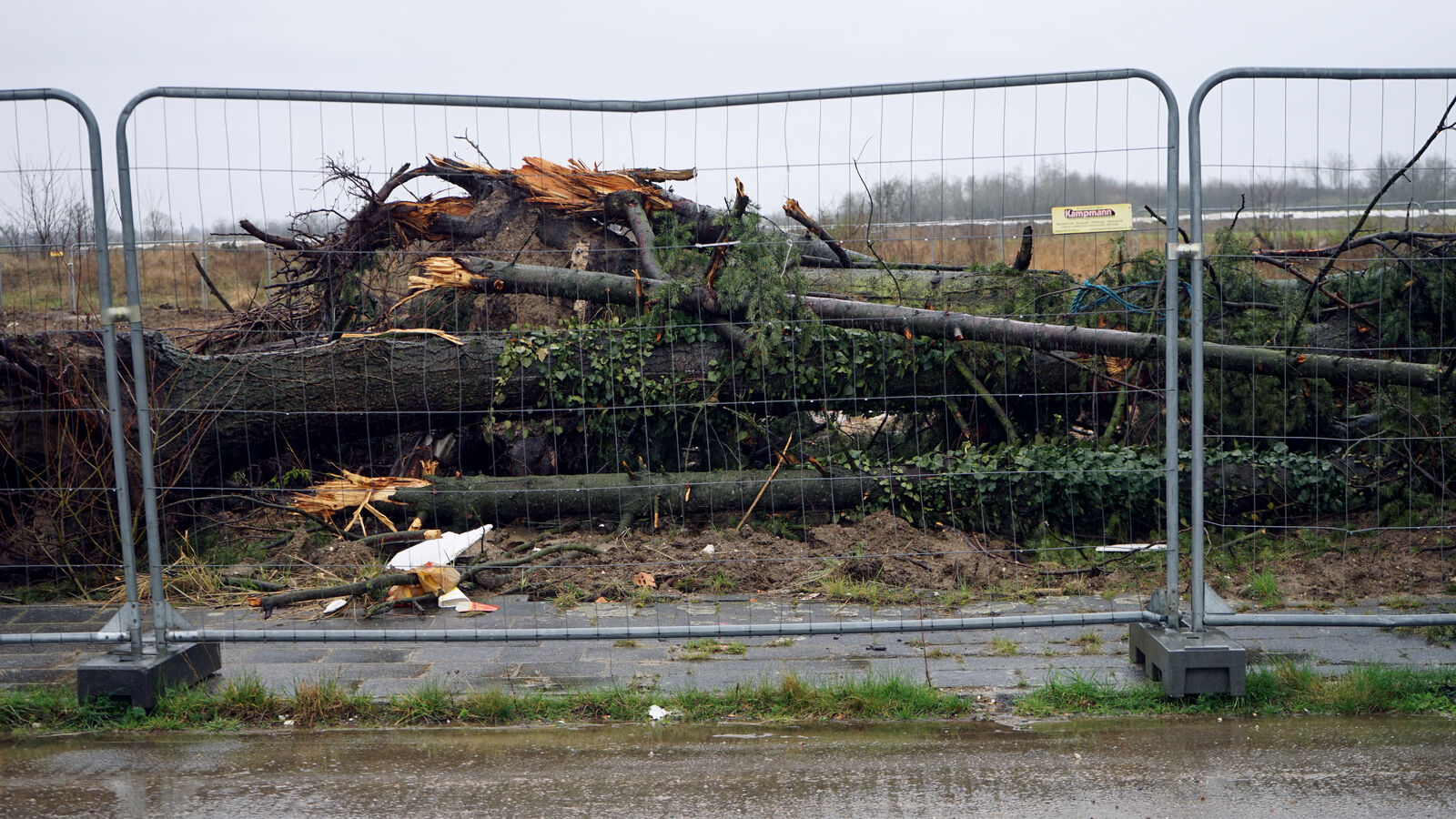
Hambacher Forst, Germany, March 2024. Copyright: Rahel Kesselring
Active Trees – Knowledge, Technologies and Futures
Forest | More-Than-Human | Temporality This research project will contribute to their research by developing an interdisciplinary and humanities-based perspective on wood, forests, and bark. It will draw on new materialism, STS, history of knowledge; decolonial thought and posthuman approaches to map tree-related knowledges, technologies, and futures by drawing on scientific works, material cultures, and cultural production.
more
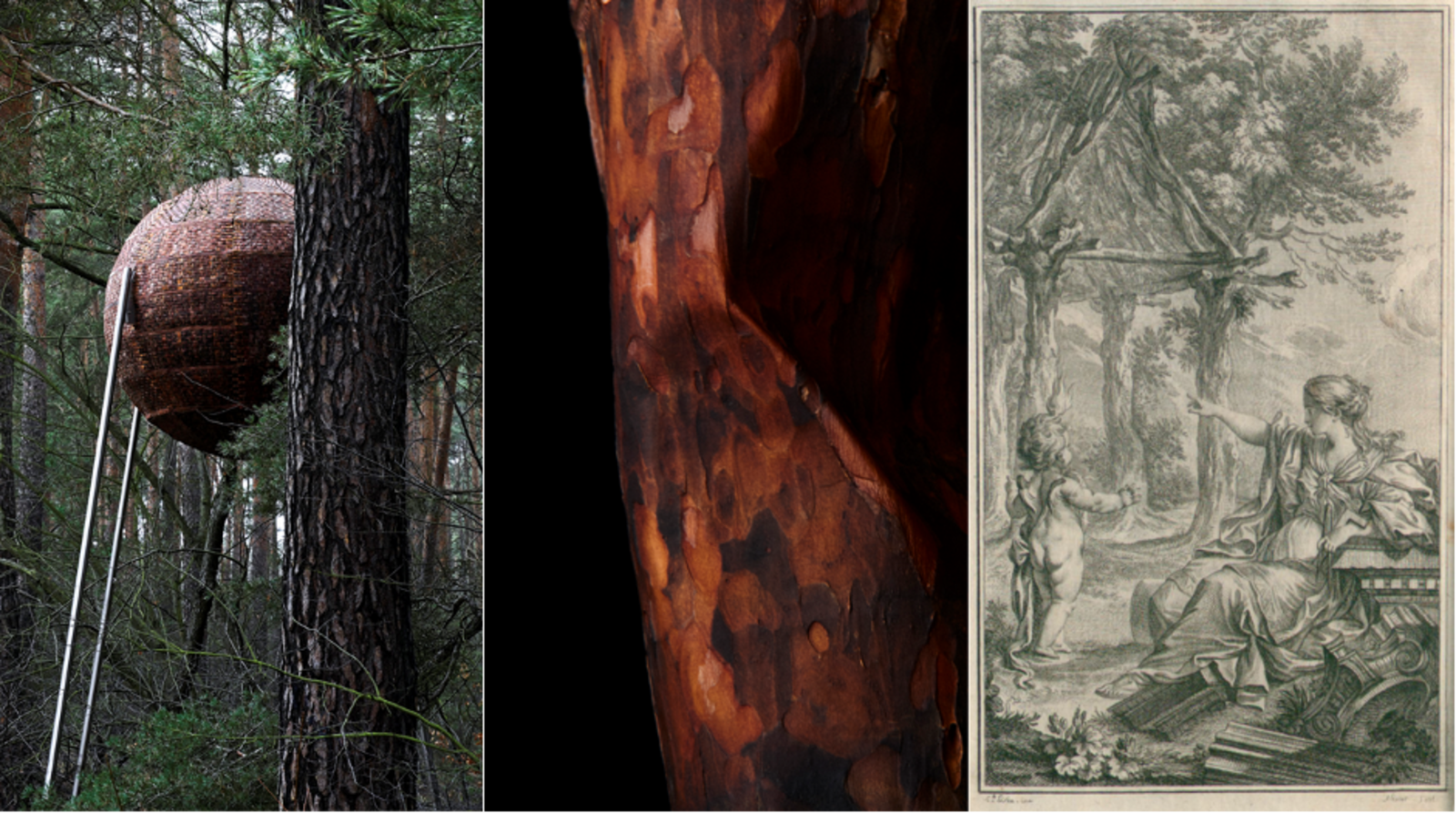
Left: The Bark Sphere, Charlett Wenig with Johanna Hehemeyer-Cürten I MPI-CI and Alexander Magerl, 2021
Middle: The Bark Project Flexibilized, Charlett Wenig with Johanna Hehemeyer-Cürten I MPI-CI and Patrick Walter
Right: Charles Eisen’s allegorical engraving of the first hut (= Vitruvian hut). Frontispiece in: Marc Antoine Laugier, Essai sur l’architecture, Paris: Chez Duchesne […], 2. edition, 1755. ETH-Bibliothek Zürich, Rar 1254, https://doi.org/10.3931/e-rara-128 / Public Domain Mark
Syntopic Architectures
Tree Bark | Forest | Yarns/Fibers | More-Than-Human »Syntopic Architectures« engages in structures for habitation, sourced from and embedded in the material cycles of a specific environment. The term ›syntopic‹ (noun: syntopy) has been coined by Luis Rene Rivas in 1964 and denotes the inhabitation of the same »macrohabitat« by »two or more related species«. It is a composition of the Greek words ›syn‹ meaning together and topos meaning place. To develop Syntopic Architectures thus means to create inhabitable structures with the place where they are built in.
more
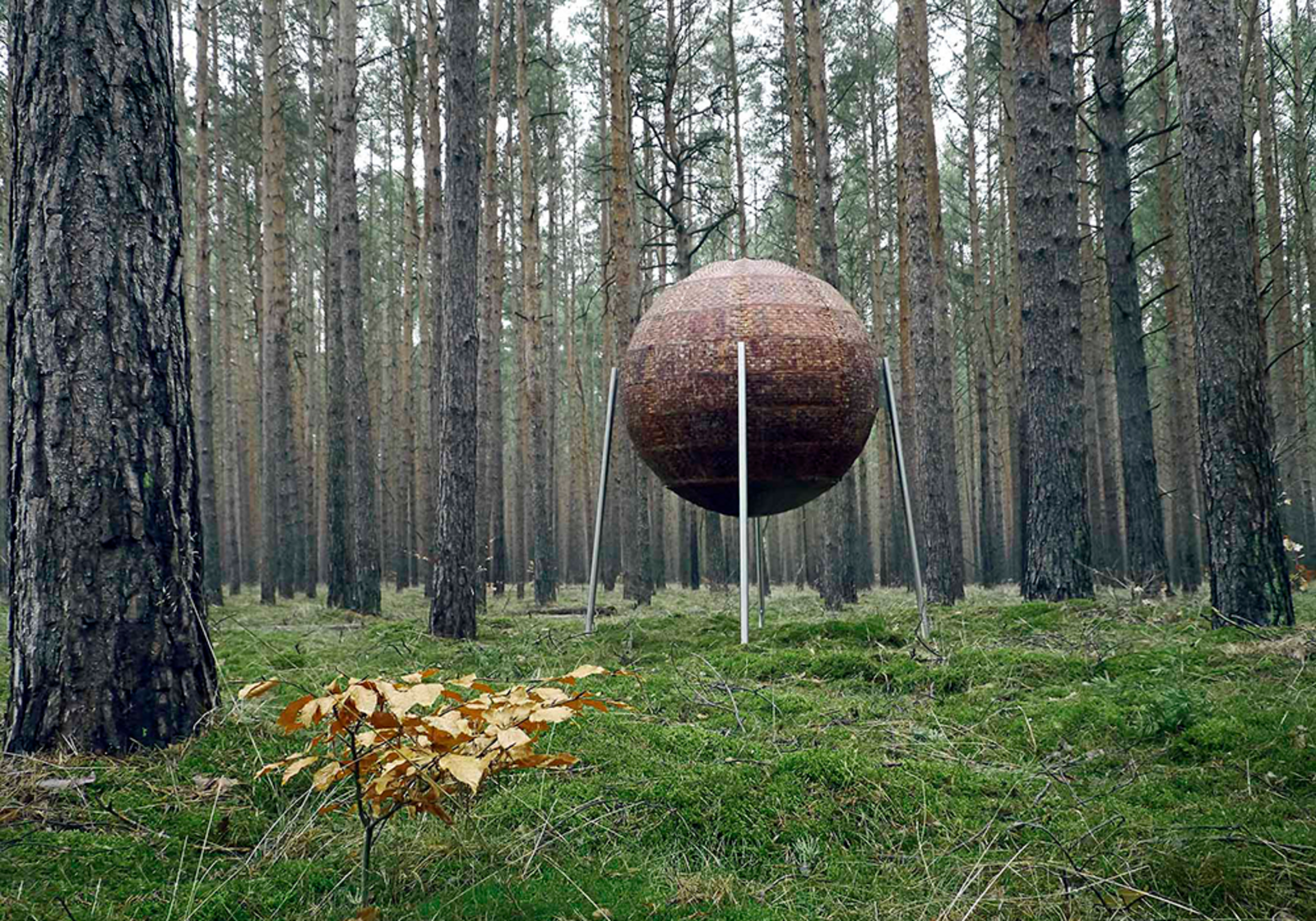
Charlett Wenig, Bark Sphere, 2021. Copyright: Alexander Magerl
Bark Sphere
Tree Bark | Forest Bark, the boundary between trees and their environment, comprises about 10–20% of their total volume. It forms the interface between the environment and the vital cambium and wood. But what does this protection feel like? Can bark take on protective functions for humans as well? These questions arise when peeling bark off a tree for the first time. The aim for the bark sphere installation is to allow one or more people to stand inside and experience being completely surrounded by bark. The use of tree bark with a woven structure allows the use of the protective function of bark in addition to controlling the object’s stability by using different weaving patterns. The inherently difficult round shape of the sphere was selected to explore the limits of formability and to leave room for the viewer’s own interpretation.
more
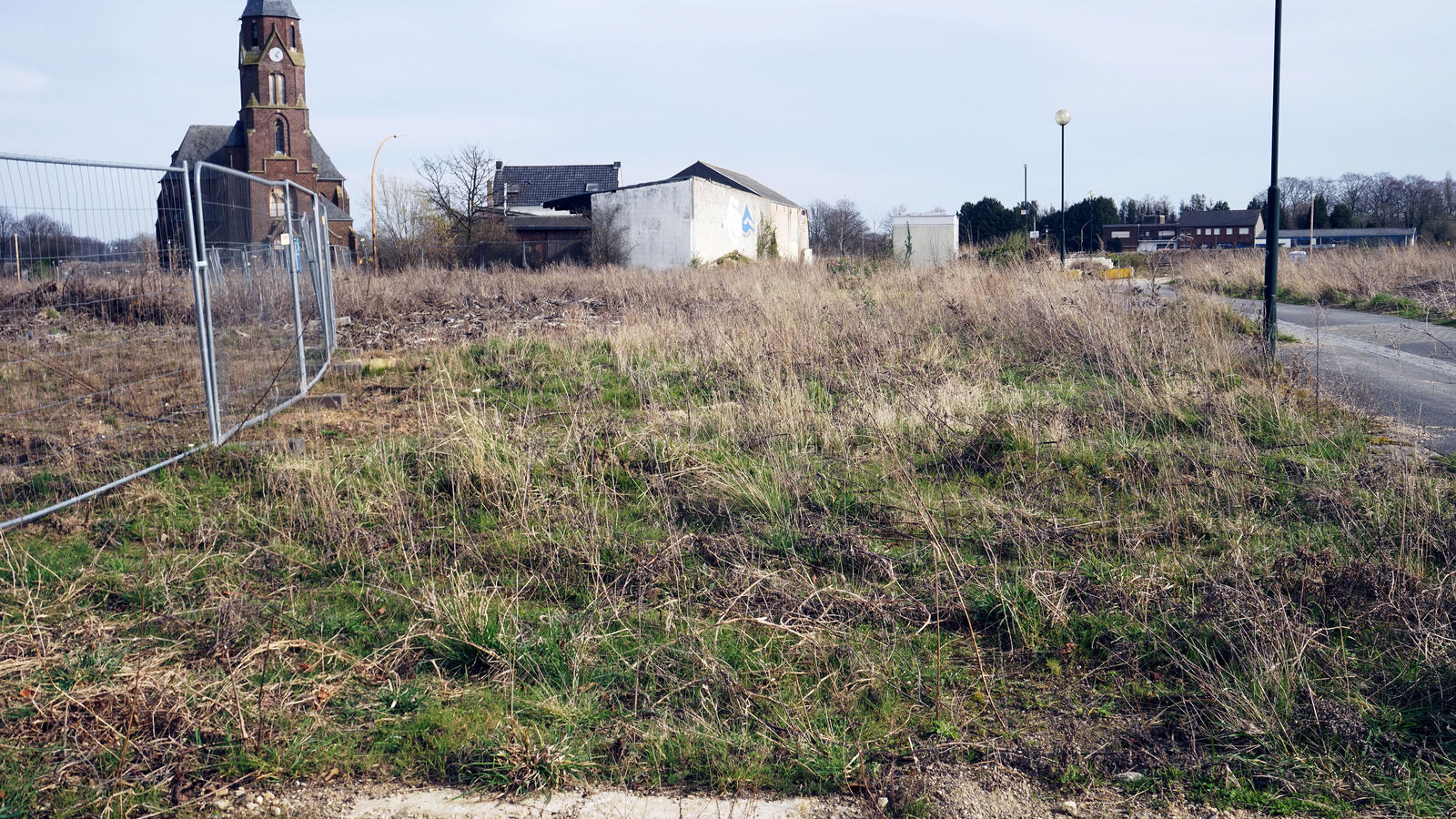
Tour through the abandoned city of Manheim with artist Silke Schatz and her art project »Manheim calling.« The town has been evacuated and demolished to make way for lignite mining close to »Hambacher Forst« in North Rhine-Westphalia, Germany. Schatz’ ongoing art project is part of the investigation of Rahel’s PhD project »One Big Green Thought.« Image: Rahel Kesselring, March 2024.
›One Big Green Thought‹. Repair, Regeneration and Rewilding as Artistic Practices in Damaged Environments
PhD Project Rahel Kesselring
Doctoral Program | Forest | Temporality In her doctoral project, Rahel investigates artistic practices, which are set in damaged environments and have plants, trees, and forests as their object of investigation. By analyzing selected case studies from the field of contemporary art and recent art history, the project aims to discuss arboreal politics, their medial modes of representation, and the epistemologies brought together in them
more
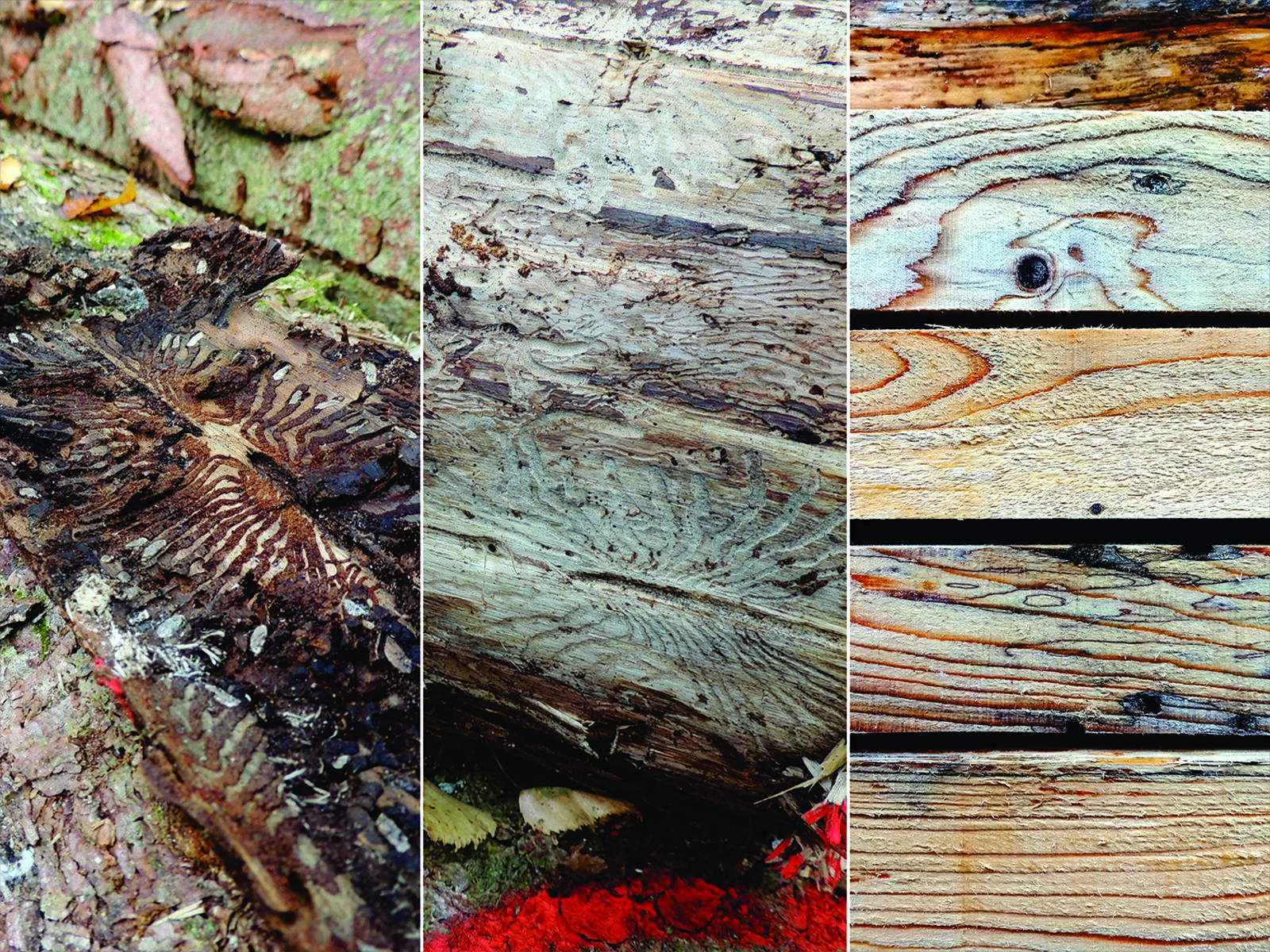
Physical damage on the tree due to beetles and fungus. Left: Bark beetle galleries and larvae under the bark of a spruce tree. Middle: Bark beetle galleries on the sapwood of a spruce tree. Right: Other insect holes and brown rot streaks on spruce wood. Pelin Asa, MPICI, 2023.
Building with Insect-damaged Timber
PhD Project Pelin Asa
Doctoral Program | Wood | Forest Spruce forests in Europe face significant challenges from increasing bark beetle attacks, partly attributed to droughts and extreme weather conditions. Drawing from field research conducted in Feldbuch, Germany, this project analyses factors that lead to bark beetle outbreaks and their impact on the trees, local forests, and communities. As bark beetle infestations escalate, there is a growing focus on understanding their impact on trees and forests, yet research into beetle-affected wood and its potential applications in architecture and digital fabrication remains limited. This research aims to address this gap by identifying key questions surrounding beetle-infested wood and showcasing its potential for valorisation.
more