Carbon Present
Virtual Exhibition at the Canadian Centre for Architecture in Montreal


What does climate accountability look like for architecture?
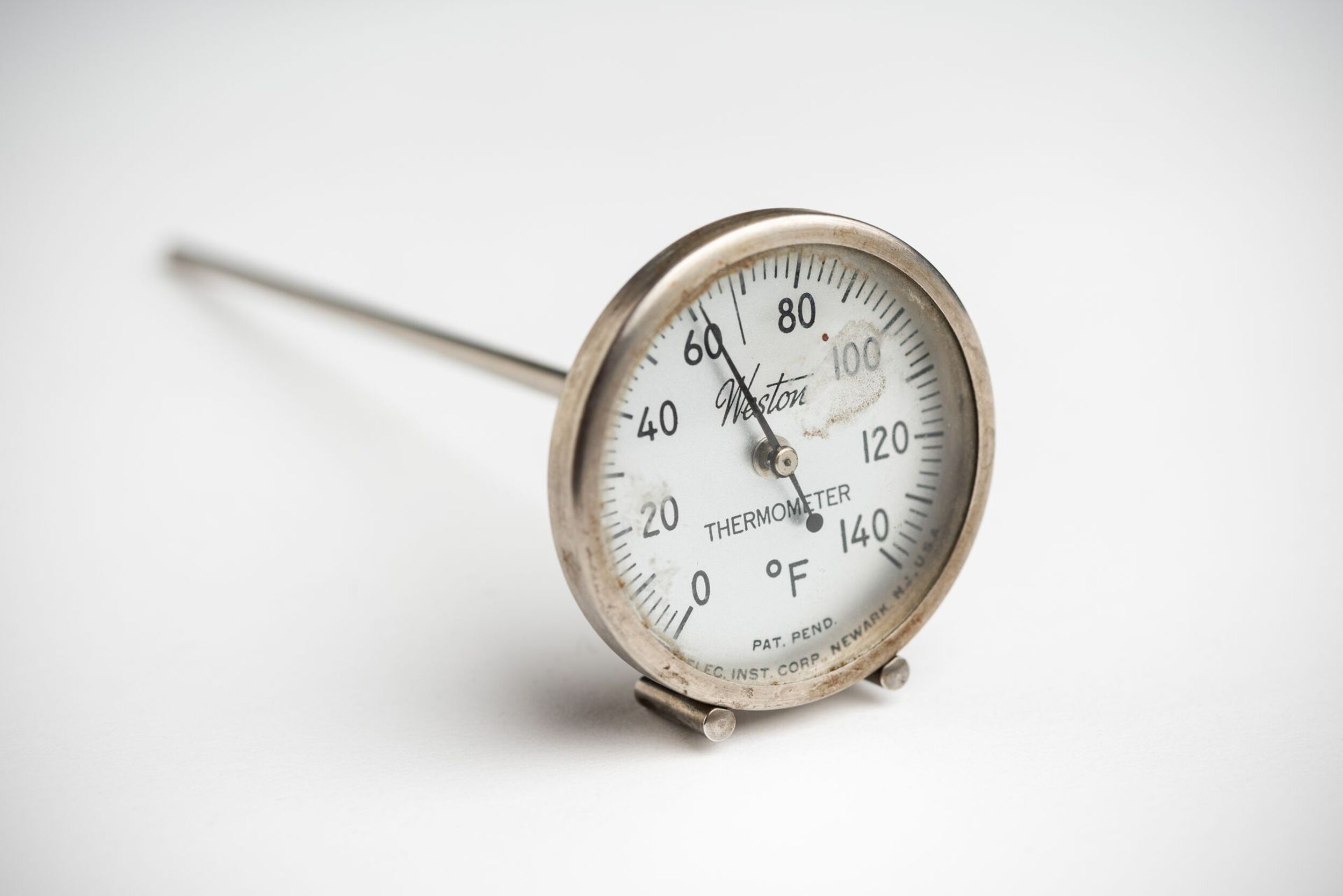
In an online exhibition curated by the Arièle Dionne-Krosnick at the Canadian Centre for Architecture (CCA), the participants in the 2022 Toolkit for Today: Carbon Present seminar and the 2022 Doctoral Research Residency Program were invited to collaboratively re-read objects from the CCA collections in ways that trace and highlight how carbon shapes our present built environment. »Researchers generated dynamic terms to frame how we have historically engaged with and continue to manage carbon: to regulate design expertise, to shape social and lived experience, to be comfortable, and to relate to (and profit from) built and natural environments« (CCA).
MoA research associate Iva Rešetar contributed to two thematic clusters: Combusting with Demetra Vogiatzaki and Hamish Lonergan, examining the double meaning of combustion as power: although it provides energy, it is tied to the control of resources, processes, and knowledge; in Easing, together with Arièle Dionne-Krosnick and Christian Saavedra, she asks: how do design practices channel and redistribute access to natural elements like vegetation, water, and air in order to meet human needs for comfort and leisure? And how do they reconstruct or substitute these ›missing‹ aspects of nature in the built environment? The selected examples, spanning modern, post-war, and contemporary eras, illustrate ethical concerns and frictions over the management and ownership of natural elements, and the reshaping of boundaries between the private and the public in the carbon present.
We invite you to follow the evolving display, as new thematic clusters are being added to the CCA channels.