|
|
 |
|
|
|
|
|
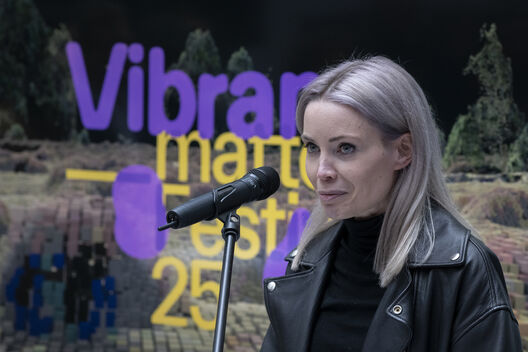
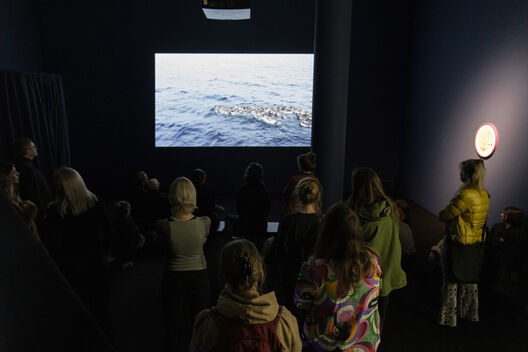
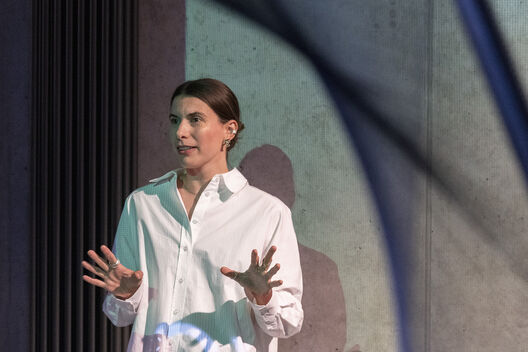
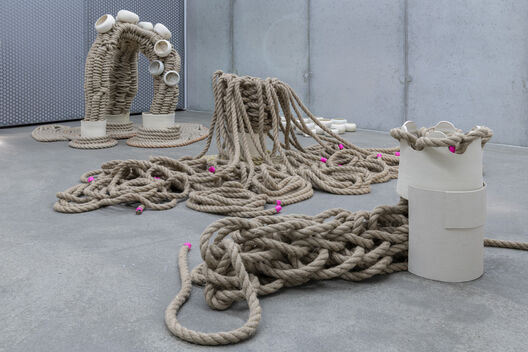
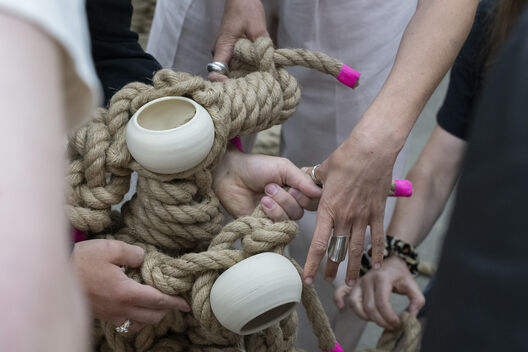
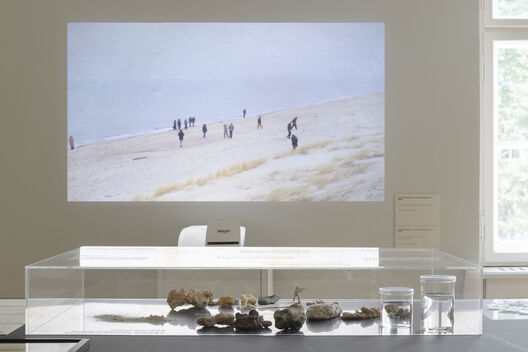
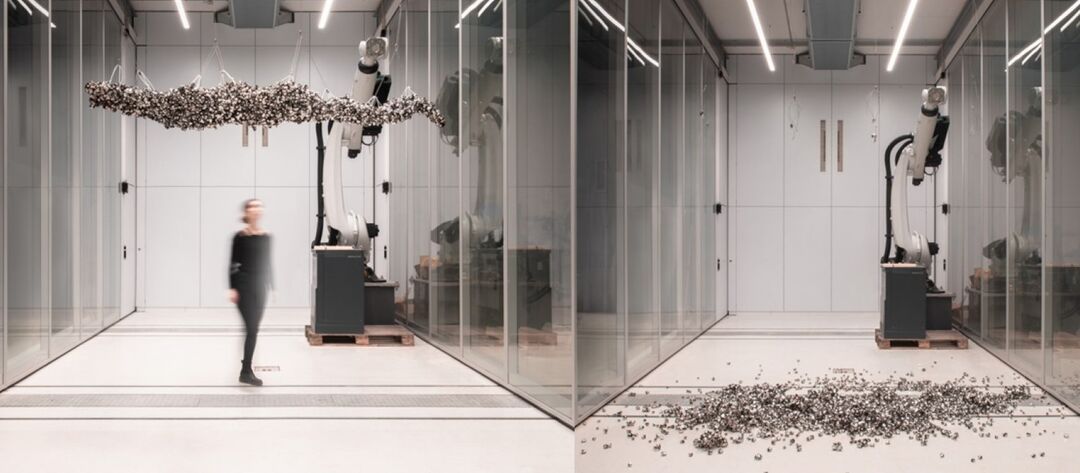
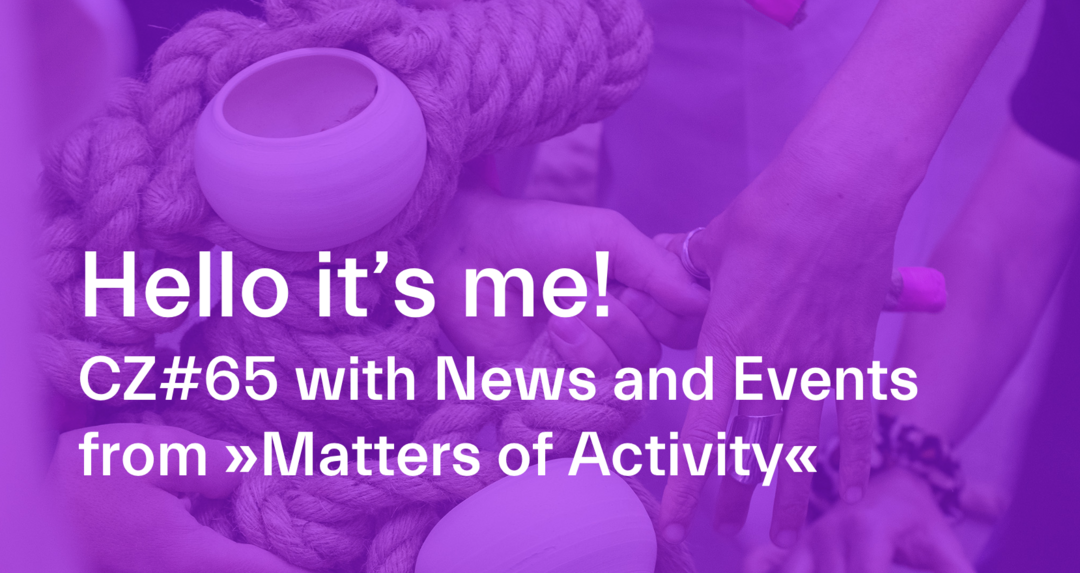
What if the Ocean Were a City?, Exhibition, Rasa Weber, re:future lab, _matter Festival 2025. Photo: Michael Pfisterer, adapted by Matters of Activity
|
|
Dear friends of Matters of Activity,
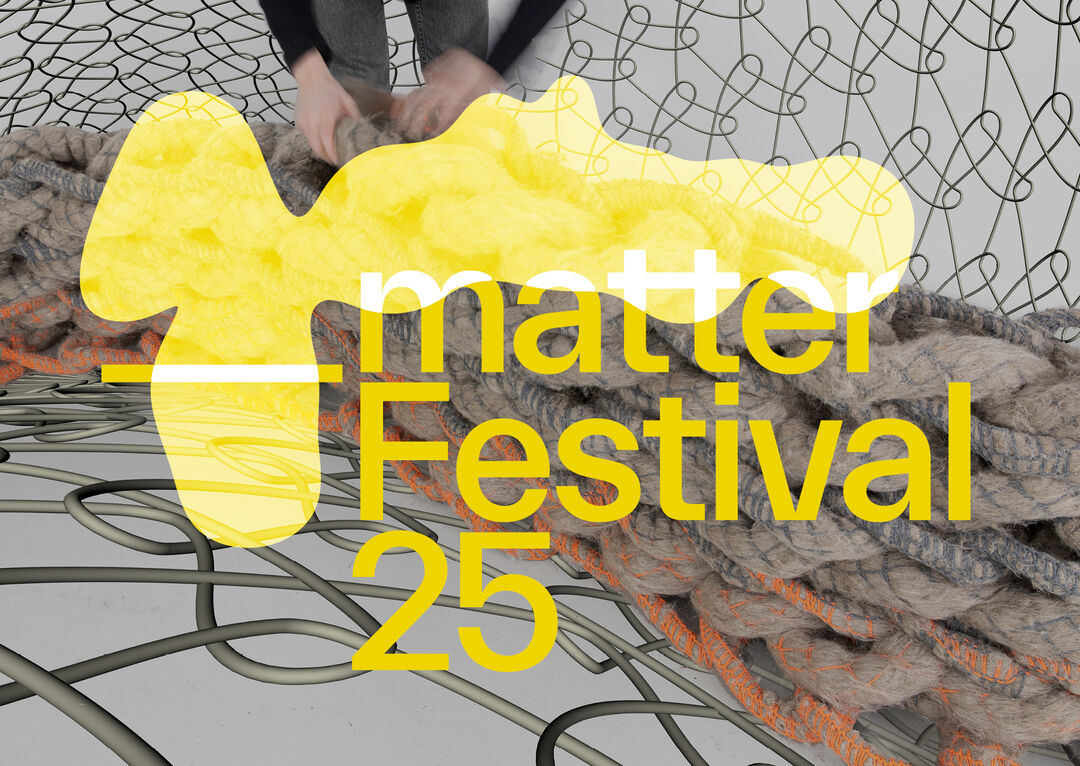
The _matter Festival 2025 has got off to a furious start and can currently be visited at four locations in Berlin. This issue of CZ# is, therefore, primarily dedicated to looking back at the start of the first contributions and looking ahead to the next openings. We are delighted to celebrate the results of Matters of Activity's research with you in this context and to engage in an exchange about our research. In total, the Cluster is currently part of seven exhibitions across Germany – what a year!
In addition, we look forward to reporting on our members' latest publications, interviews, and research visits abroad as well as introducing the newest Cluster members.
We hope to see you soon at one of the many exhibitions and events.
Happy reading!
Antje Nestler & Carolin Ott
|
|
|
|
|
|
|
| Johtingeaidnu – The Path Within |
| Exhibition |
|
|
|
|
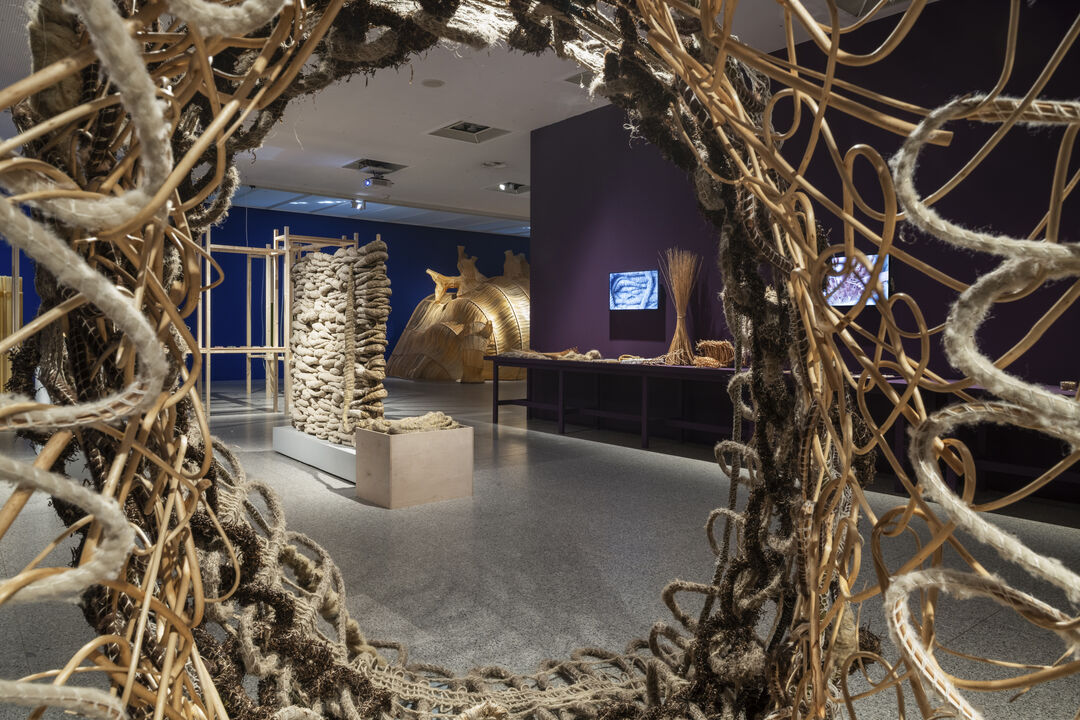
| Johtingeaidnu – The Path Within, Exhibition, Emilia Tikka, Oula A. and Leena Valkeapää, Schering Stiftung, _matter Festival 2025. Photos: Michael Pfisterer |
|
|
10.4.2025–13.7.2025
|
|
|
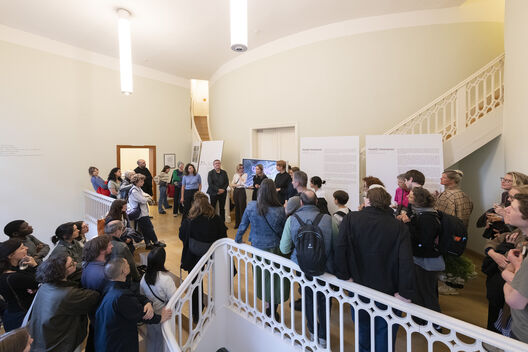
On April 10th, 2025, the Cluster celebrated the inauguration of the _matter Festival 2025 at Schering Stiftung Berlin. The first exhibition in the festival program, »Johtingeaidnu – The Path Within«, premieres the results of a long-term collaboration between artist-researcher Emilia Tikka, reindeer herder Oula A. Valkeapää, and artist-researcher Leena Valkeapää. It engages with the concept of shared embodied memories carried within humans, reindeer, and in Johtingeaidnu – the ancestral migratory paths. The exhibition was covered by Tagesspiegel, der Freitag, and Berlin Art Link and is still on view until July 13th. → more
|
|
|
|
|
|
|
| What if the Ocean Were a City? |
| Exhibition and Interactive Program |
|
|
|
|
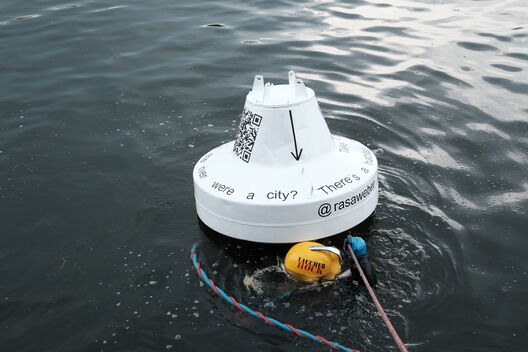
| What if the Ocean Were a City?, Exhibition, Rasa Weber, re:future lab, _matter Festival 2025. Photos: Michael Pfisterer + Rasa Weber |
|
|
2.5.2025–17.5.2025
|
|
|
Parallel to the Berlin Gallery Weekend in May 2025 and as part of the _matter Festival and BUA event series »ON WATER | PARCOURS«, design researcher and diver Rasa Weber took on the challenge of creating an artificial reef in the river Spree, a project she calls »Syntopolis«. Created in collaboration with local artisans, the reef will slowly become a new ecological habitat for various life forms over the next months. Streamed into the Internet, »Syntopolis« invites encounters, experiences and reflections on shared ecological futures. On the day of the opening of the underwater installation and exhibition at re:future lab, an interview with Rasa Weber was aired on Deutschlandfunk Kultur. → more
|
|
|
|
|
|
|
| Blooms |
| Exhibition and Workshop |
|
|
|
|
|
7.5.2025–28.6.2025
|
|
|
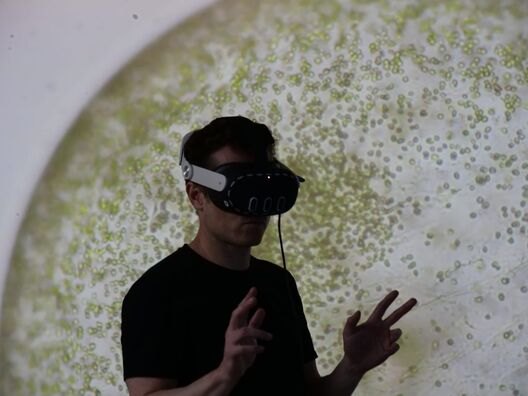
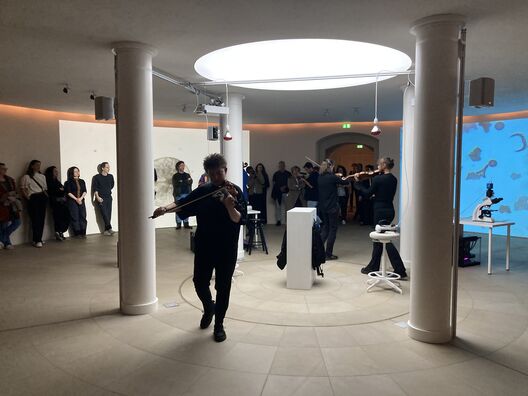
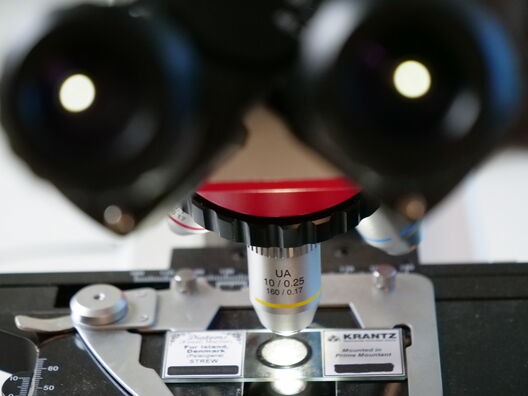
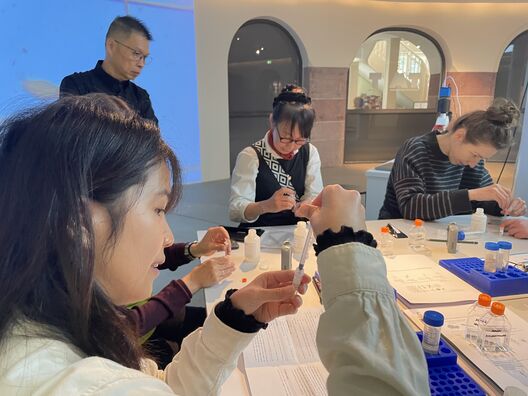
On May 7th, the opening of »Blooms«, an art-science installation by Wendy Chua and Christian Stein et al., was celebrated at Tieranatomisches Theater with a musical performance, which illuminated the hidden soundscapes of the climate precarity of algal blooms that plague water bodies flowing through and around cities. The exhibition and the VR experience focus on the rising temperatures, marine heatwaves, and anthropogenic pollutants, increasing the frequency of toxic algal blooms. These anthropogenic waste streams exit our urban, agricultural, and industrial environments to ›nourish‹ rivers and seas, creating the eutrophic condition for toxic algal blooms that disrupt metabolic cycles of water ecosystems. In the Citizen Science Workshop »Identifying Cosmopolitan Plankton Community« held on May 10th, water samples from the Großer Müggelsee were analyzed - at the moment, it is toxin-free. The exhibition can be seen until June 28th. → more
|
|
|
|
|
|
|
| CONQ at Biennale Architettura 2025 |
| Associated Member Heidi Jalkh Presents Marine Biobased Building Materials in Venice |
|
|
|

|
|
Heidi Jalkh and Angie Dub, Conq, Biennale Architettura 2025. Copyright: Matteo Losurdo
|
|
Material Form Function | Circular Economies | Biodesign | Ocean | Prototype / Model | Climate Cluster member Heidi Jalkh and Angie Dub have been invited to contribute to the Biennale Architettura 2025, curated by Carlo Ratti. The theme of the 19th International Architecture Exhibition is »Intelligens. Natural. Artificial. Collective.« Their project »CONQ – Marine biobased building materials«, is part of the Arsenale Exhibition »Matter Makes Sense.« The Venice Biennale will be open to the public until November 23th, 2025.
Within CONQ, environmental architect Angie Dub and experimental designer Heidi Jalkh, based in Buenos Aires, are finding ways to turn this so-called waste into a sustainable material for the built environment. By combining crushed seashells with algae-based biopolymers, they create a heat-free bioceramic* made entirely from marine biomass. In the current phase, material samples are undergoing testing to determine their physical properties and characteristics. These evaluations will inform and guide the exploration of possible implementation scenarios for the material in various applications. → more
|
|
|
|
|
|
|
| Vouwo Mud Dye |
| New Paper in Coloration Technology About Novel Approach to Researching Sustainable Textile Dyes |
|
|
|
|
|
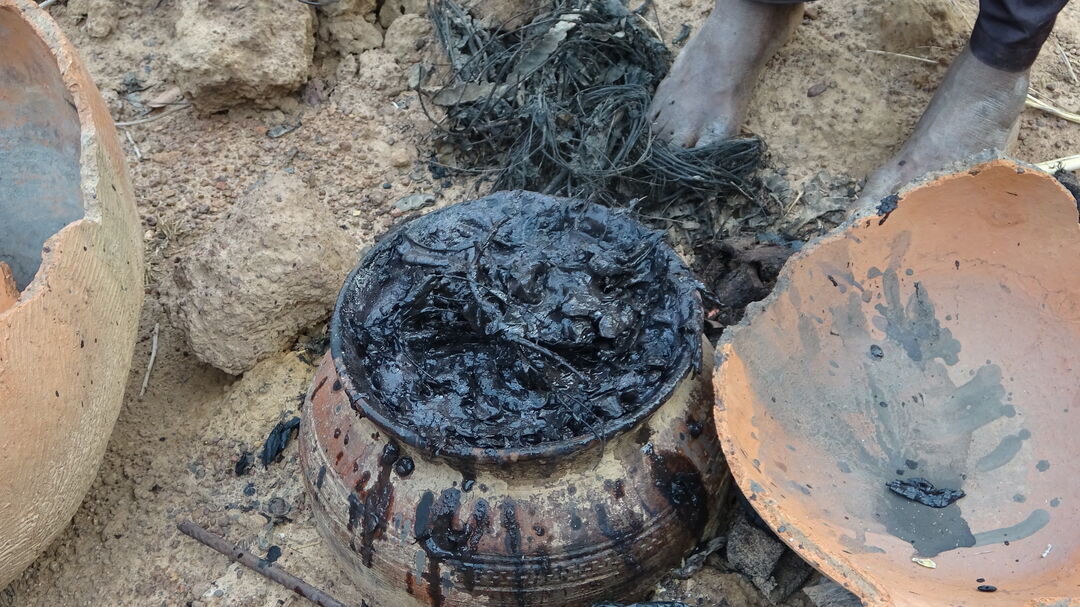
Vouwo - mud dye produced by Marka-Dafing master dyer and hunter Adama Séré. Photograph by Salif Sawadogo.
|
|
5.5.2025
|
|
|
Weaving | Bacteria | More-Than-Human | Publications | Textiles | Yarns/Fibers Coloration using soil-based dyes is a fast-growing subject of enquiry in fibres and textile surface design, with pigments and microbes involved in their production being extensively researched. Using this rich natural resource, dyeing techniques have also been integral to long-standing textile traditions worldwide. Grounded in an anthropological study of the dyeing practice of Marka-Dafing hunters in Burkina Faso, West Africa, this paper analyzes the coloration processes in vouwo, or mud dye, used for hunting and ceremonial garments. It highlights complex chemical and microbiological reactions occurring in a dyeing experiment curated by dyers throughout an 18-month-long fermentation process. The authors, Cluster members Laurence Douny, José Ignacio Hernández Lobato, Salif Sawadogo, Peter Fratzl, and Regine Hengge, together with Adama Séré and Shahrouz Amini (MPICI), propose an interdisciplinary approach to the study of vouwo.
→ more
|
|
|
|
|
|
|
| The Hidden Colors of Bark Ash: Reanimating a Leftover Material by Understanding Its Origin |
| New Article by Charlett Wenig, Michaela Eder and Johanna Hehemeyer-Cürten |
|
|
|
|
|
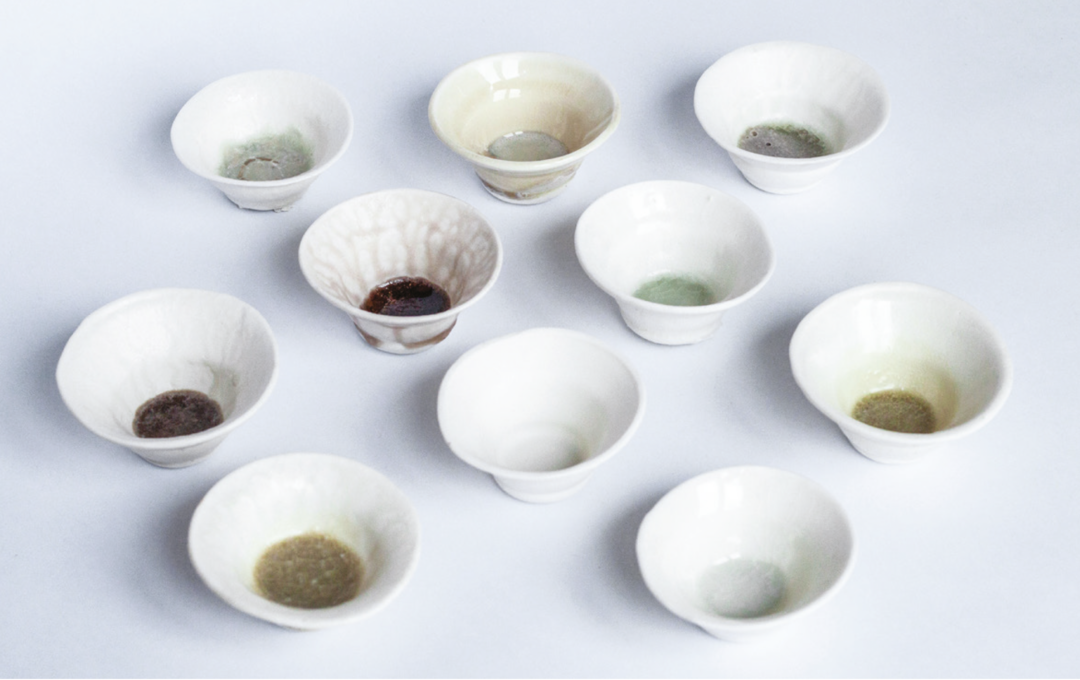
Overview of first results. Charlett Wenig, »Sustainable Tree Bark Objects«, 101
|
|
14.5.2025
|
|
|
Material Form Function | Tree Bark This article focuses on the material properties of tree bark, its cultural history, and its potential for future applications. It discusses the use of bark ash in ceramic glazing with the aim of promoting sustainable material utilization and revaluing what is commonly regarded as waste. Historically, craftsmanship without wasting resources was a symbol of superior quality and economic viability. With industrialization, tree bark became an industrial by-product. Through experimental investigations, this study explores the chemical composition of selected bark ashes and their potential as an additive for ceramic glazing. Combining craftsmanship, design, and scientific methods, this study showcases the possibilities of bark ash as a glazing ingredient, producing a range of colors and surfaces. In conclusion, this study shows the integration of interdisciplinary knowledge—from sciences, humanities, history, and crafts—to foster a holistic approach toward sustainable material utilization and redefine the significance of what is currently deemed waste.
→ more
|
|
|
|
|
|
|
| Intercultural Views on Images, Space and Material |
| Matters of Activity in Tokyo |
|
|
|
|
|
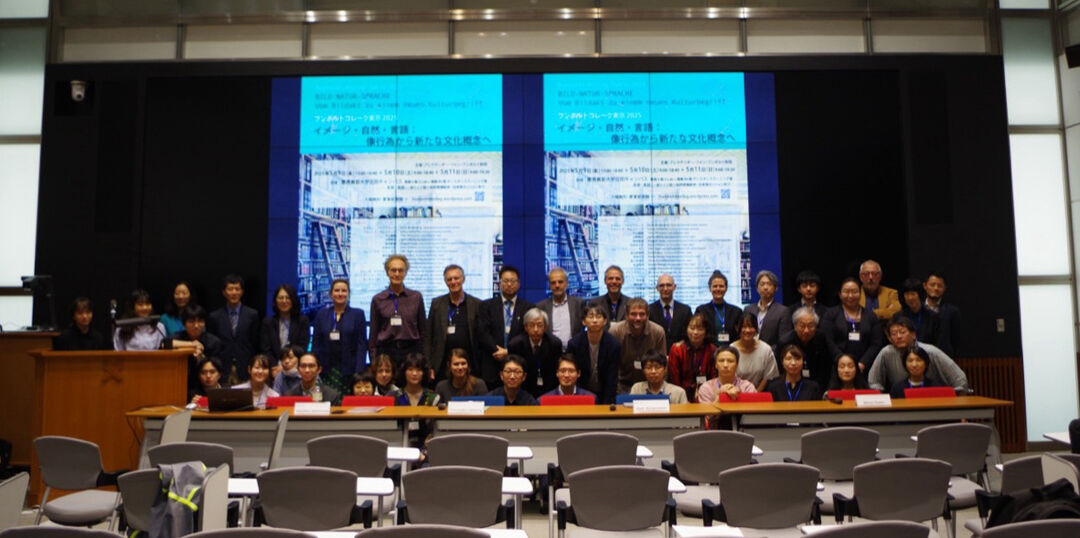
Wolfgang Schäffner, Sabine Marienberg & Horst Bredekamp in Tokyo, May 2025
|
|
15.5.2025
|
|
|
Symbolic Material Under the German title of »Bild – Natur – Sprache: Vom Bildakt zu einem neuen Kulturbegriff,« the Humboldt Kolleg 2025, organized by the image scientist Yasuhiro Sakamoto with the support of the Humboldt Foundation at Keio University in Tokyo, brought together an impressive community of Japanese researchers. The Humboldt Kolleg 2025 focused on image acts, cultural techniques, material humanities, and empirical aesthetics as challenging new German perspectives for the Humanities and for a move toward a new concept of culture. Within this context, »Matters of Activity« was represented by Horst Bredekamp, Sabine Marienberg, and Wolfgang Schäffner, accompanied amongst others by Katja Müller-Helle, representing the Zentrum für Kulturtechnik of Humboldt-Universität zu Berlin, and Winfried Menninghaus, the founder of the MPI for Empirical Aesthetics (Frankfurt).
→ more
|
|
|
|
|
|
|
| Vessels: Infrastructures of Life |
| Exhibition, Panels and Tour |
|
|
|
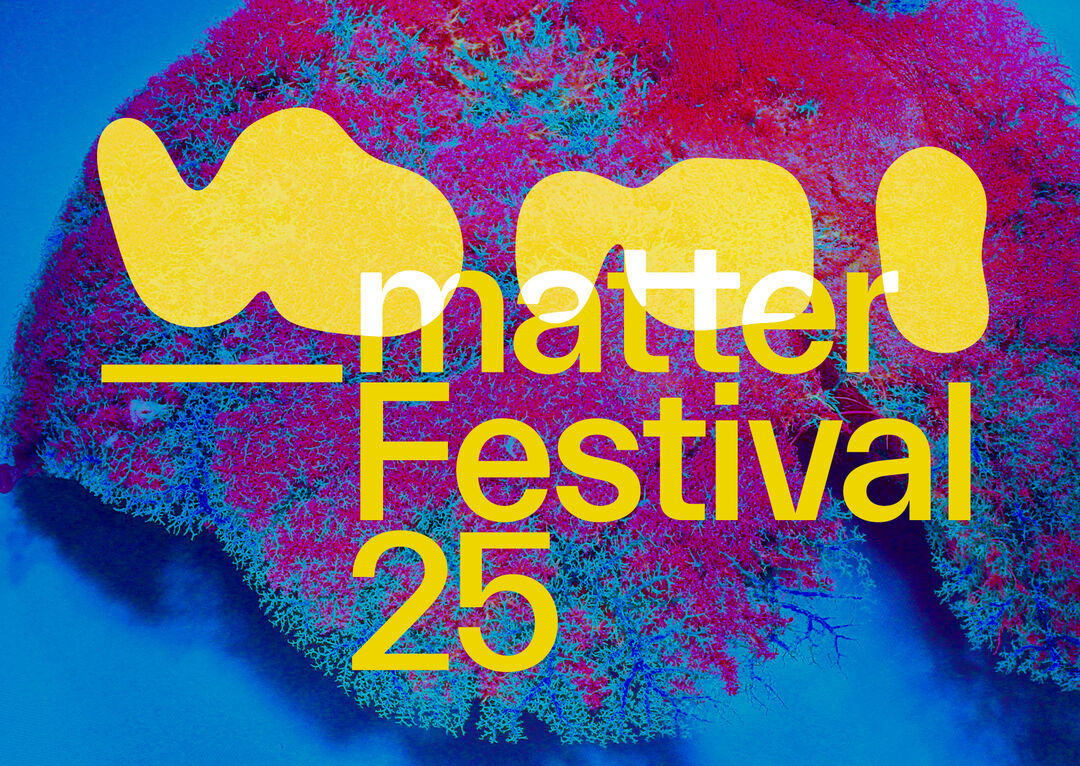
|
|
Corrosion Cast of Liver Vessels, Dietrich Polenz, 2023. Image: Igor Sauer, 2025
|
|
4.6.2025–12.10.2025
|
|
|
Material Form Function | Cutting | _matter Festival 2025 | Science Communication Vessels are indispensable – for plants, animals, humans, and even our cities. As part of the _matter Festival 2025, this special exhibition at the Berliner Medizinhistorisches Museum der Charité, curated by Igor M. Sauer and Navena Widulin, offers exciting insights into these often-hidden structures. It shows how these vessels function and how they can be visualized, used and reproduced. A particular focus lies on the connections between natural vessels and human-made networks, such as the regulation of temperature in buildings or the water and wastewater supply in cities.
→ more
|
|
|
|
|
|
|