Vessels: Infrastructures of Life
Exhibition, Panels and Tour
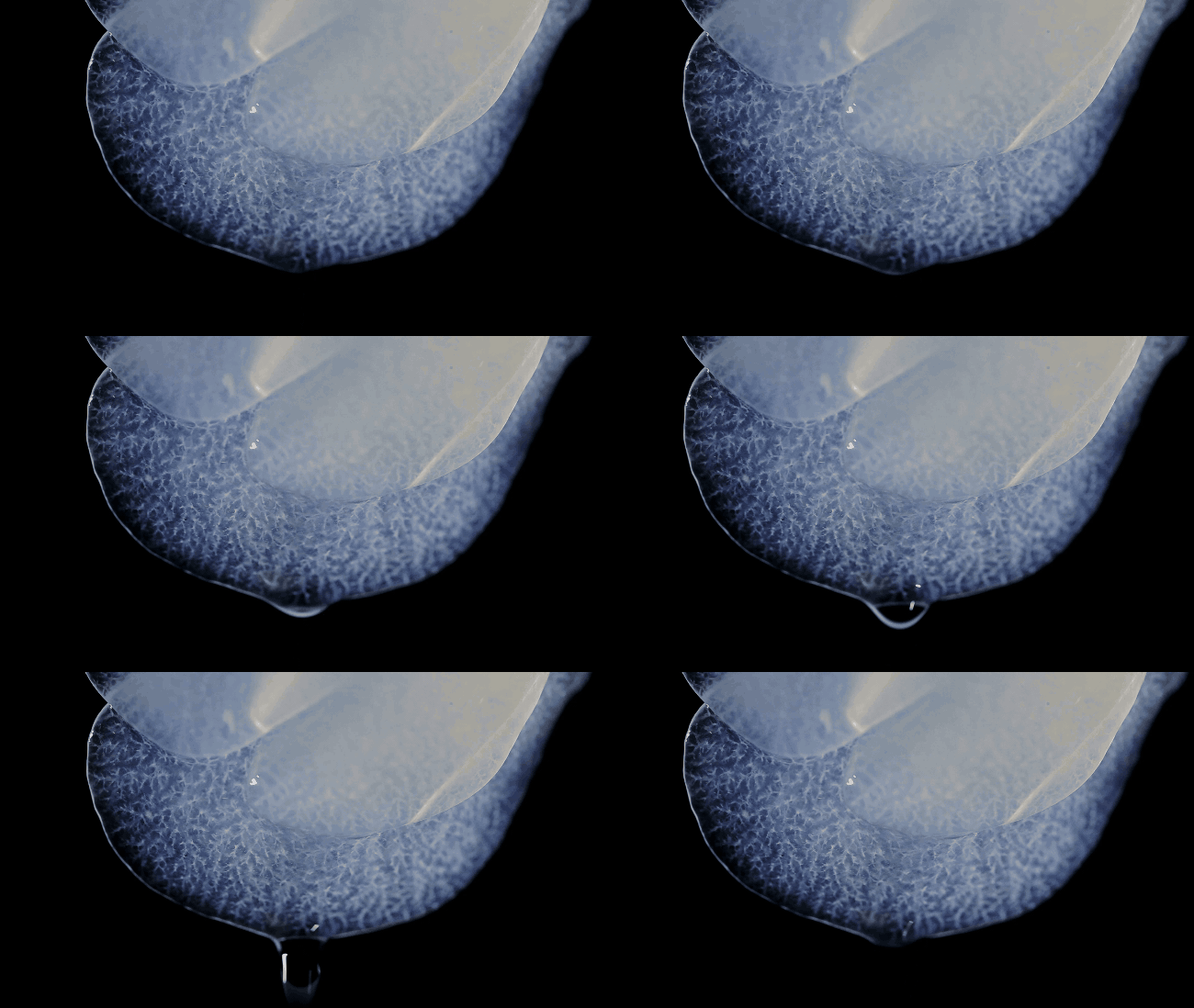
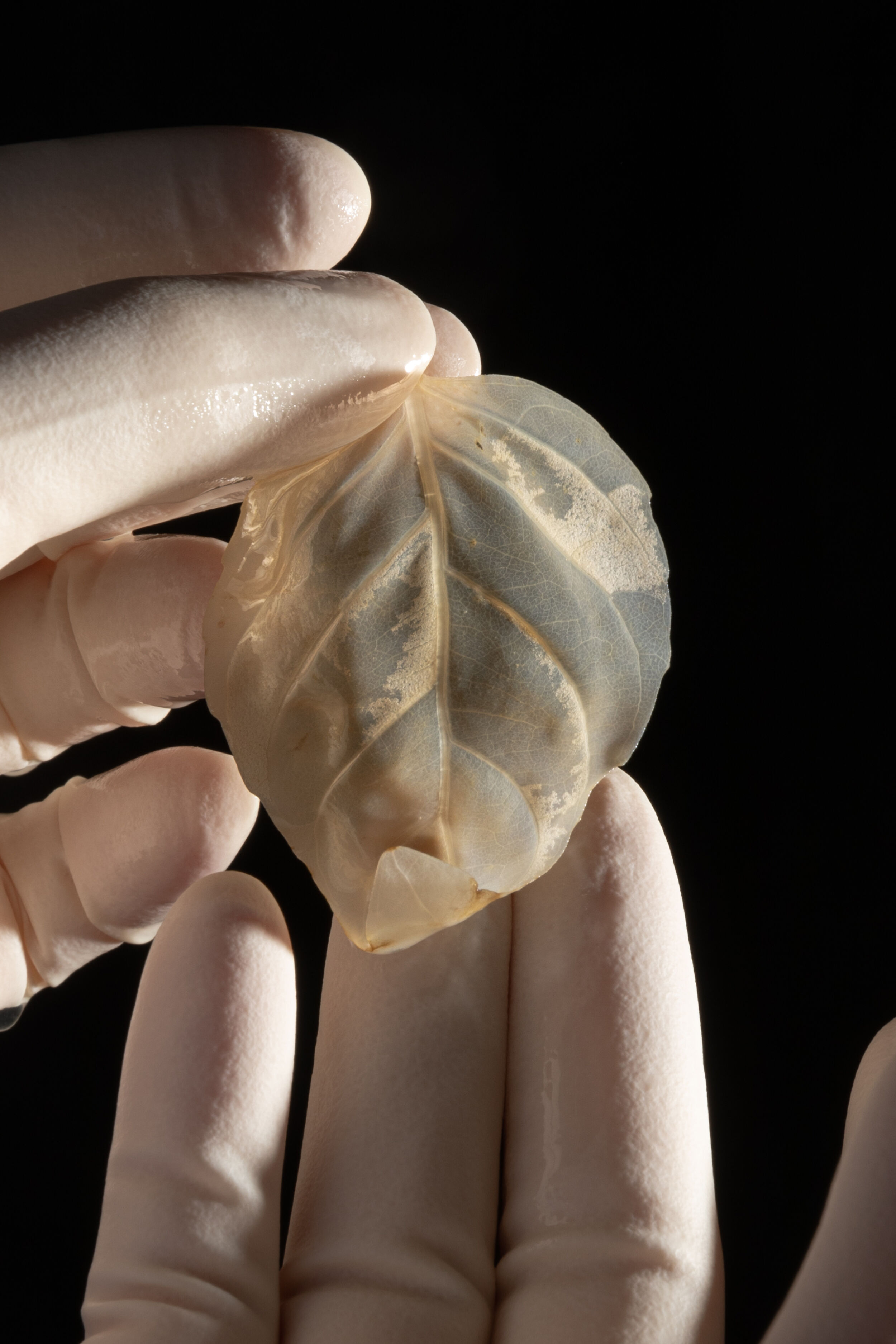


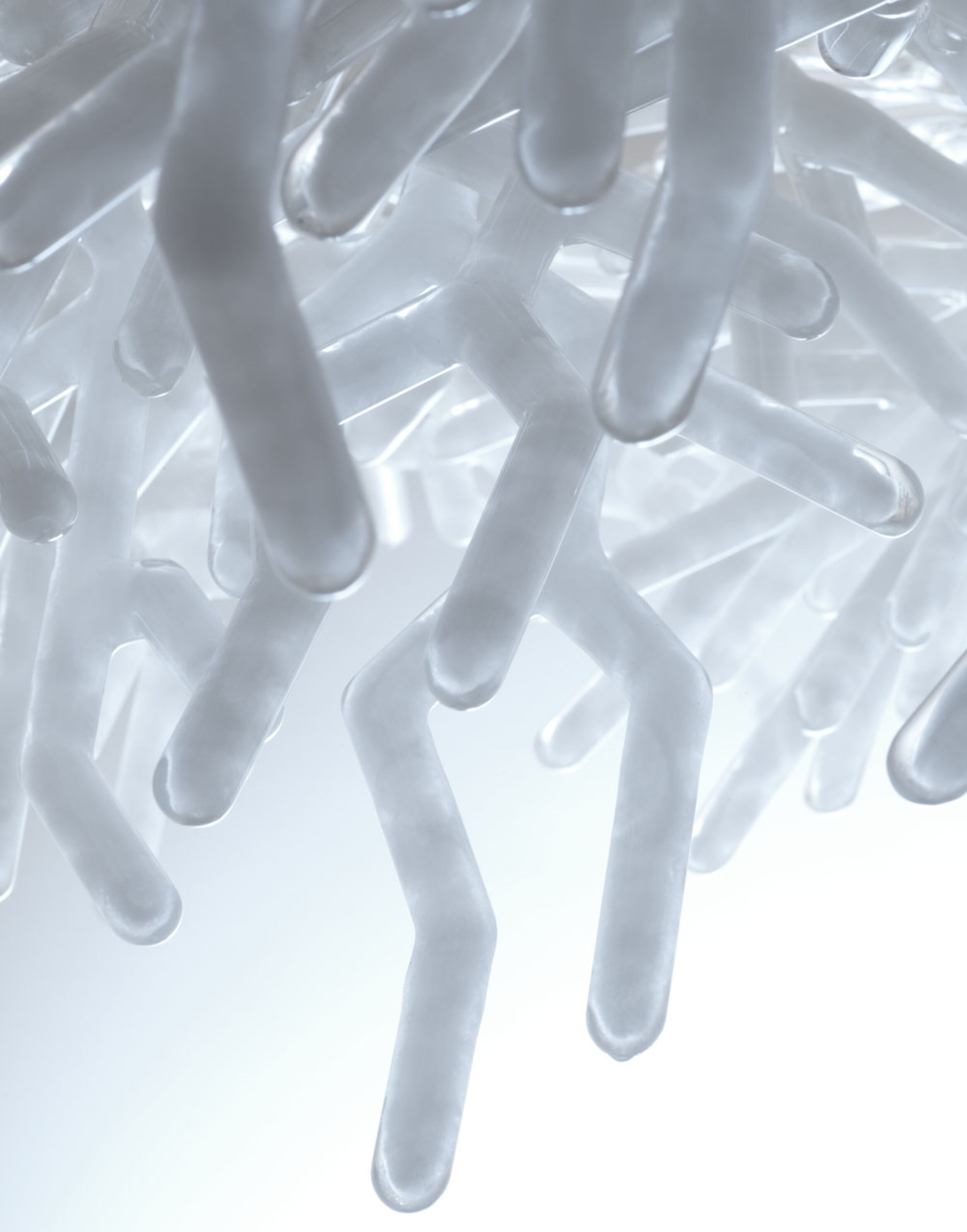

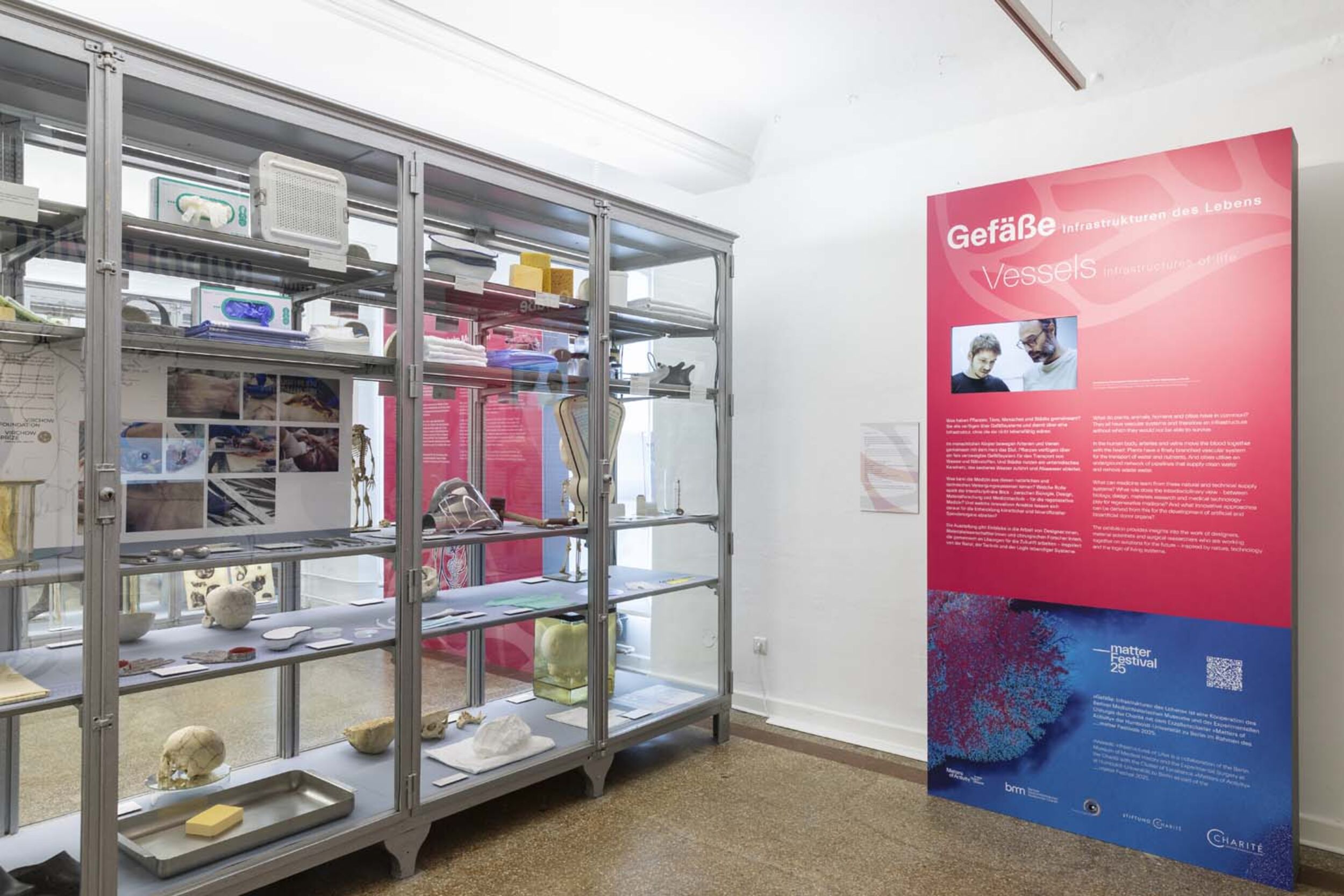
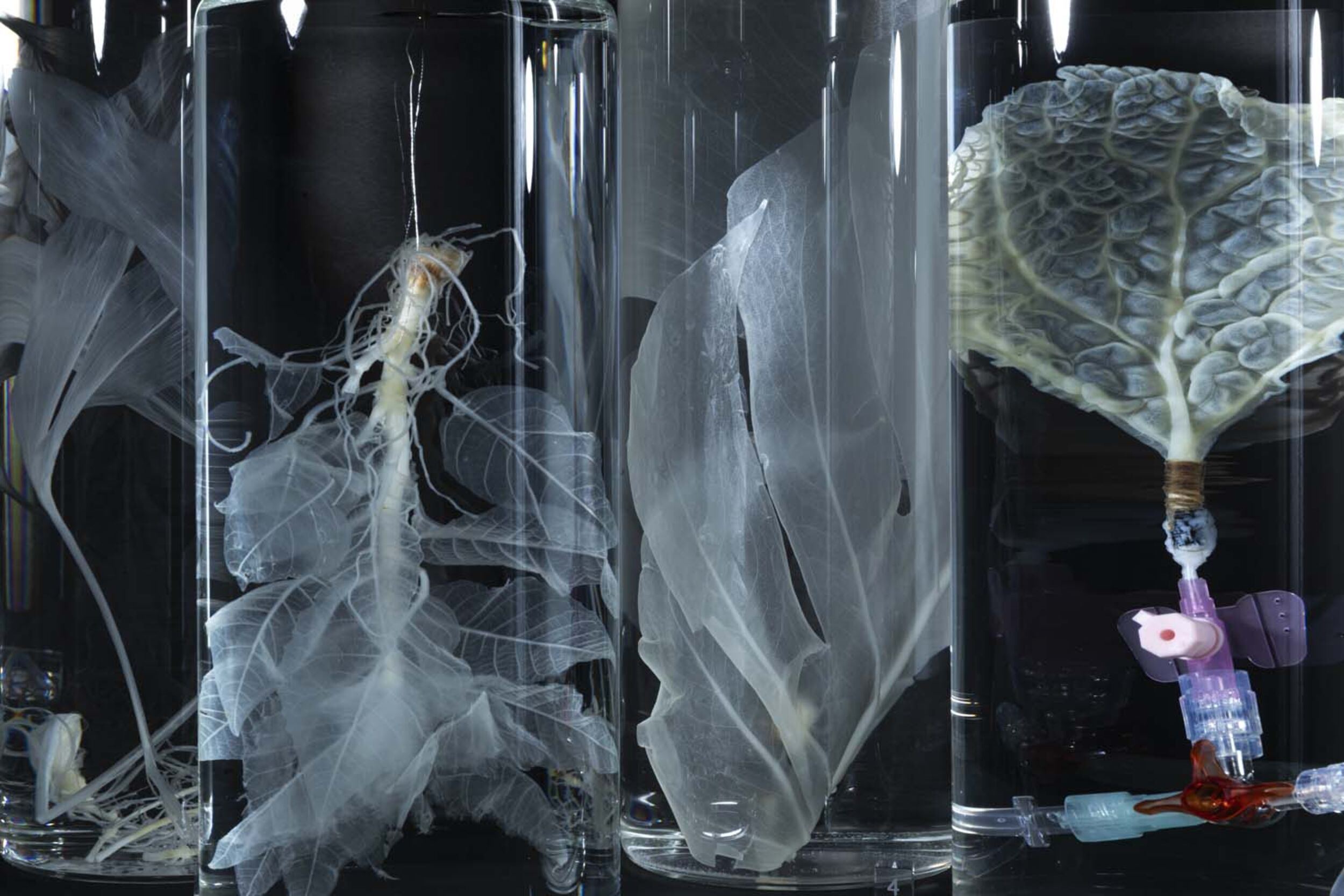
What do plants, animals, humans and cities have in common? They all have vascular systems and, therefore, an infrastructure without which they would not be able to survive.
In the human body, arteries and veins move the blood together with the heart. Plants have a finely branched vascular system for the transport of water and nutrients. And cities utilize an underground network of pipelines that supply clean water and remove wastewater.
What can medicine learn from these natural and technical supply systems? What role does the interdisciplinary view - between biology, design, materials research and medical technology - play in regenerative medicine? And what innovative approaches can be derived from this for the development of artificial and bioartificial donor organs?
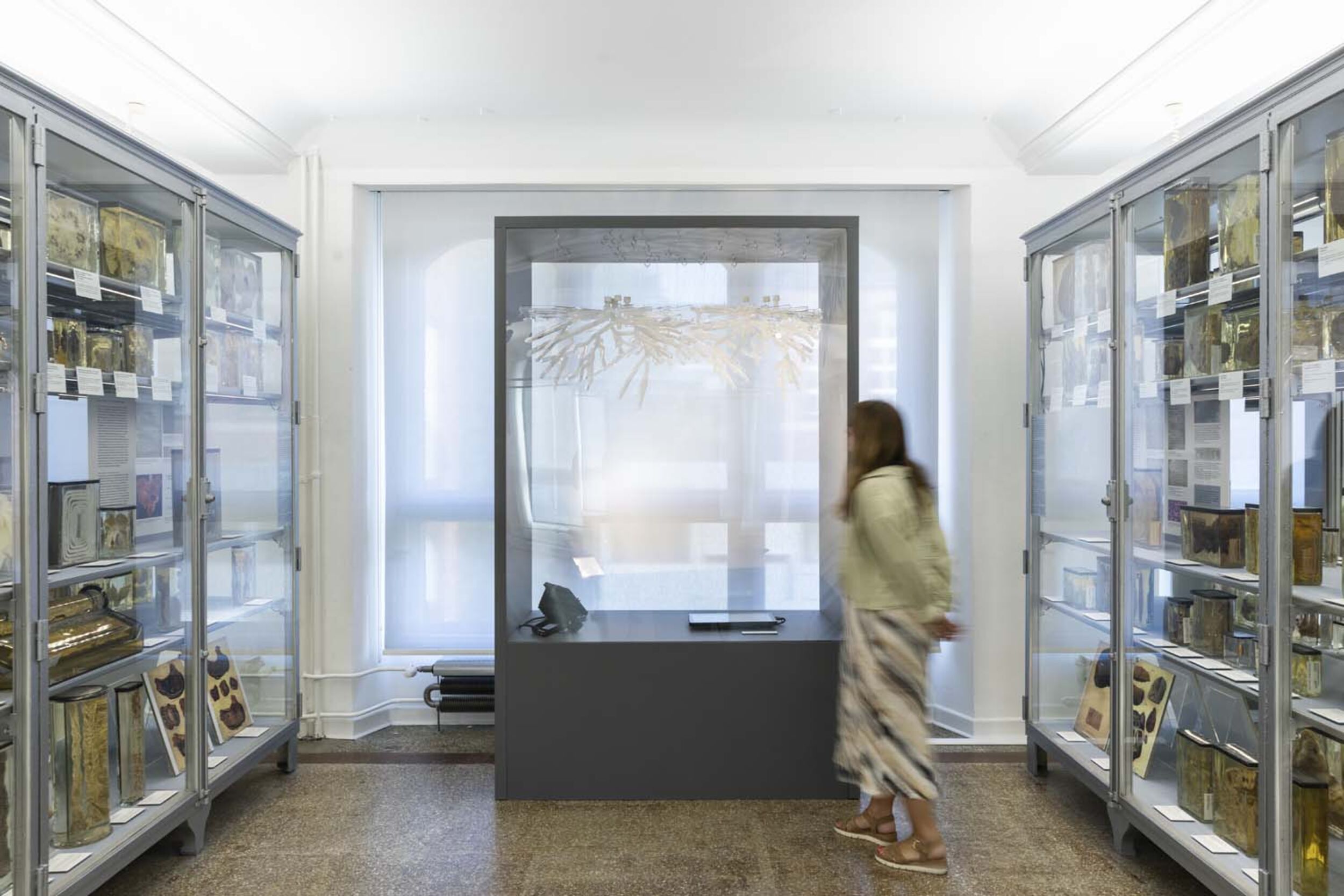
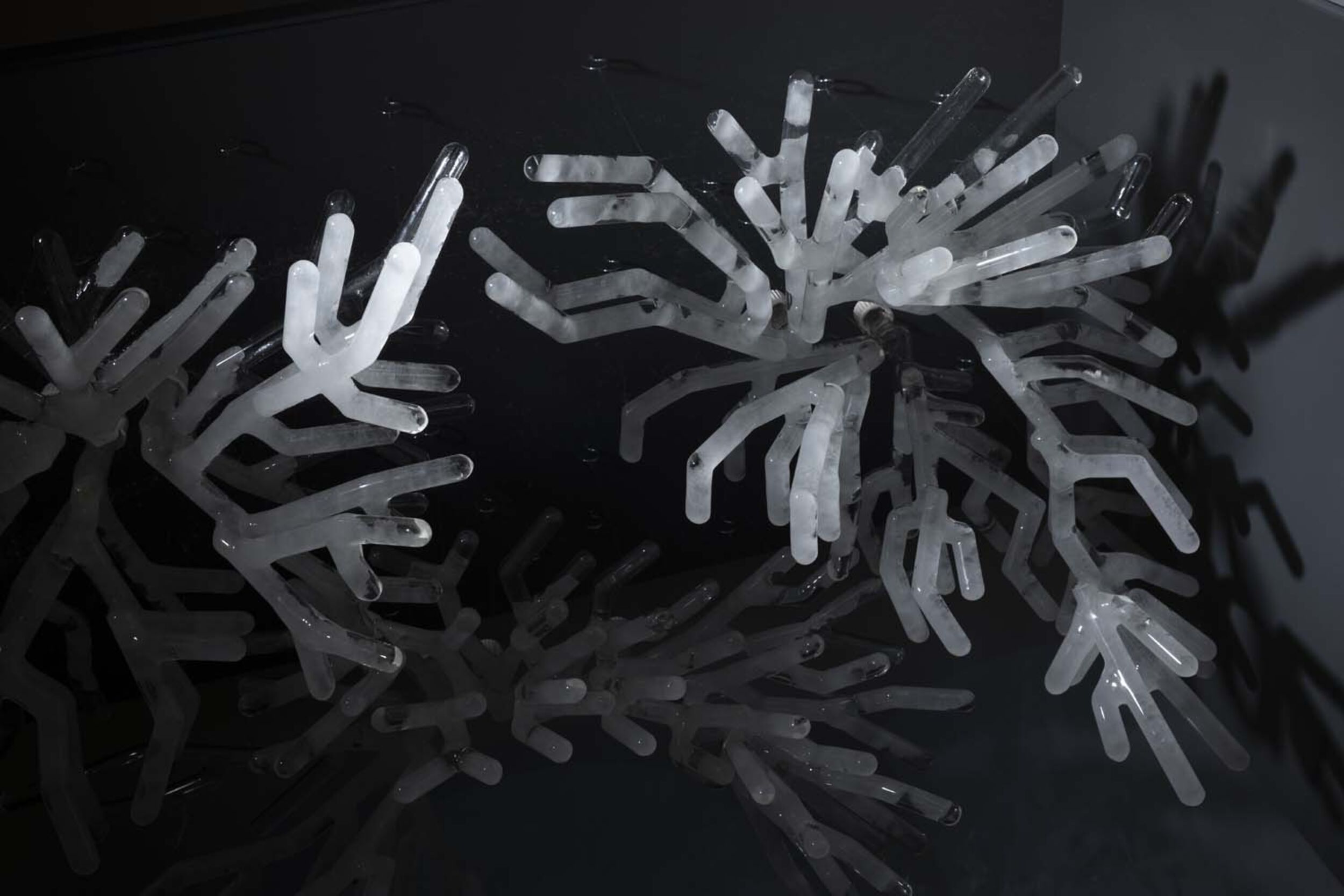
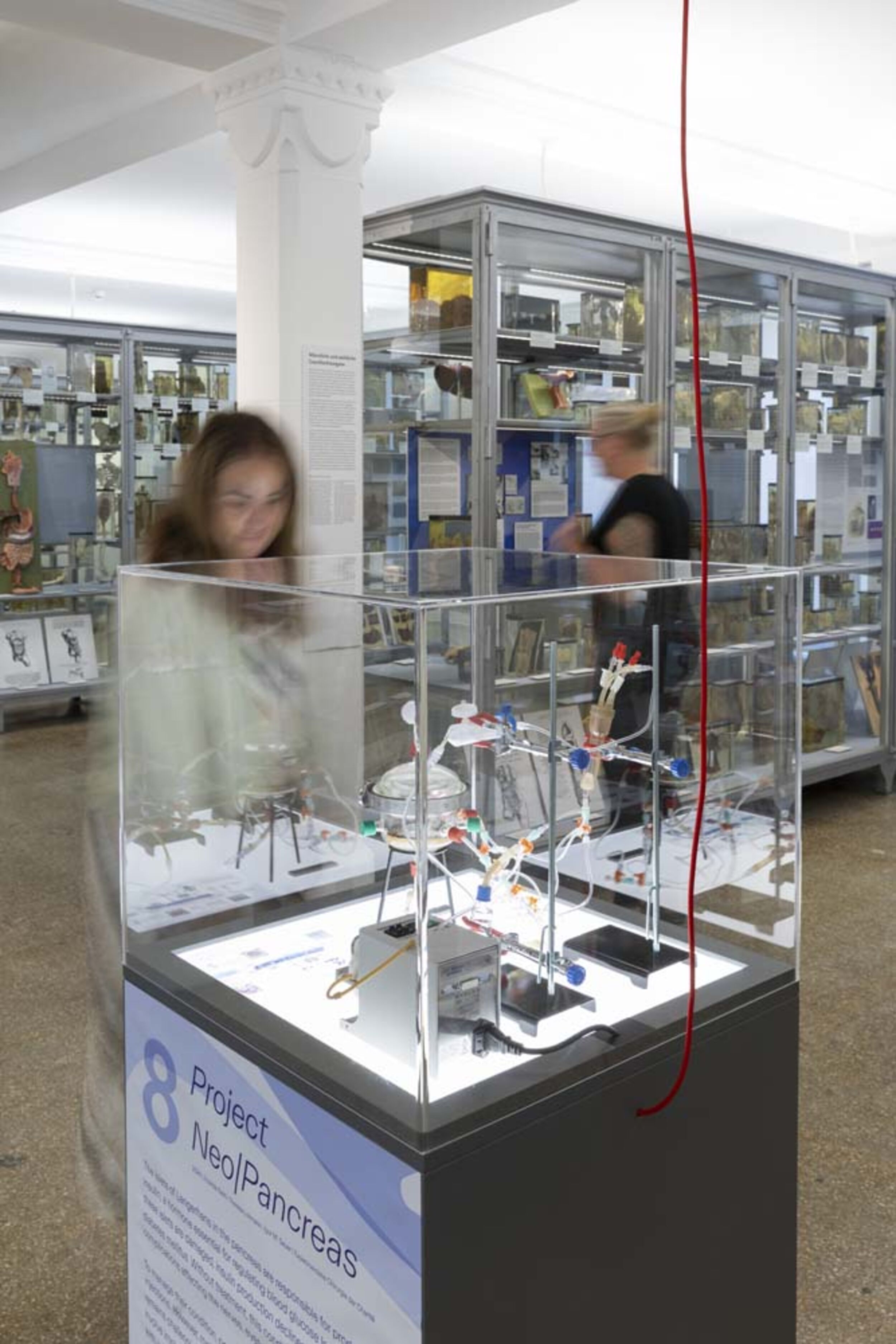
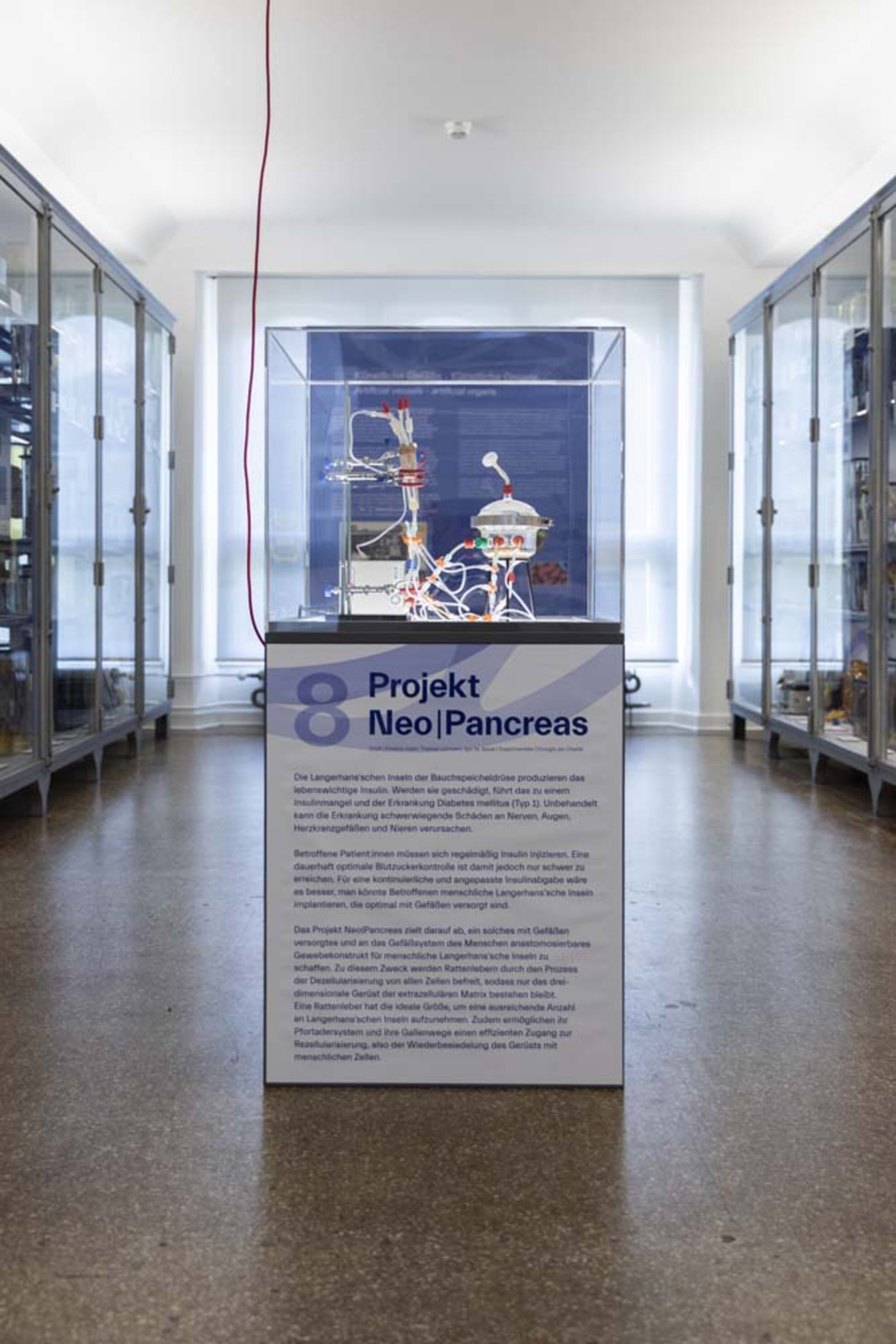
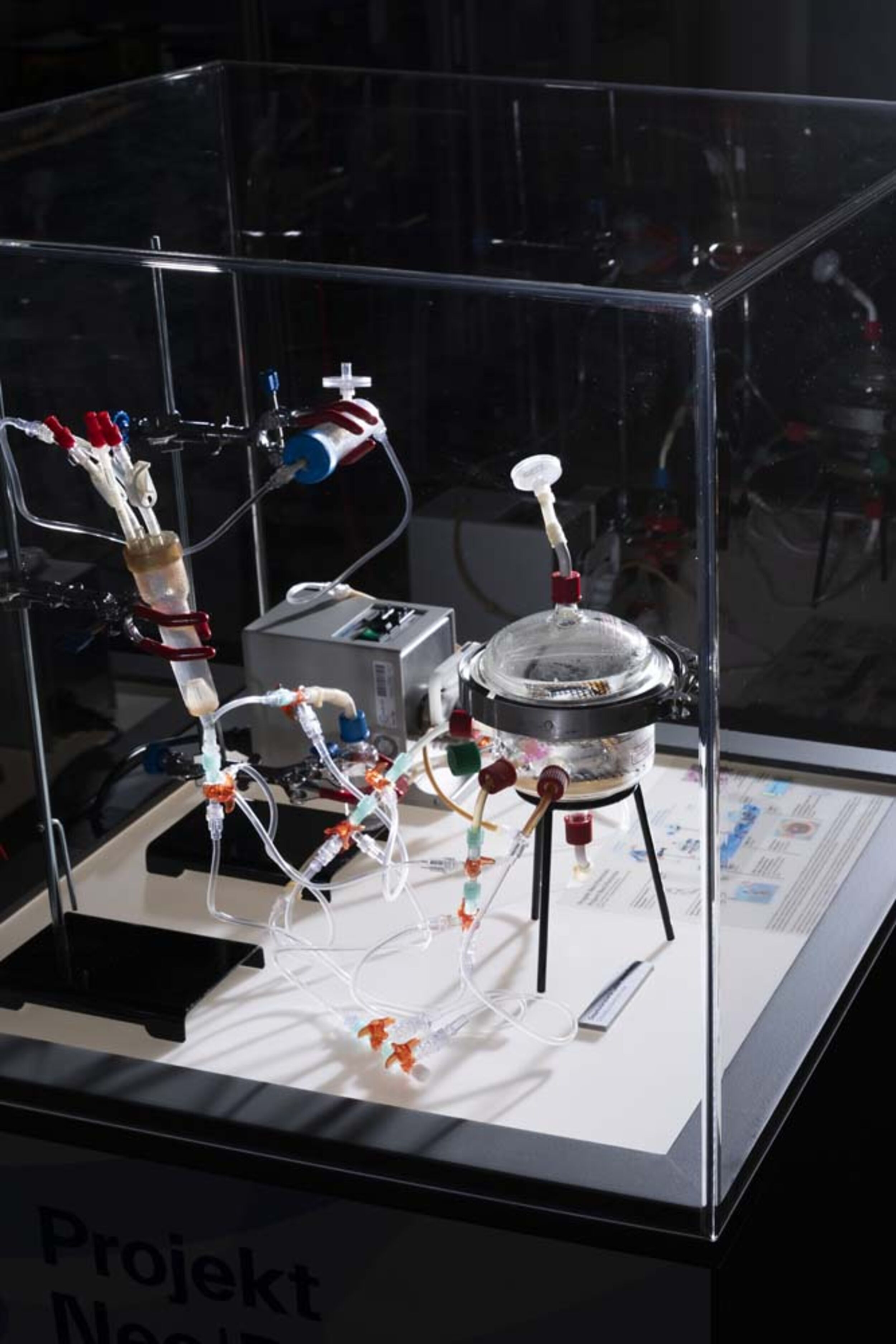
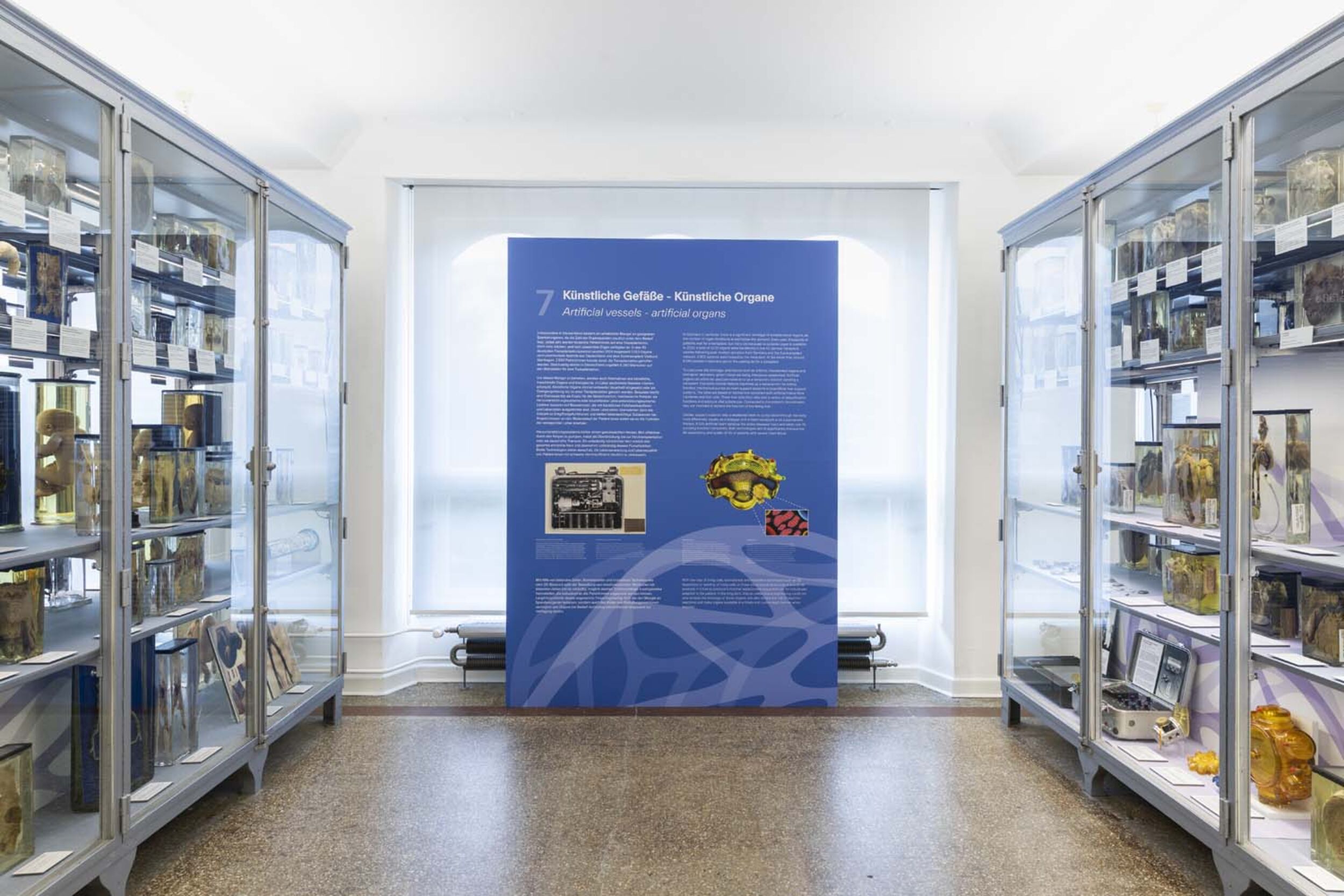
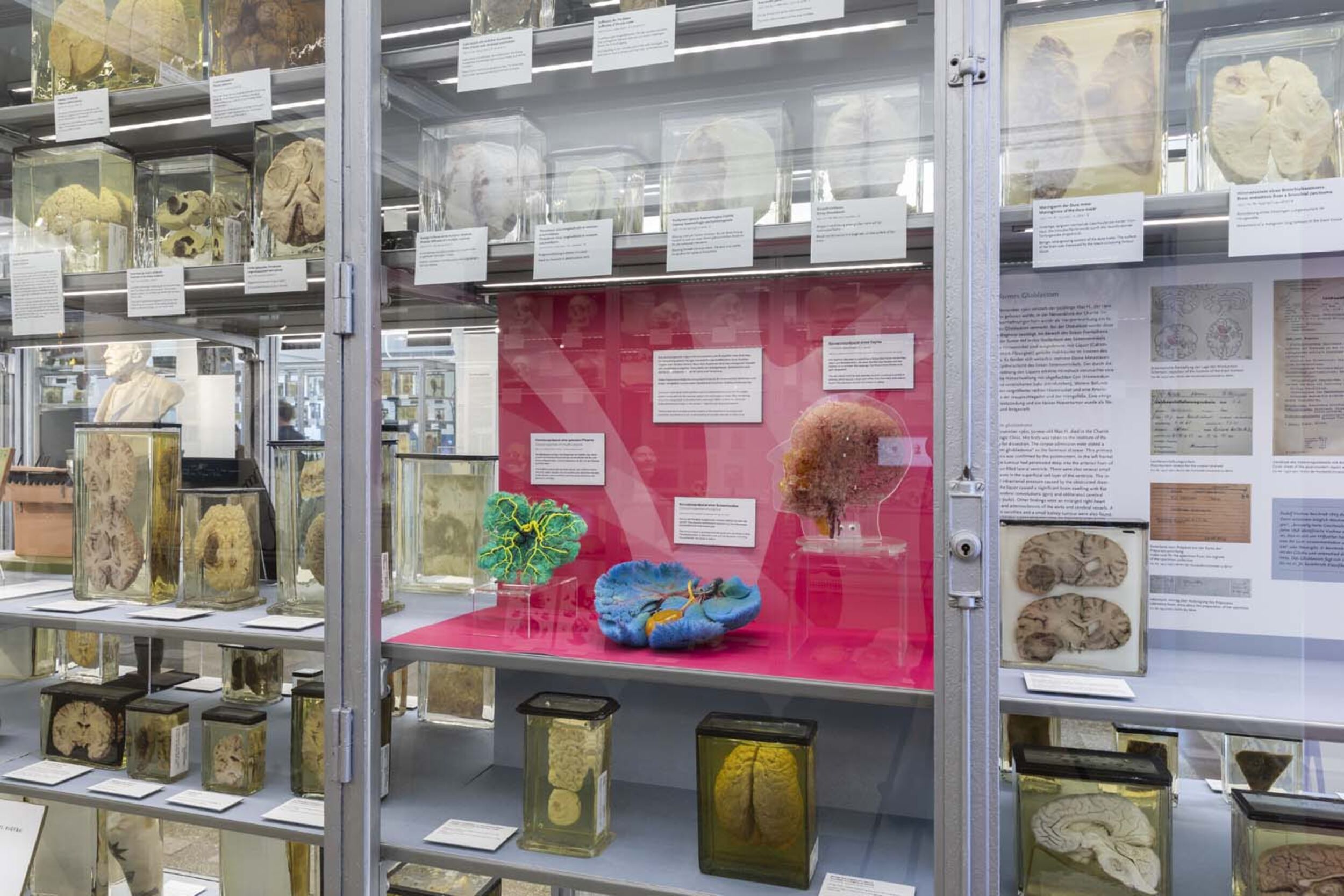
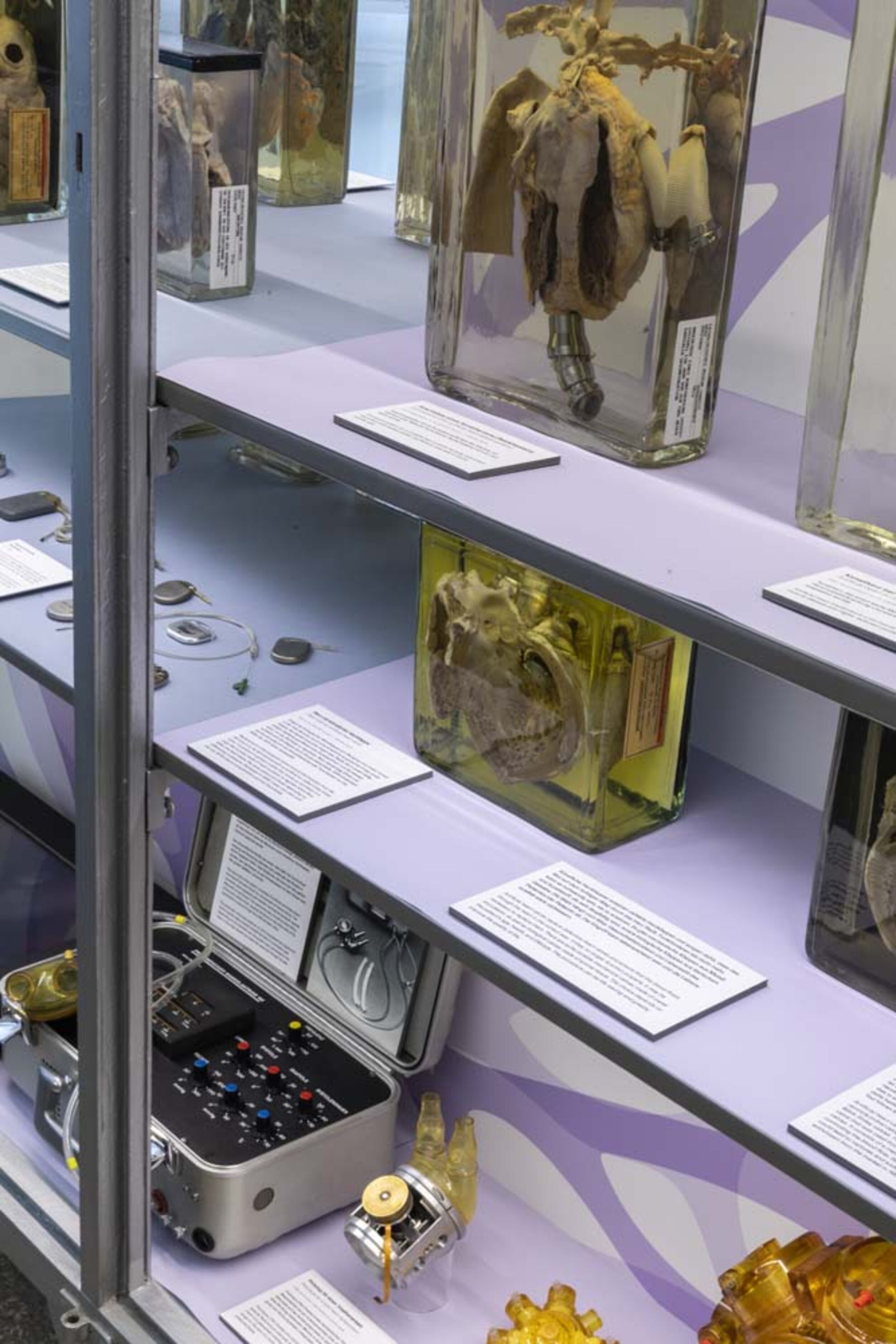
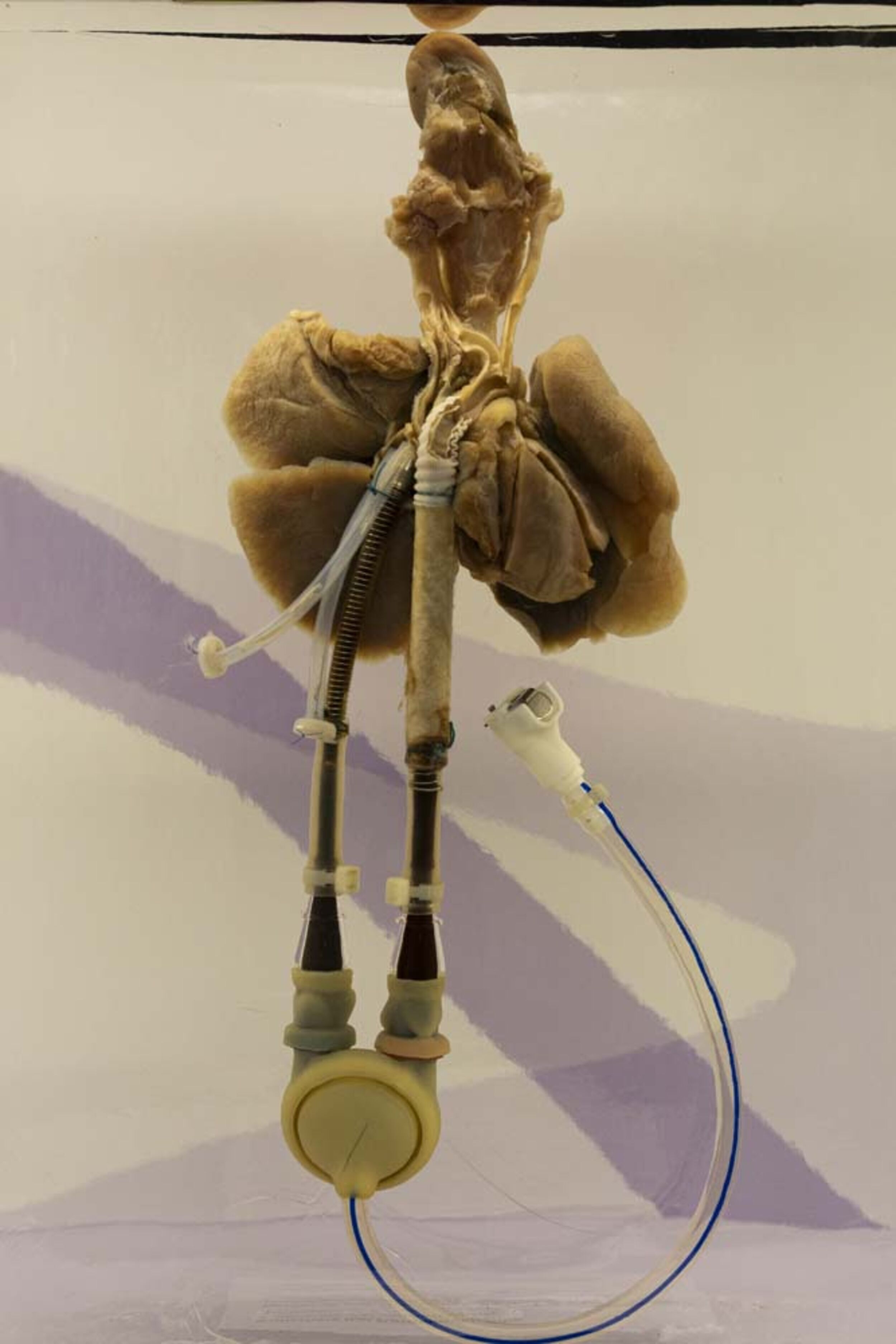
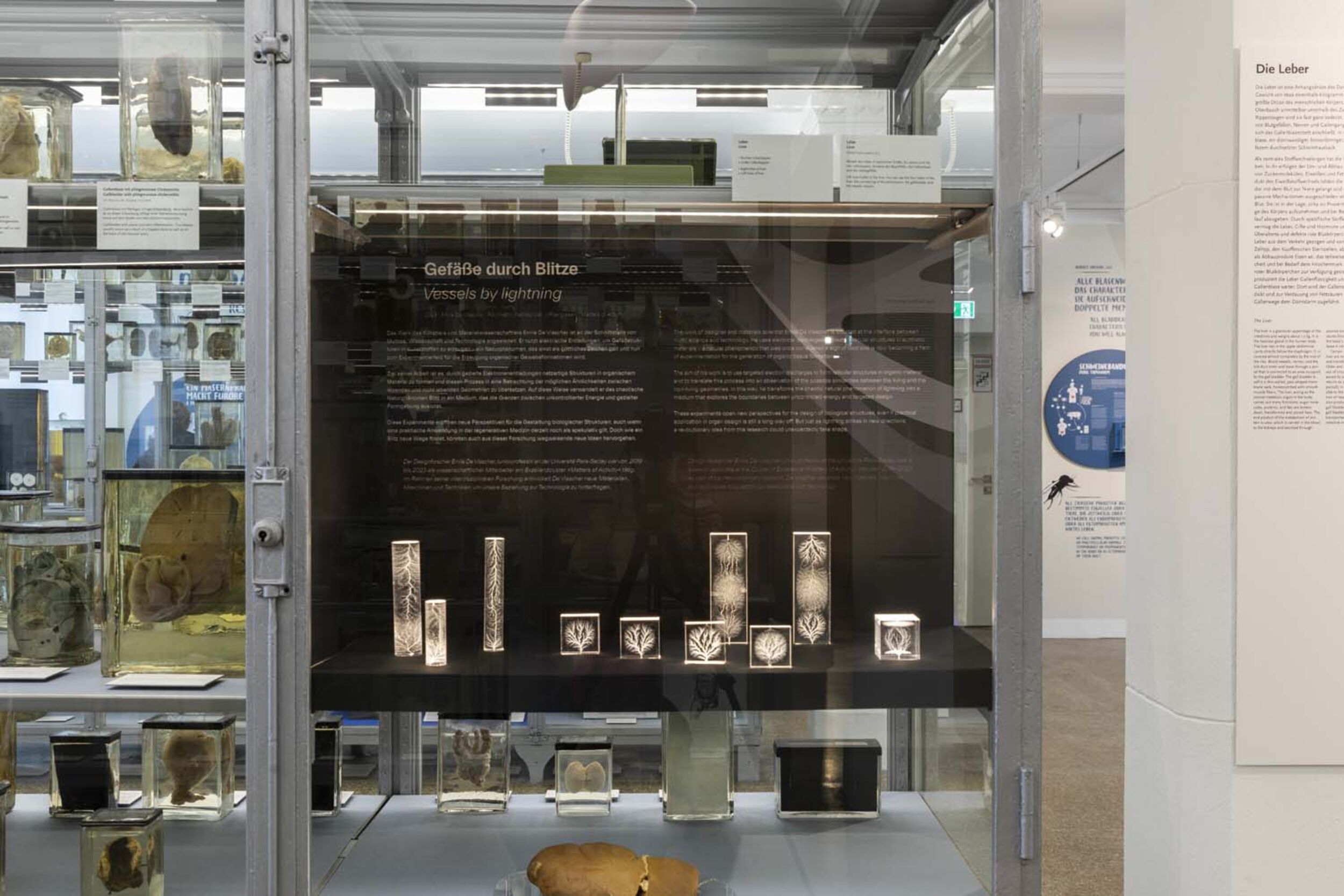
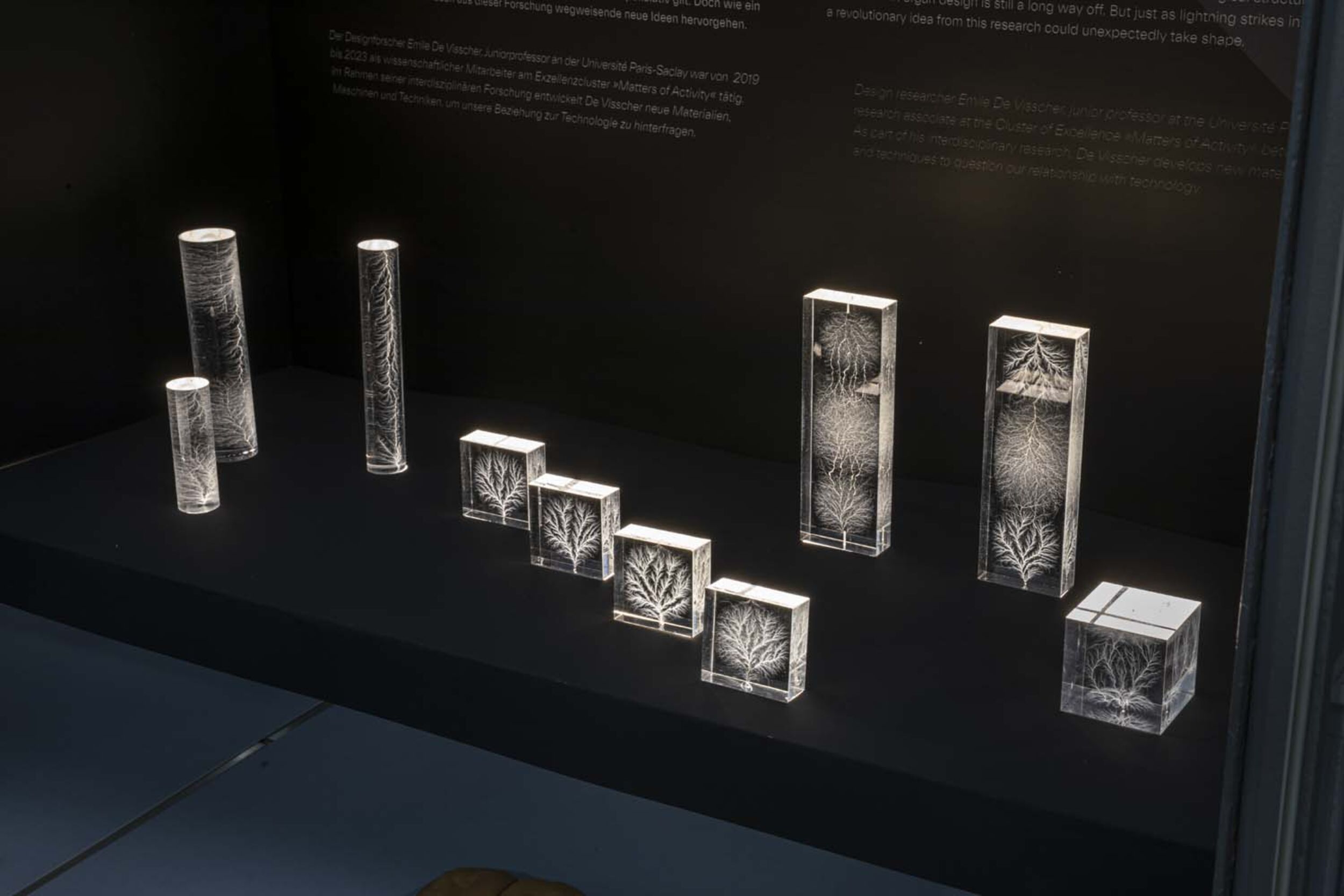
The special exhibition »Gefäße – Infrastrukturen des Lebens« (Vessels – Infrastructures of Life) at the Berlin Museum of Medical History at the Charité provides insights into the work of designers, material scientists and surgical researchers who are working together on solutions for the future – inspired by nature, technology and the logic of living systems.
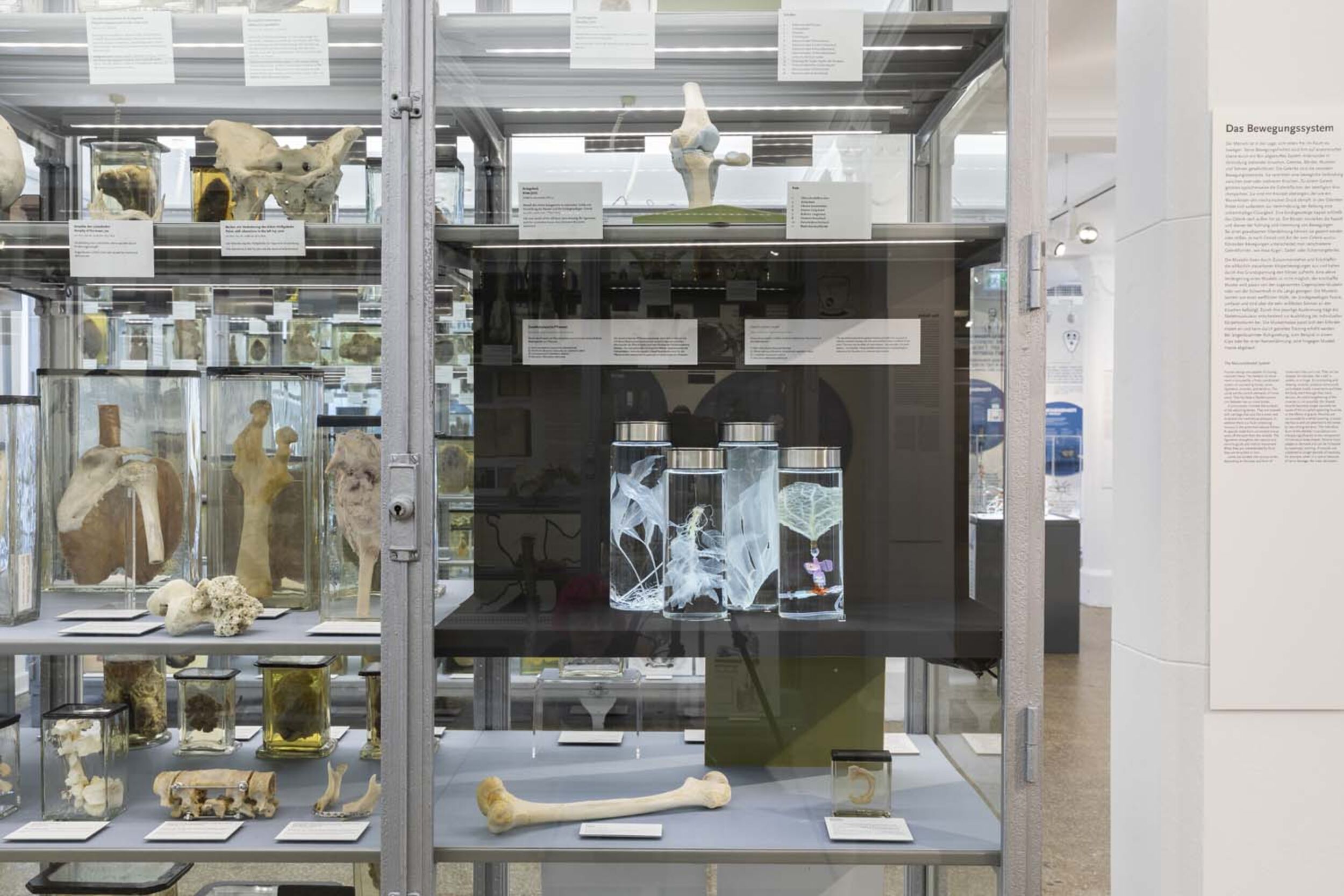
It shows how these vessels function and how they can be visualized, used and reproduced. From exhibits on transplantation and regenerative medicine to examples of architecture and design, the exhibition offers exciting insights into these often-hidden structures. Surgical procedures, in general, and transplant surgery, in particular, are inconceivable without the consideration of macro- and microscopic vessels. Vascular structures also play a central role in the field of regenerative medicine and tissue engineering. The exhibits correspond with those in Virchow’s collection of specimens. A particular focus lies on the connections between natural vessels and human-made networks, such as the regulation of temperature in buildings or the water and wastewater supply in cities.
Discover how vessels shape life in all its forms!
The work of the team around Igor Sauer was recently featured in a German ARTE documentary. The documentary takes a fascinating look at the latest developments in artificially created organs and can be watched in full length here:
https://www.arte.tv/de/videos/117722-000-A/ein-herz-auf-bestellung/
Press
Tagesspiegel, Alice Ahlers, 19 June 2025: »Frischer Blick auf die Röhren, ohne die nichts läuft: Ausstellung zeigt Gefäße in Mensch, Pflanze und Stadt«
https://www.tagesspiegel.de/wissen/frischer-blick-auf-die-rohren-ohne-die-nichts-lauft-ausstellung-zeigt-gefasse-in-mensch-pflanze-und-stadt-13873132.html
radioeins, Sondersendung Lange Nacht der Wissenschaften, 28 June 2025: »Gefäße. Infrastrukturen des Lebens«
https://www.radioeins.de/programm/sendungen/sondersendung/lange-nacht-der-wissenschaften/2025/infrastrukturen-des-lebens.html
Credits
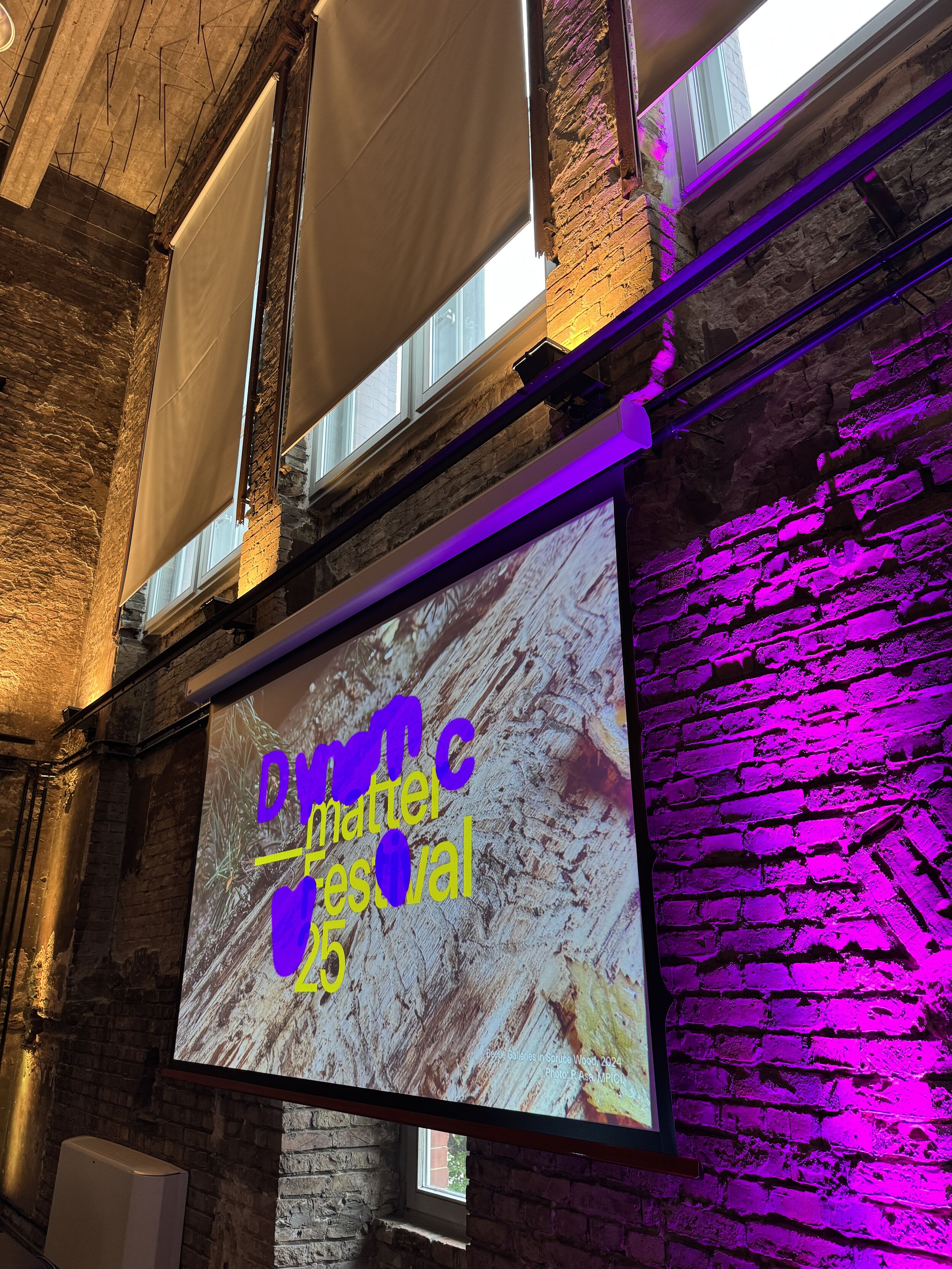
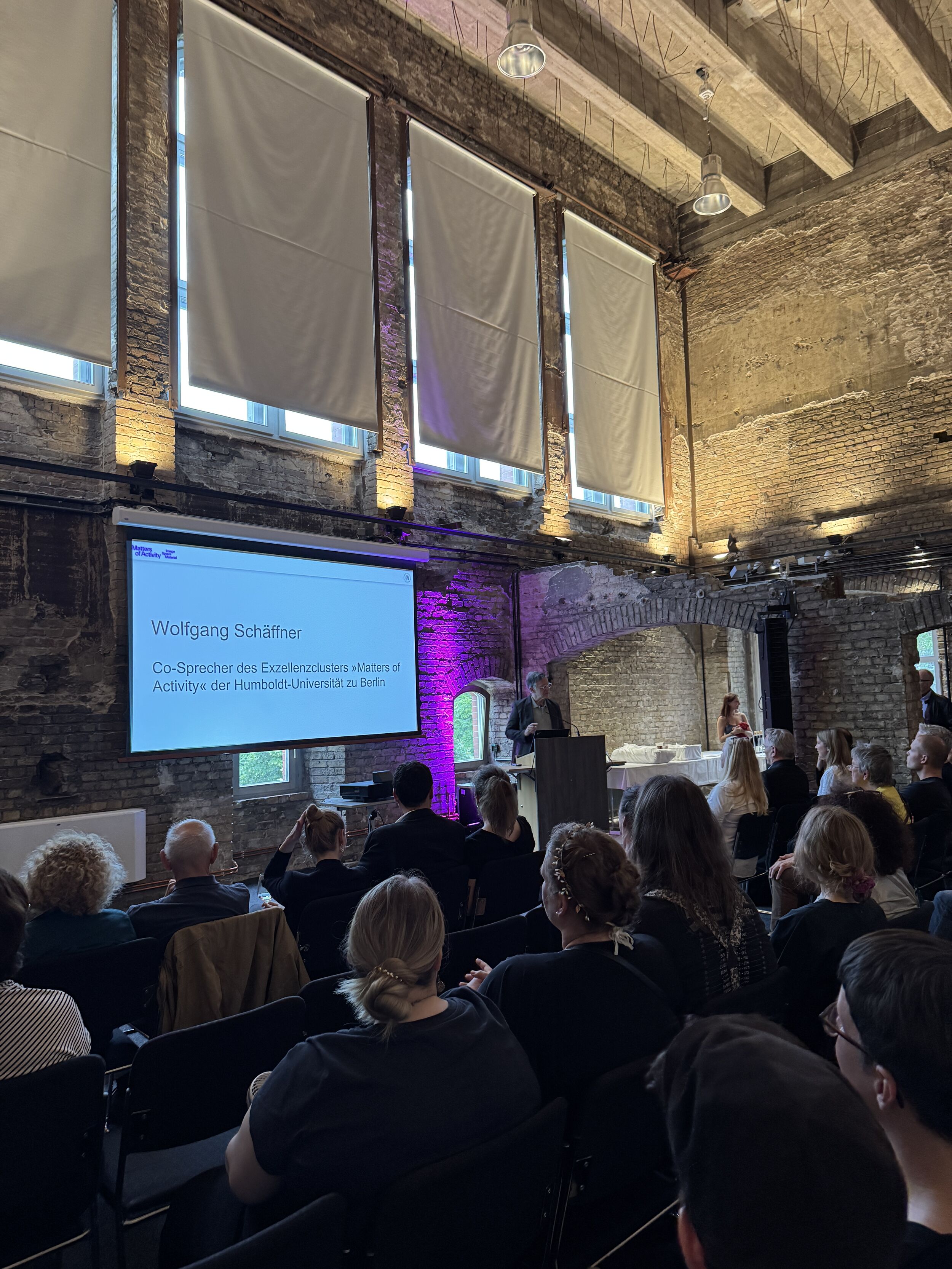
»Vessels: Infrastructures of Life« is a collaboration of the Berlin Museum of Medical History and the Department of Experimental Surgery at the Charité with the Cluster of Excellence »Matters of Activity« at Humboldt-Universität zu Berlin as part of the _matter Festival 2025. The accompanying program has been generously supported by the Stiftung Charité.
As a public museum of the Charité, the Berlin Museum of Medical History at the Charité provides visitors with fascinating insights into the development of medicine over the last 300 years. The permanent exhibition contains a large number of medical instruments, specimens, moulages and models of the human body. The centerpiece of the museum is the so-called specimen room with 750 pathological-anatomical wet and dry specimens, which can be traced back to the passion for collecting of the famous pathologist Rudolf Virchow.
Team Credits
Curation: Igor Sauer & Navena Widulin
With Contributions by: Assal Daneshgar, Emile De Visscher, Frédéric Eyl, Karl Hillebrandt, Eriselda Keshi, Theresa Lohman, Dietrich Polenz, Moritz Queisner, Iva Rešetar and Igor Sauer
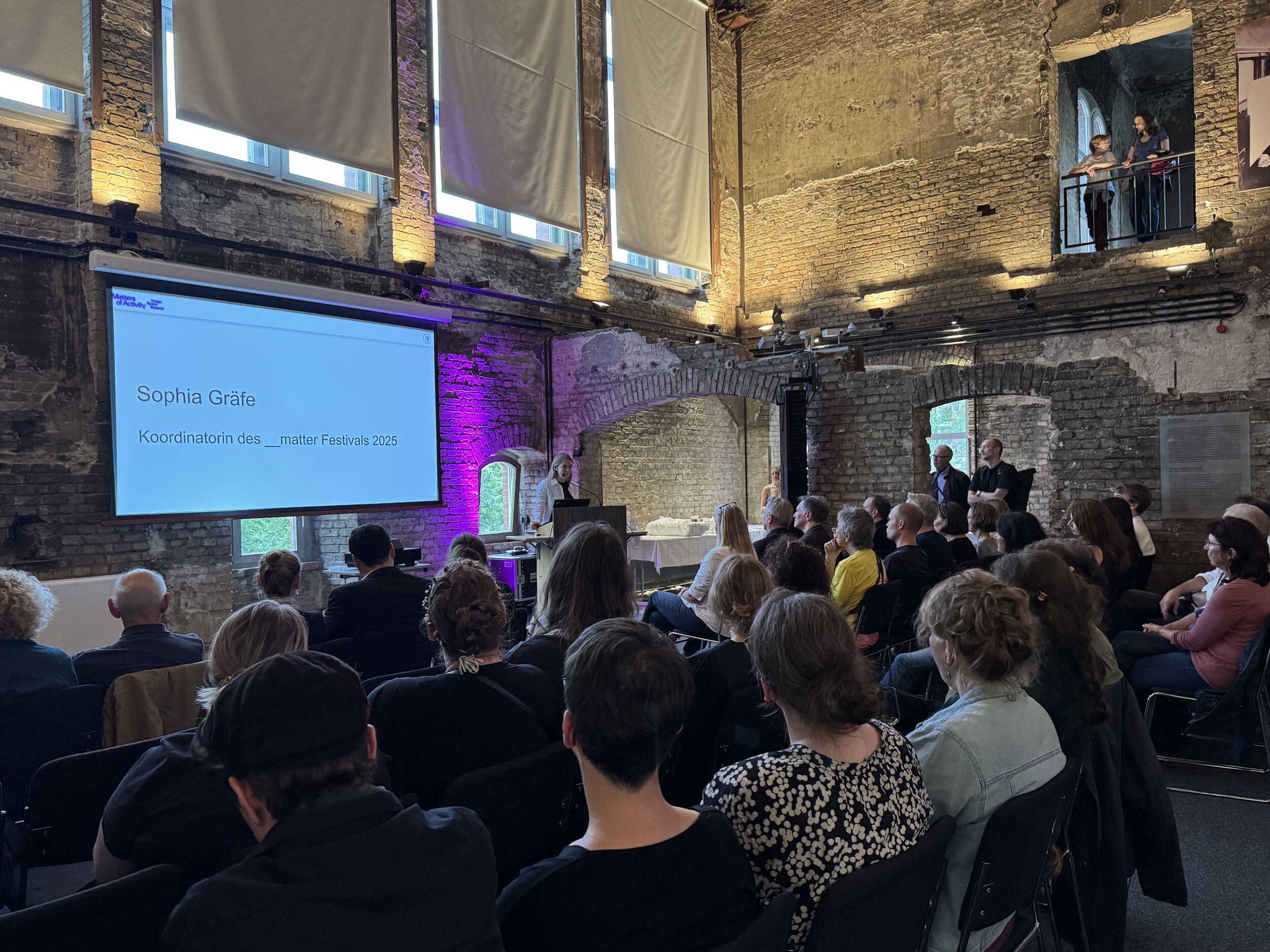
Coordination: Sophia Gräfe
Collection Assistant: Fatima Lamrini
Production and Design: Julia Blumenthal, Mareen Baumeister, Nick Geipel & Nicholas Plunkett
Finances: Sandra Bauer
Public Relations: Antje Nestler and Carolin Ott
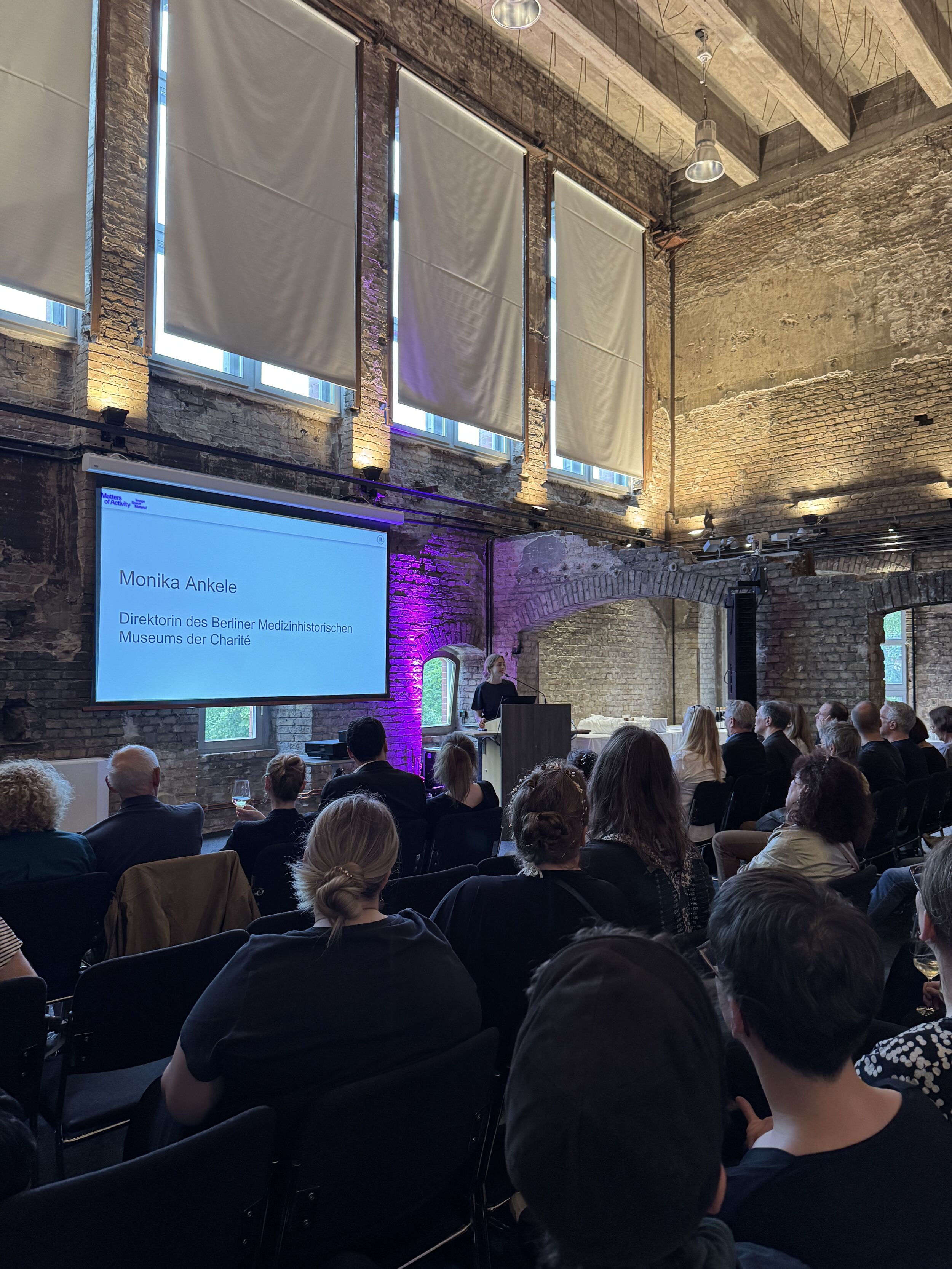
Editing: Igor Sauer, Navena Widulin and Monika Ankele
Proof Reading: Elisabeth Obermeier
Event Management: Isabel Coleman
Tours and Education: Nathalie Stelmach
Dates
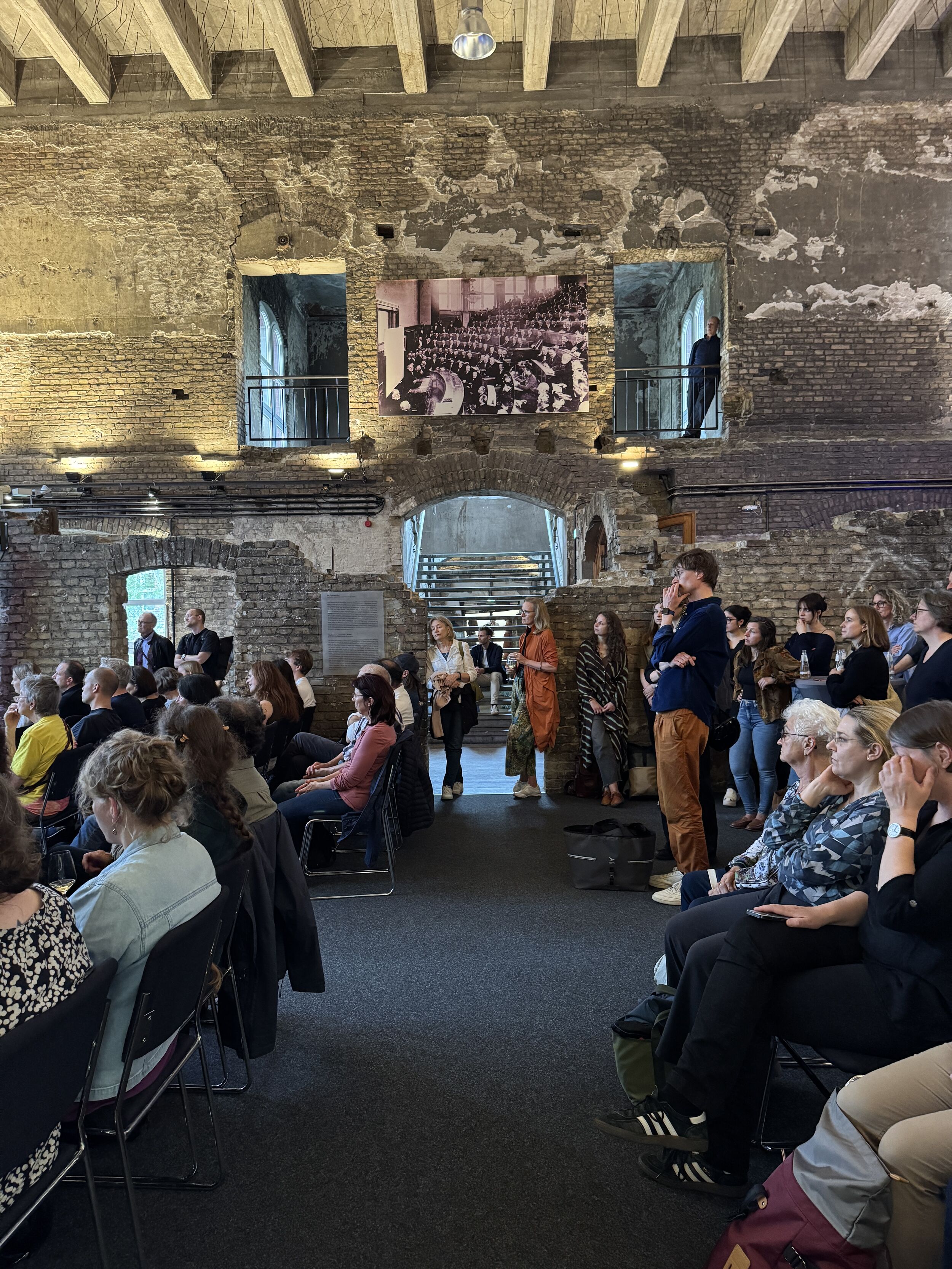
Vernissage: Wed, 4 June 2025, 7:00–10:00 pm
Exhibition: 5 June–12 October 2025
Opening Hours:
Tue, Thu, Fri, Sun: 10:00 am–5:00 pm
Wed, Sat: 10:00 am–7:00 pm
Mon: Closed
Public Program
Saturday, 28 June 2025, 7:00–8:00 pm
Lecture Hall Ruin, Virchowweg 16
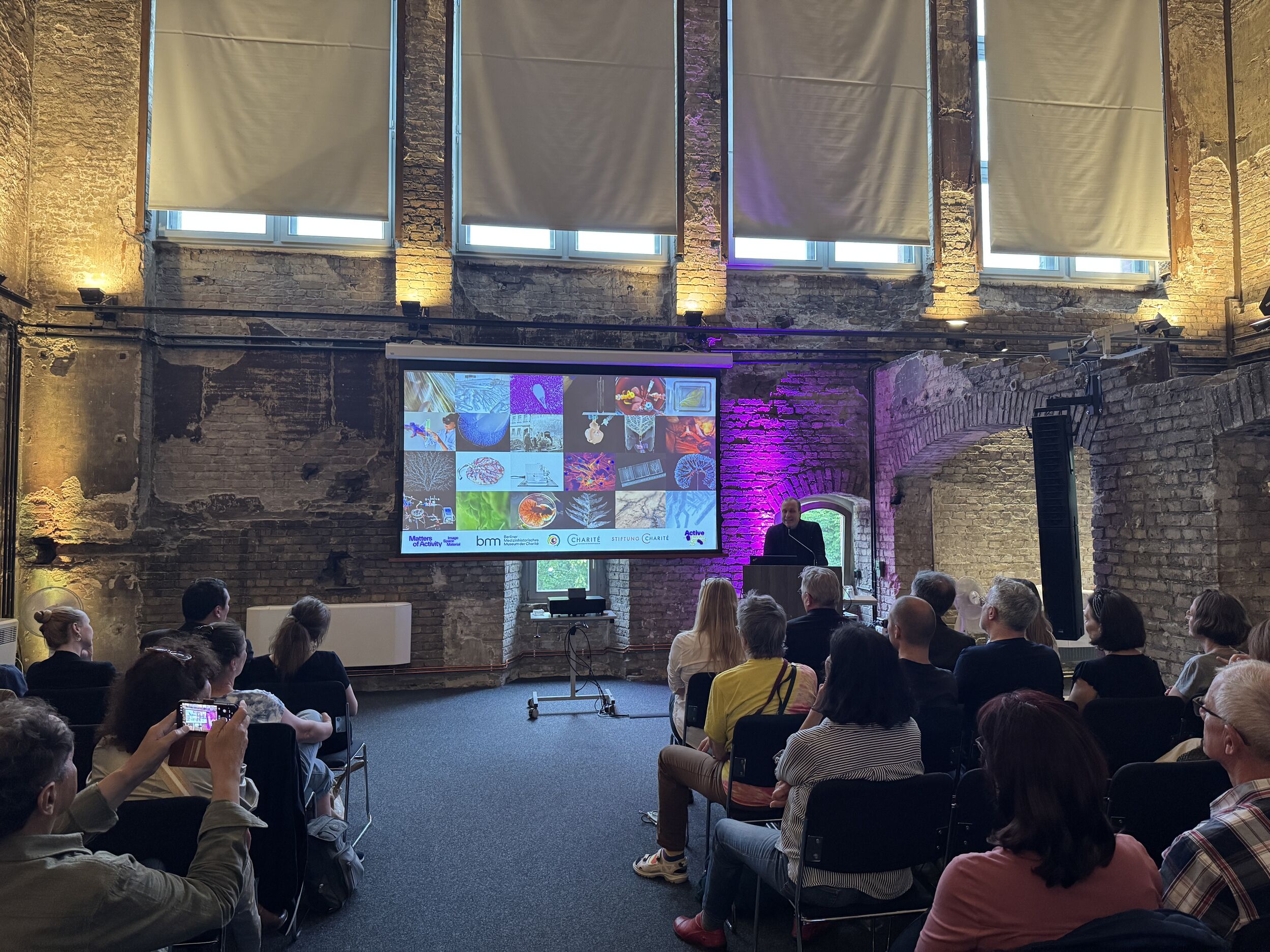
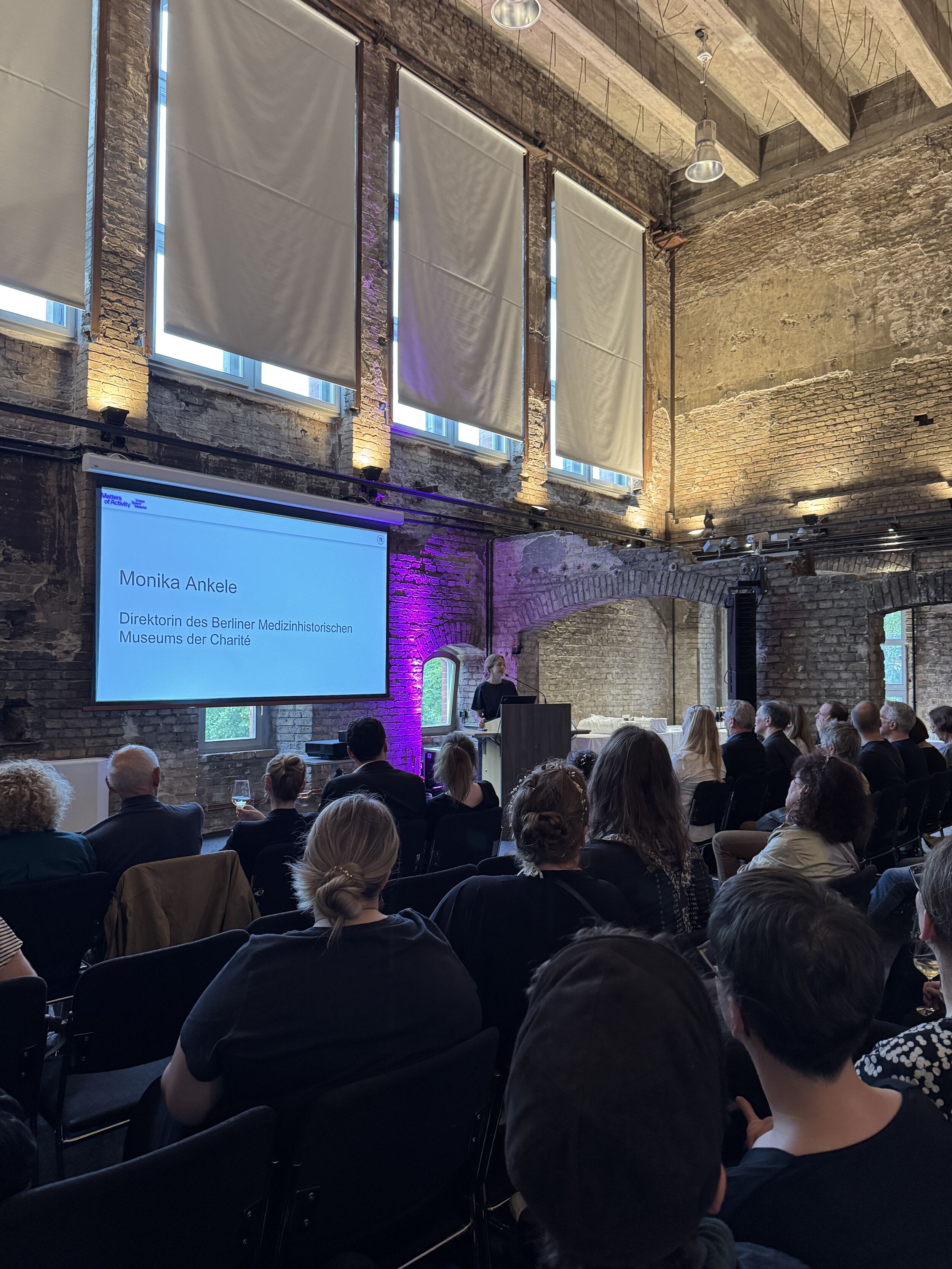
Presentation: Vessels. Infrastructures of Life (in German)
as Part of the Lange Nacht der Wissenschaften (LNDW) 2025 (language: German)
with Igor M. Sauer, Moritz Queisner, Eriselda Keshi, Assal Daneshgar and Iva Rešetar
Tickets for LNDW can be bought here:
https://www.langenachtderwissenschaften.de
Wednesday, 13 August 2025, 5:00–6:00 pm
Curatorial Tour with Igor Sauer and Navena Widulin (in German)
Tickets for the tour can be bought here:
https://bmm-charite.de/ausstellungen/kuratorinnenfuehrung-gefaesse-infrastrukturen-des-lebens
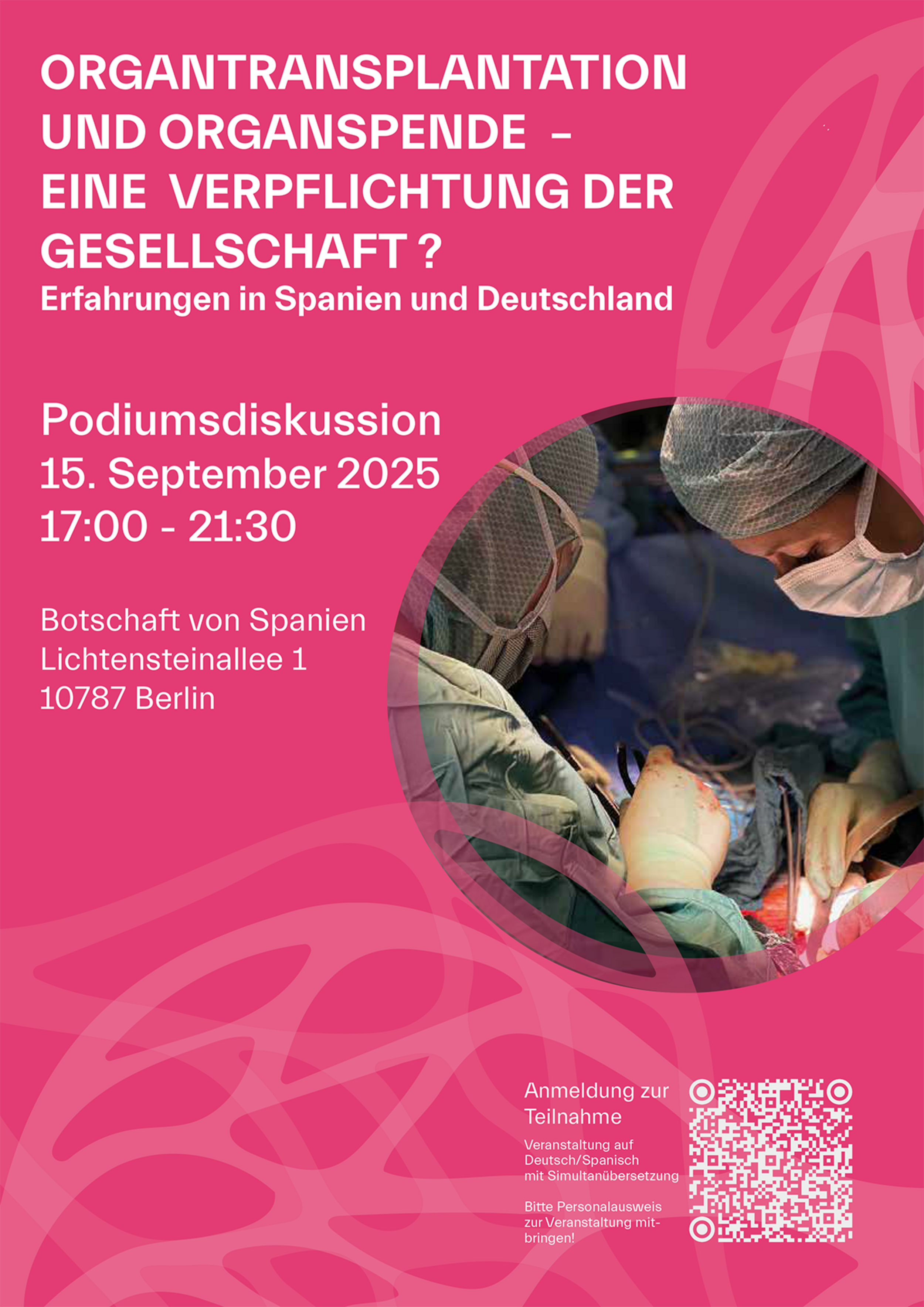
Monday, 15 September, 5:30–9:30 pm (in German)
Botschaft von Spanien in Deutschland
Lichtensteinallee 1, 10787 Berlin
Organtransplantation und Organspende – eine Verpflichtung der Gesellschaft? Erfahrungen in Spanien und Deutschland
Die Gefäßnaht – für die Alexis Carrel im Jahr 1912 den Nobelpreis für Physiologie oder Medizin erhielt – ist ein zentrales Element der chirurgischen Organtransplantation. Erst nachdem die immunologischen Hürden überwunden werden konnten, entwickelte sich die Organtransplantation zur Therapie der Wahl bei Organversagen im Endstadium. Trotz ihres lebensrettenden Potenzials steht diese Therapie in Deutschland nicht allen Patientinnen und Patienten zur Verfügung, denn aufgrund der geringen Spendebereitschaft mangelt es an Organen. Gemeinsam mit der Spanischen Botschaft in Berlin möchten wir dieses Thema vertiefen. Anhand der unterschiedlichen Erfahrungen in Spanien und Deutschland – zwei europäischer Länder mit sehr verschiedenen Ansätzen zur Organspende – wollen wir Chancen, Herausforderungen und mögliche Wege für mehr Spendenbereitschaft diskutieren. Expertinnen und Experten für Organtransplantationen aus beiden Ländern werden Unterschiede aufzeigen und mit dem Publikum diskutieren.
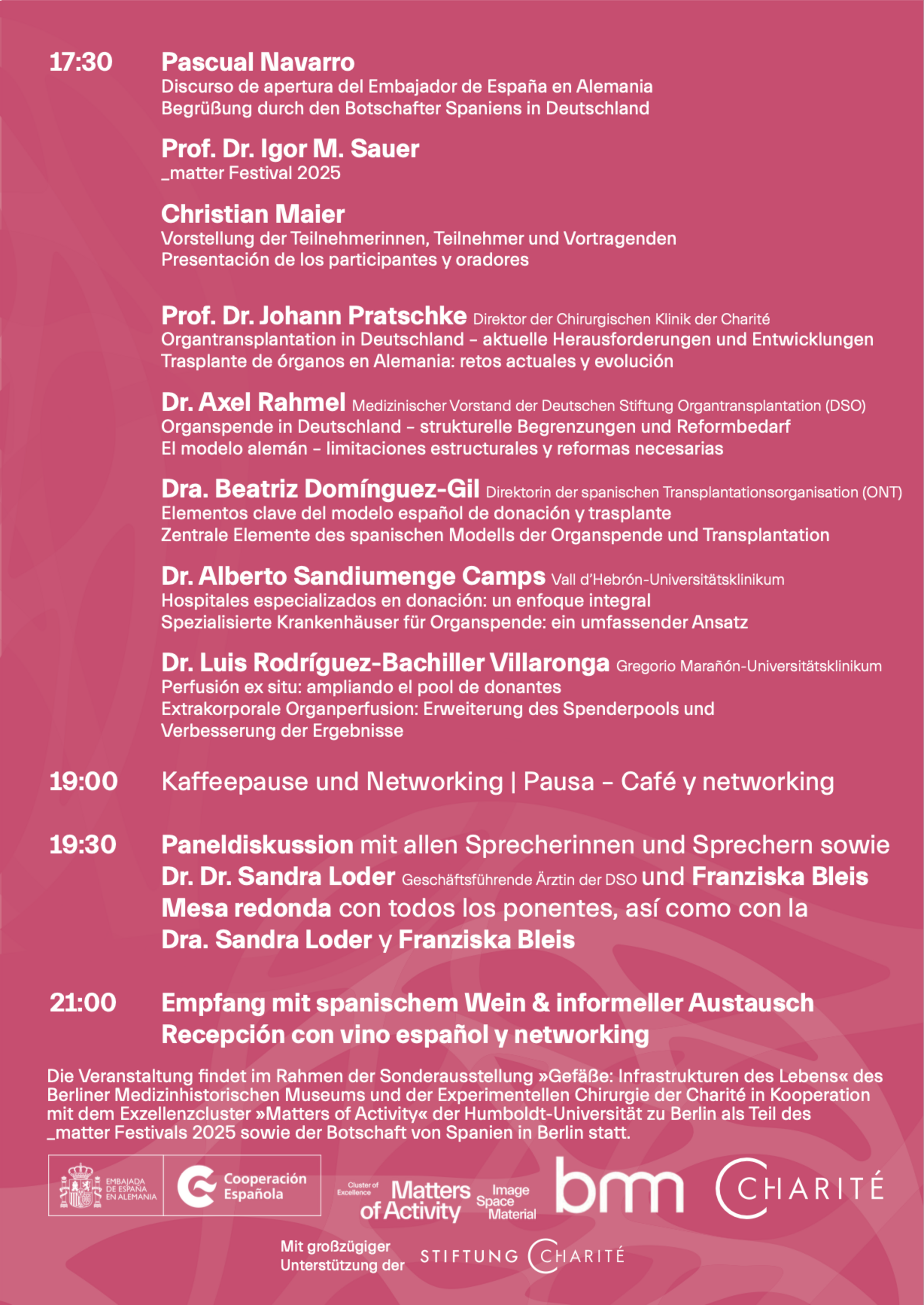
Dr. Beatriz Domínguez-Gil, Direktorin der spanischen Transplantationsorganisation (ONT)
Dr. Luis Rodríguez-Bachiller Villaronga, Gregorio Marañón-Universitätsklinikum
Dr. Alberto Sandiumenge Camps, Vall d’Hebrón-Universitätsklinikum
Dr. Axel Rahmel, Medizinischer Vorstand der Deutschen Stiftung Organtransplantation (DSO)
Dr. Dr. Sandra Loder, Geschäftsführende Ärztin Deutsche Stiftung Organtransplantation (DSO)
Franziska Bleis, Patientin
Prof. Dr. Johann Pratschke, Direktor der Chirurgischen Klinik der Charité
Moderator: Christian Maier
Die Veranstaltung findet in deutscher und spanischer Sprache statt, mit Simultanübersetzung. Für den Zutritt zum Botschaftsgelände ist ein Personalausweis oder Reisepass erforderlich.
Um Anmeldung unter folgendem Link wird gebeten:
https://docs.google.com/forms
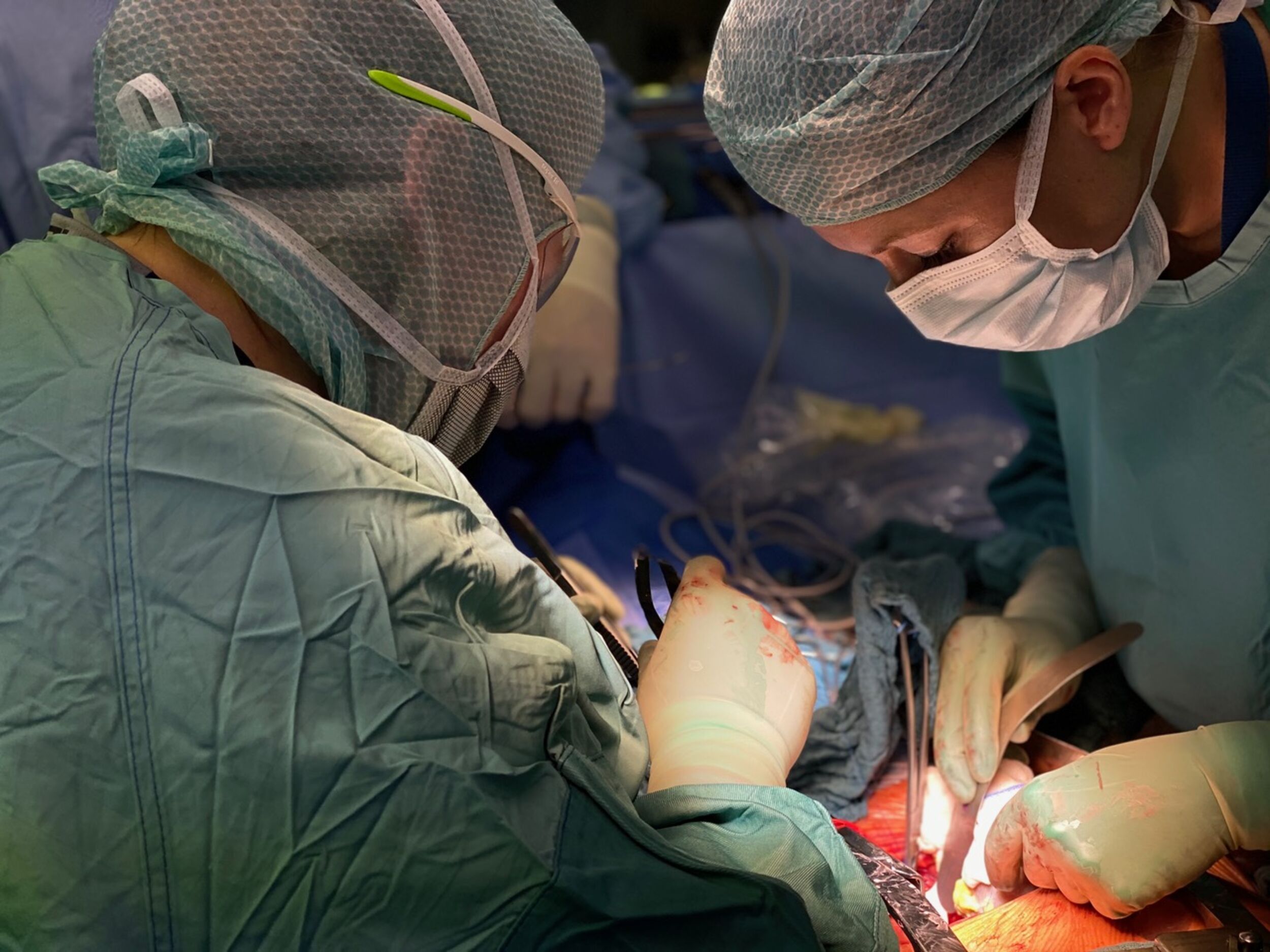
Organ transplantation. Photo: Igor Sauer
Sunday, 12 October 2025, 2:00–5.00 pm
Lecture Hall Ruin, Virchowweg 16
Panel: Vascular Structures in the Body and the City (in German)
With Andreas Greiner, Timothy Moss, Stephan Natz, and Igor M. Sauer
Moderator: Friederike Walch-Nasseri
In the 19th century, physician and politician Rudolf Virchow recognized the link between disease and poor hygiene. His insights helped lay the foundation for Berlin’s modern water supply system in the 1870s.
Human blood vessels and urban pipe systems not only share a similar structure but also face comparable issues – such as blockages caused by fat or calcification – and treatments, like the insertion of stents. While blood samples reveal a person's health, wastewater samples provide information about the spread of diseases or drug use in a city’s population.
Experts such as Timothy Moss (urban energy and water systems from a historical and social science perspective), Stephan Natz (Berlin Waterworks), and Prof. Andreas Greiner (Head of Vascular Surgery at Charité) examine these parallels from their respective fields. The discussion will be moderated by journalist Friederike Walch-Nasseri.
Link to Charité
https://bmm-charite.de/ausstellungen/gefaesse-infrastrukturen-des-lebens

Berliner Medizinhistorisches Museum der Charité (bmm)
Virchowweg 17
10117 Berlin