
»AI Anthropology: Staging Retrieval-Augmented Generative Conversations Beyond the Illusions of Scientific Understanding«, April 2025, Maxime Le Calvé
Cluster Member Maxime Le Calvé's Research Stay at UC Davis
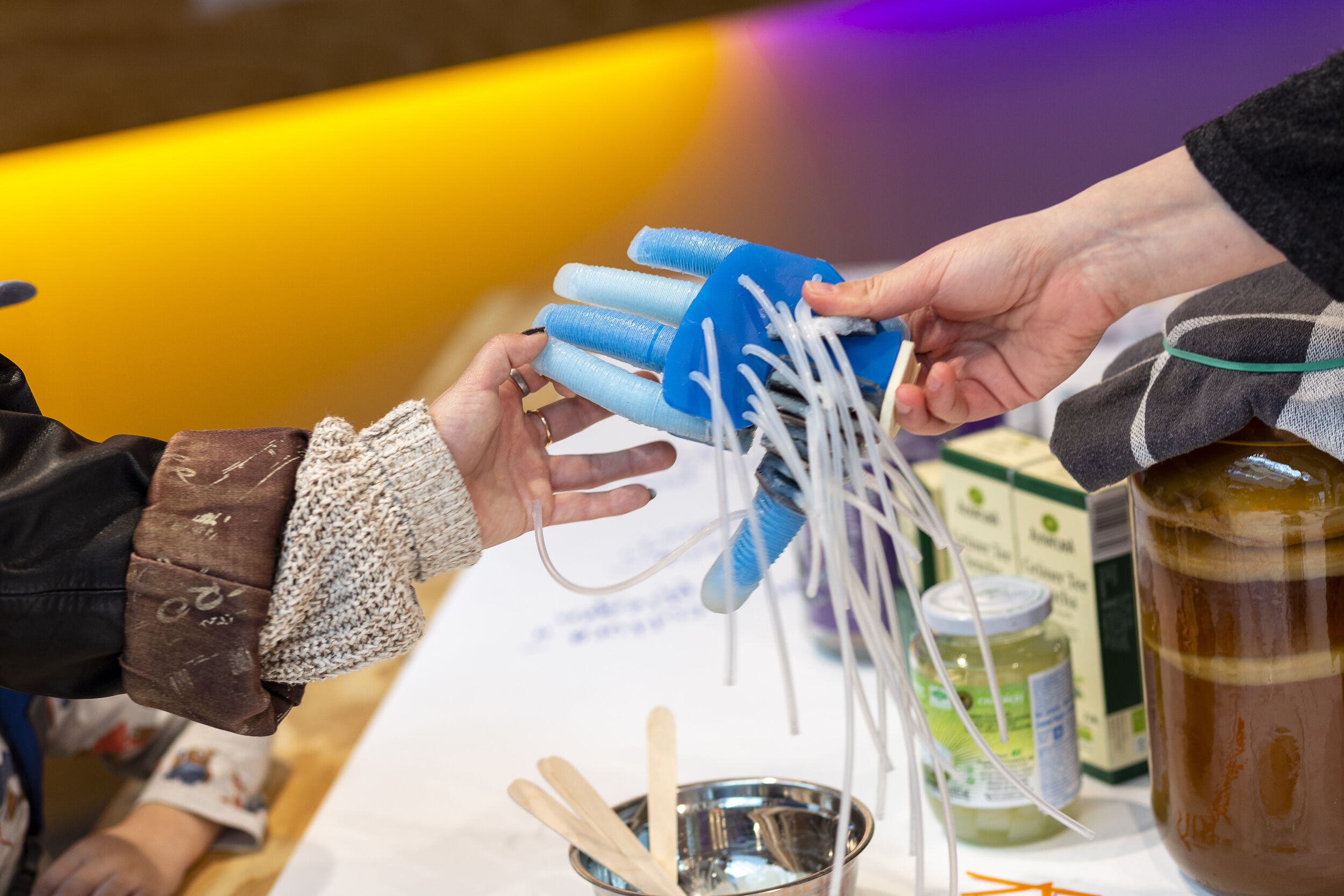
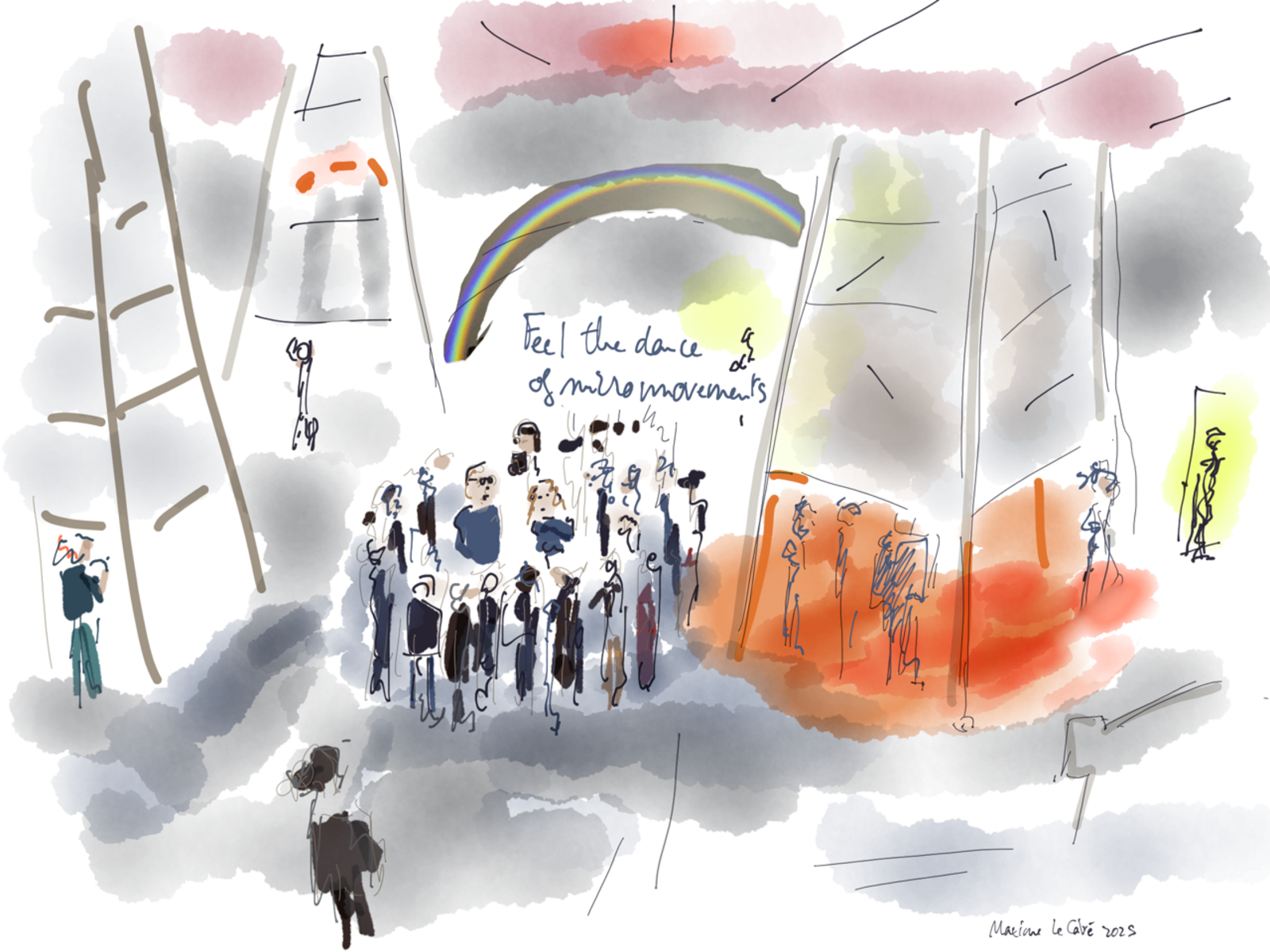
Cluster member Maxime Le Calvé went for a two-week research stay in California, invited by the Center for AI and Experimental Futures at UC Davis. His talk, titled »AI Anthropology: Staging Retrieval-Augmented Generative Conversations Beyond the Illusions of Scientific Understanding«, addressed the challenges of engaging AI in ethnographic experiments and analyzed the potential of co-creative knowledge production with Large Language Models. He also led a hands-on workshop introducing participants to Retrieval-Augmented Generative (RAG) methods for curating ethnographic conversations, and co-facilitated an advanced workshop with anthropologist Joe Dumit, focusing on the AI analysis of a large ethnographic corpus.
more
Interview mit Christian Stein in der t3n erschienen
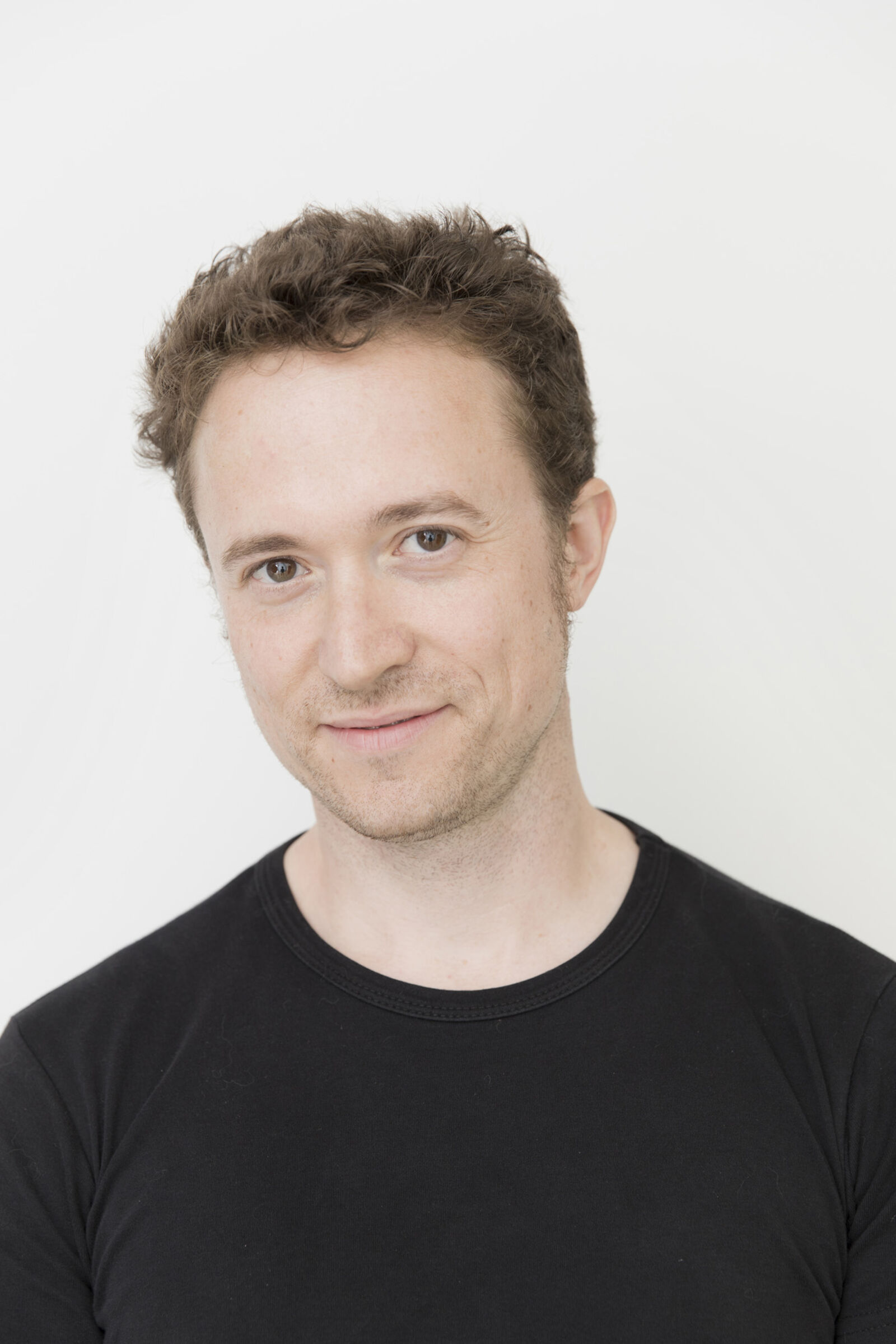
Bereits im Januar wurde ein Interview mit MoA Postdoc Christian Stein in der t3n veröffentlicht. Darin spricht er über Gamification und was intrinsische Motivation und der Magic Circle des Spiels damit zu tun haben. Die Zeitschrift hat ihn nun für das KI Expert:innengremium für Mark Zuckerberg vorgeschlagen, aber lest selbst!
more
Syntopia 1—Soma I Body, Minimal Machines by Matters of Activity. Copyright: Sebastián Plaza Kutzbach
Cultures of Mixed Reality for Architectural and Construction Robotics
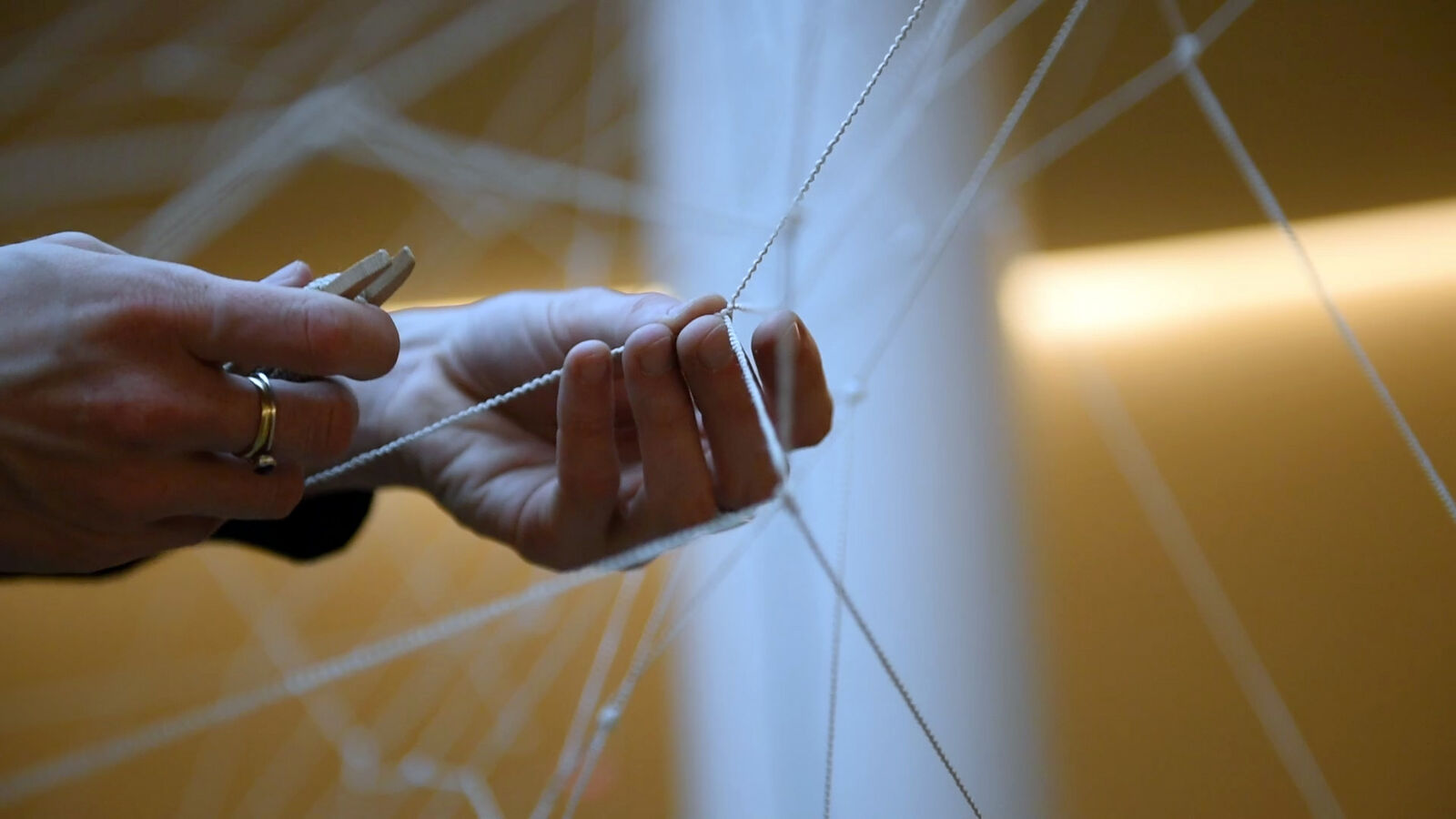
Minimal machines are understood as experimental approaches to kinetic processes in an age of robotics, where both hardware and software are reduced to their essential minimum. Cluster members Karola Dierichs and Karin Krauthausen together with Glenda Caldwell (Queensland University of Technology, Australia) and Dagmar Reinhardt (University of Sydney, Australia) aim to edit a Topical Collection reflecting on the rapidly emerging field of Mixed Reality (MR) in architecture, considering not only its technological aspects but also its cultural and human-centered implications. They invite contributions from the fields of Computational Design and Construction as well as the Humanities.
more
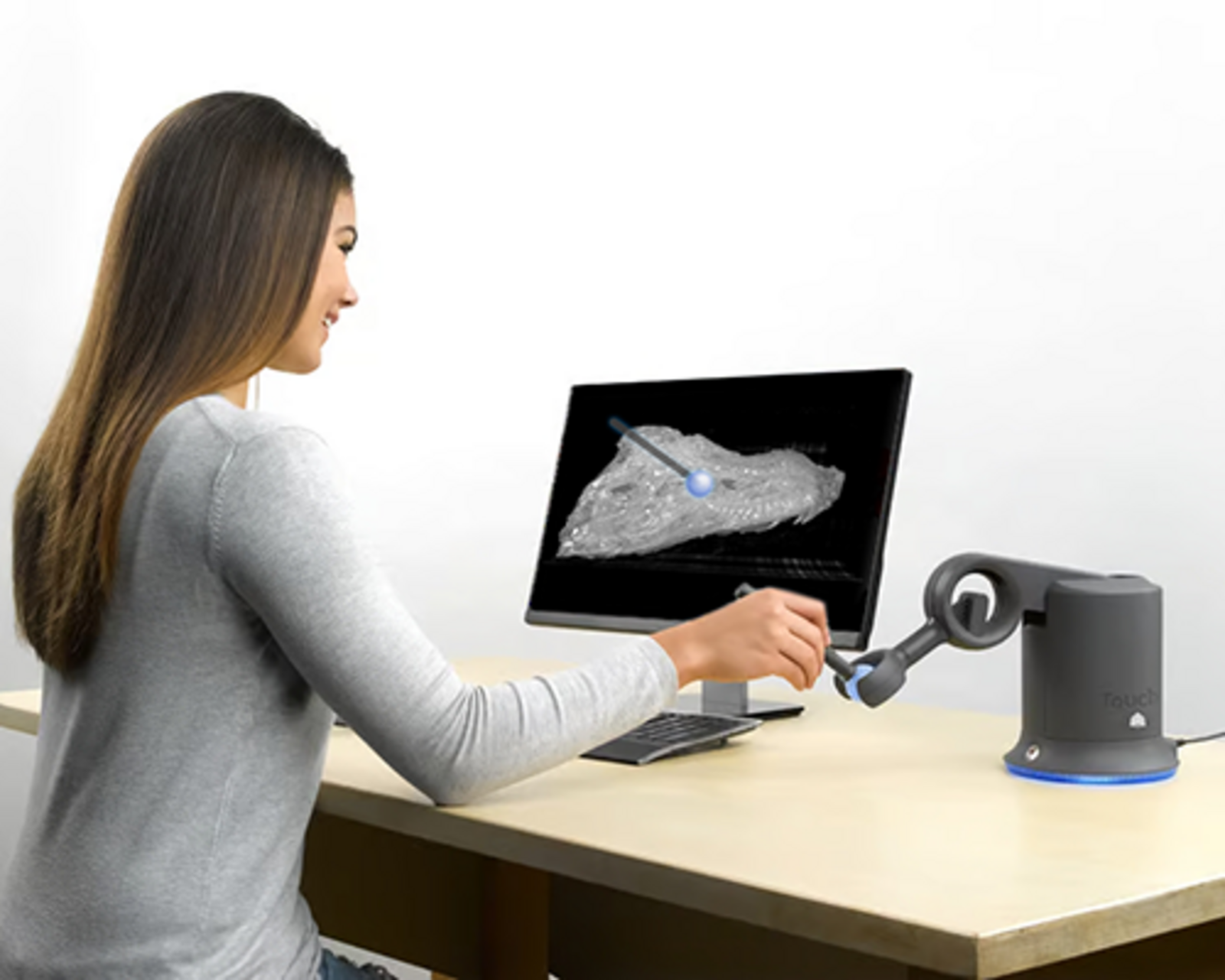
The »Virtual Dissection« setting aims to conceive a prototypical toolbox for experiencing anatomical information in virtual environments through its parameters of spatiality and resistance. The datasets to be employed are drawn from evolutionary biology and medicine. This approach is inspired by contemporary 3D scientific illustration practices and by the haptic dimension of knowledge in the historical practices of dissection.
more