Open Day Tours at Weißensee School of Art and Design 2025
Matters of Activity Involved in Many Projects Presented
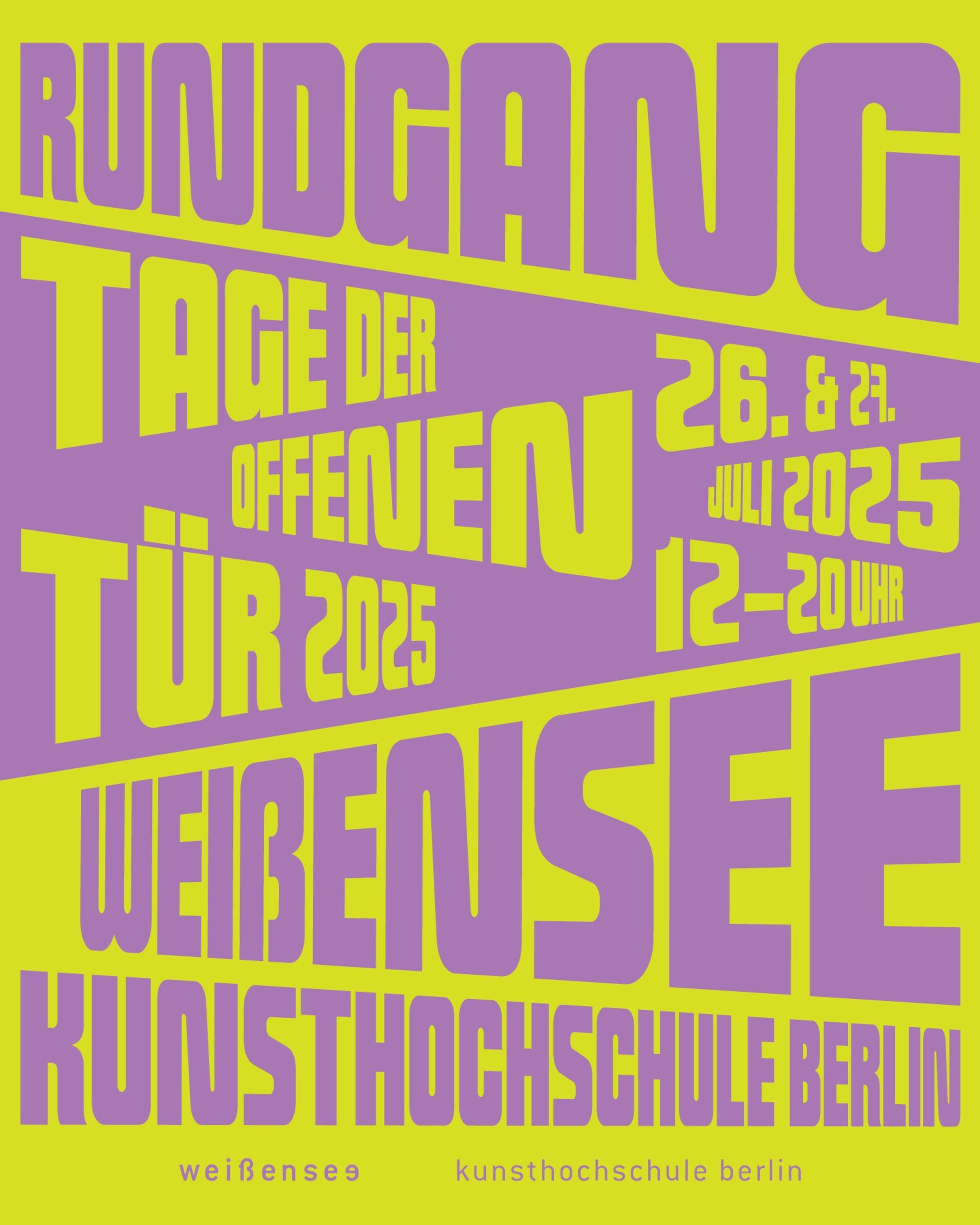
On July 26th and 27th, 2025, 12.00–8.00 pm, weißensee school of art and design berlin will open its studios for the traditional Open House. There will be the opportunity to learn more about the design research projects and students' works developed during the previous year, many of them in cooperation with or in classes led by researchers of the Cluster of Excellence »Matters of Activity«.
The exhibited projects realized in cooperation with Cluster members will be the following:
0 Matters of Activity. Image Space Material
Activities and Publications of the Matters of Activity Design Research Studio
Room: Haus D, eLAB EG
1 Knowledge in Place | New Objects, Spaces, and Interactions for Knowledge Sharing in Museums
Studio project by Prof. Thomas Ness, Rike Glaser, Jörg Hugo, Simon von Schmude, Yolanda Leask
The studio project ‘Knowledge in Place’ is researching how museums can remain relevant in a digital world and respond to the needs of today's visitors. In cooperation with the Klassik Stiftung Weimar, product design students from weißensee kunsthochschule berlin developed concepts for new objects, spaces, and interactions that convey knowledge in an inspiring and personalised way.
The concepts and prototypes are being developed in the context of the redesign phase of Goethe’s residence in Weimar. The cooperation project is supported by Klassik Stiftung Weimar by Dr. Dirk Wintergrün, Kristina Johannes, Annika Schlimm, and Ira Klinkenbusch.
Room: eLAB (Haus D, EG)

Knowledge in Place. Process by Lara Bartos and Sarah Winter, photo: Jörg Hugo
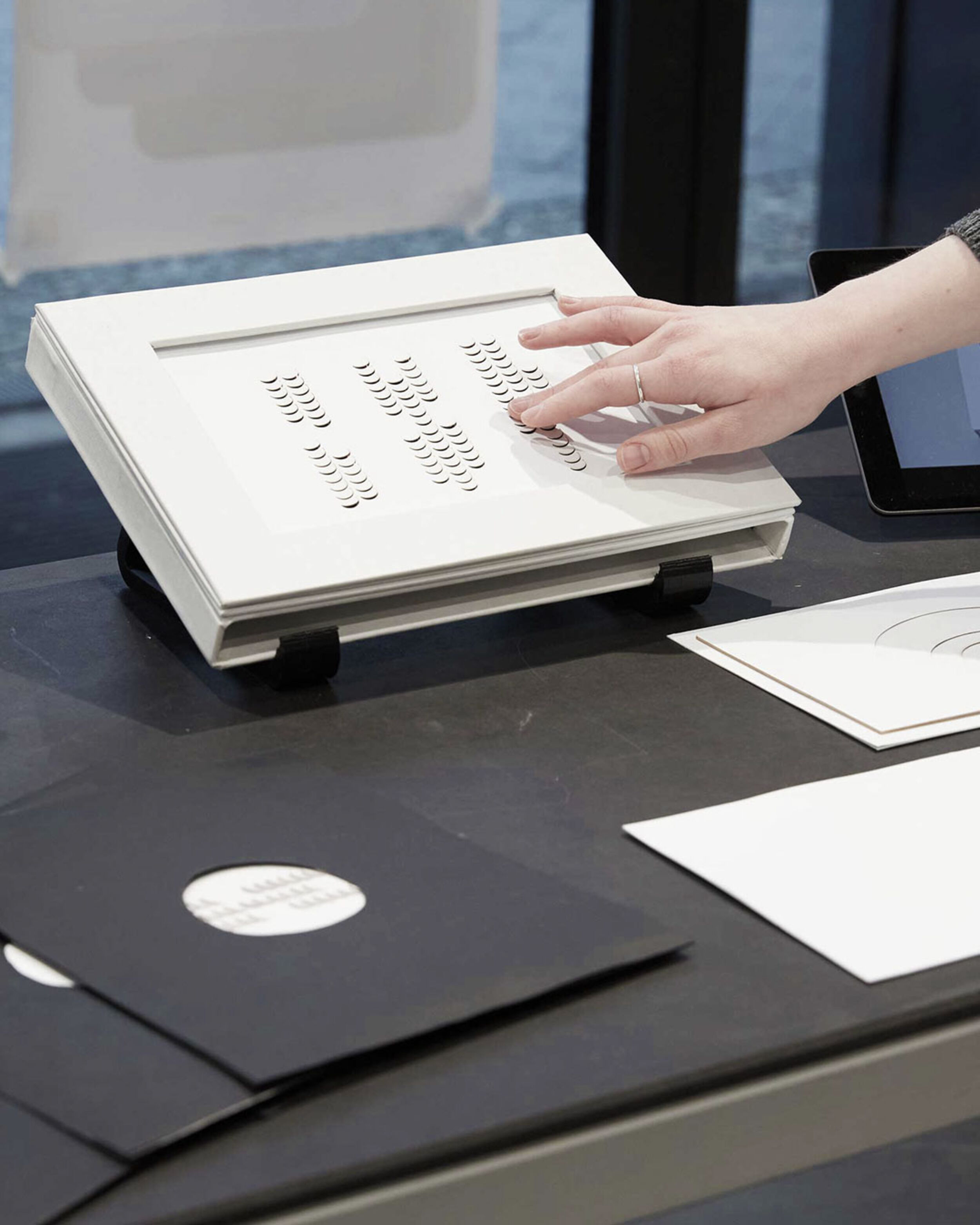
2 Coding IxD: Paper:Drive
Studio project by Prof. Thomas Ness, Peter Sörries, Hanna Wiesener
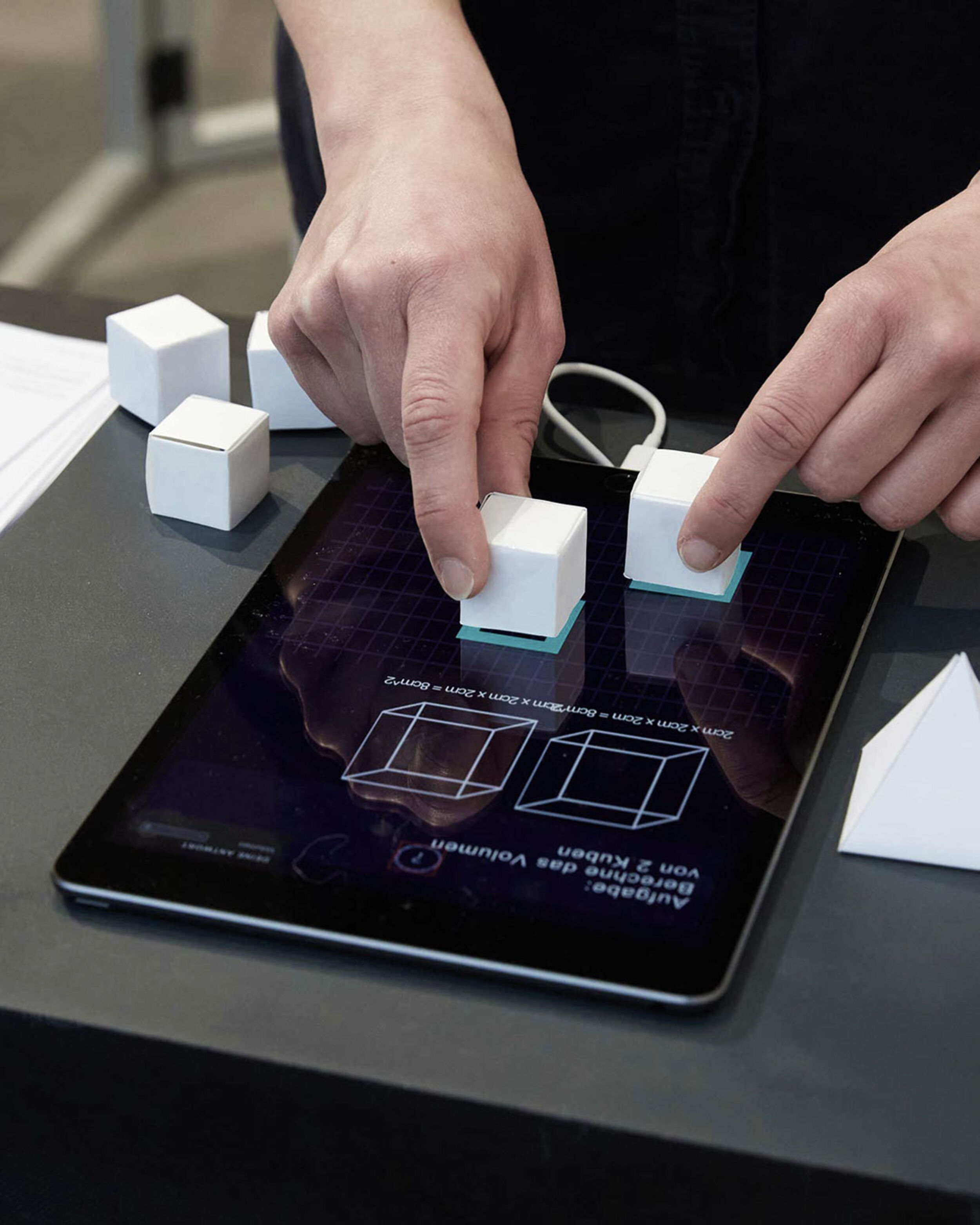
This interdisciplinary project, part of the »Coding IxD« series, explored how paper could be reimagined as a dynamic interface for digital information.
Executed as part of the Cluster of Excellence »Matters of Activity«, the »paper:drive« project exemplifies innovative research at the intersection of design, technology, and humanities, exploring new modes of interaction and critically engaging with the evolving relationship between humans and technology.
Room: Haus C, Flughalle 4. OG
3 Do.You.Read.Me
Form as Interface between Design and Technology
Studio project by Prof. Carola Zwick, Anna Schaeffner, Simon von Schmude (eLAB), Andreas Grasmück (CAD)
Room: Haus C, Flughalle 4. OG
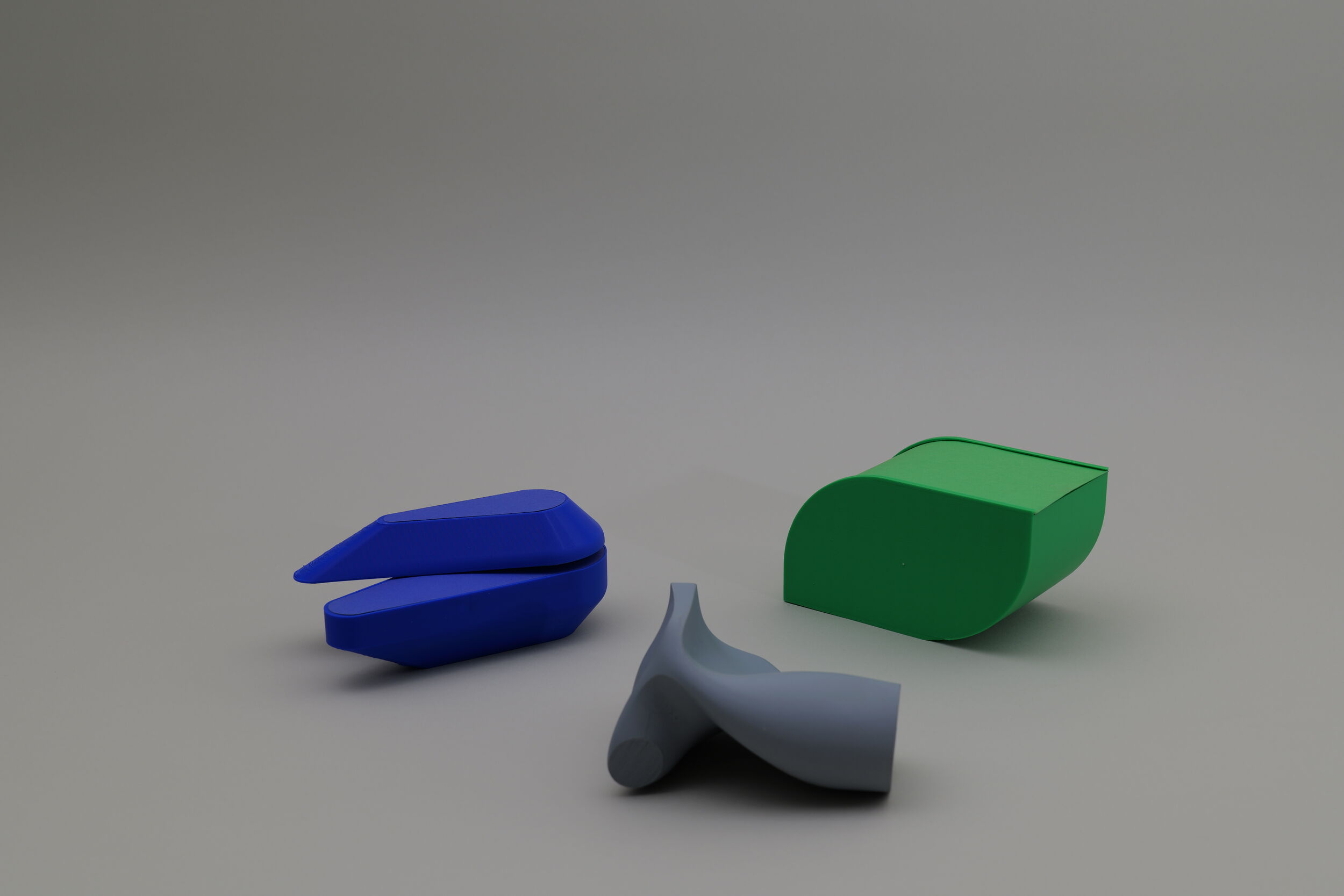
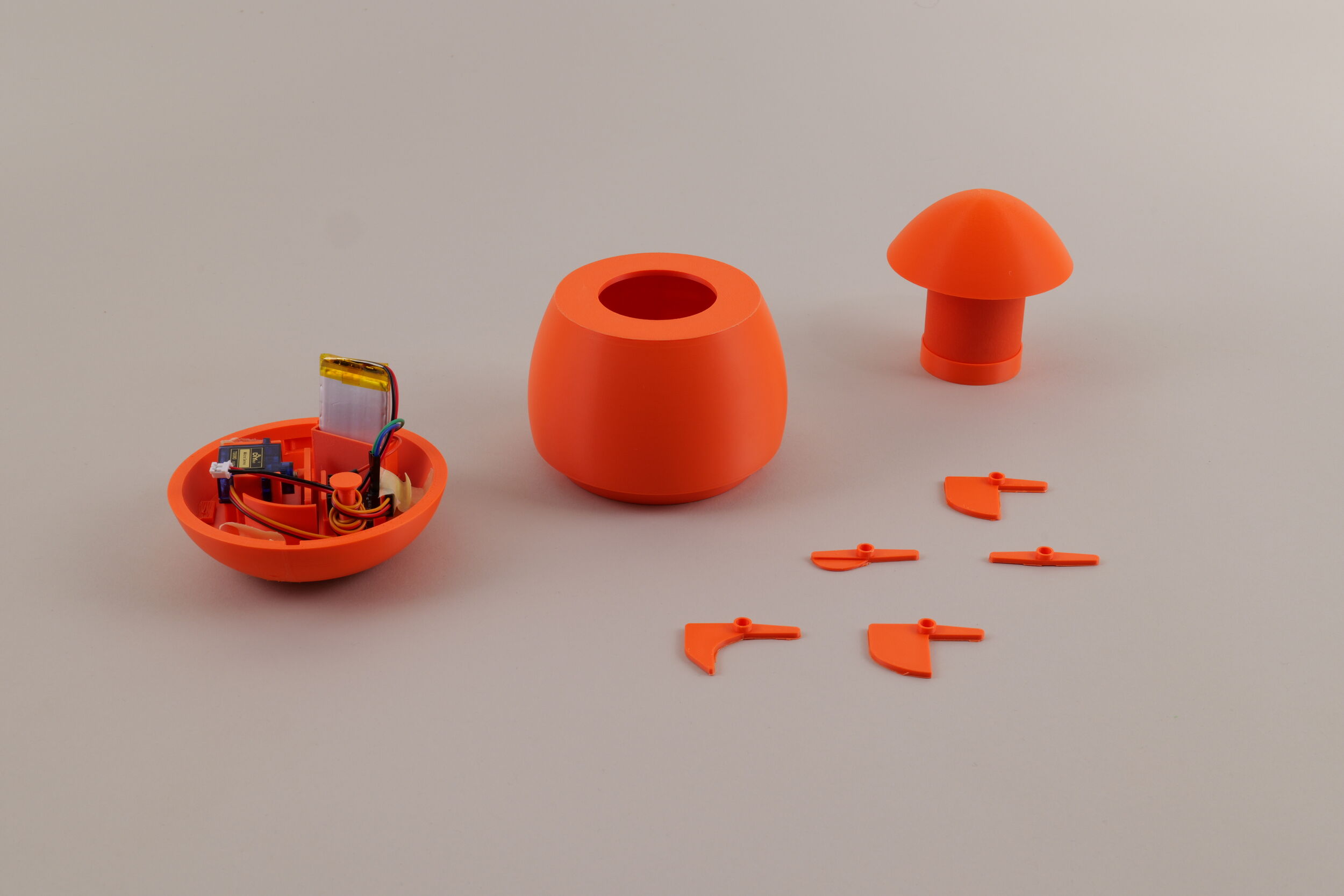
Interacting with an object is never just about function – it is a complex interplay of perception, movement, emotion, and expectation. In a world where artificial intelligence is increasingly integrated into our everyday environments, the question must be asked anew: How can we design things that not only respond, but also resonate on a sensory, cultural, and emotional level?
Across multiple design sprints and ever-changing team constellations, a series of experimental objects emerged – each exploring specific facets of interaction. Rather than focusing on concrete use cases, the project deliberately emphasized the design process itself – engaging deeply with the interplay of material, geometry, construction, and meaning to develop aesthetic-constructive strategies beyond the purely functional or decorative.
The resulting objects demonstrate that interaction doesn‘t have to happen on a screen – but can take place in space, in the hand, and on the body. They make tangible how form, as a medium of expression, can enable new dialogical relationships between humans and objects – and how design, as a researchdriven practice, can expand our sense of what is possible.

4 Scaling Nature 4: Tiles and Tissues
Interdisciplinary studio project by Prof. Christiane Sauer, Nayeli Vega Vargas (Textile and Material Design)
Scaling Nature / MoA Design Studio is an interdisciplinary and experimental teaching platform that investigates the relationship between natural phenomena and their translation into design and architecture. It was initiated by the Department of Textile and Material Design at Weißensee School of Art and Design Berlin in collaboration with the Cluster of Excellence Matters of Activity.Image Space Material (MoA). Now in its fourth edition, Scaling Nature 4: Tiles and Tissues brought together students and an interdisciplinary team of mentors to explore the geometric principles of tessellation as found in both natural and built environments—and to examine how these principles can inform innovative design processes.
The mentoring team consisted of Prof. Christiane Sauer, Nayeli Vega Vargas, Jörg Hugo, Bjorn Bernt, Jessica Zmijan with researchers from Biomaterial Science of Max-Planck-Institute MPIKG Potsdam, Dr. Shahrouz Amini, Dr. Binru Yang, Dr. Lorenzo Guiducci, Prof. Dr. Peter Fratzl and the University of Western Australia, Prof. Dr. Yuri Estrin.
Room: Rapid Prototyping Lab (Haus H)


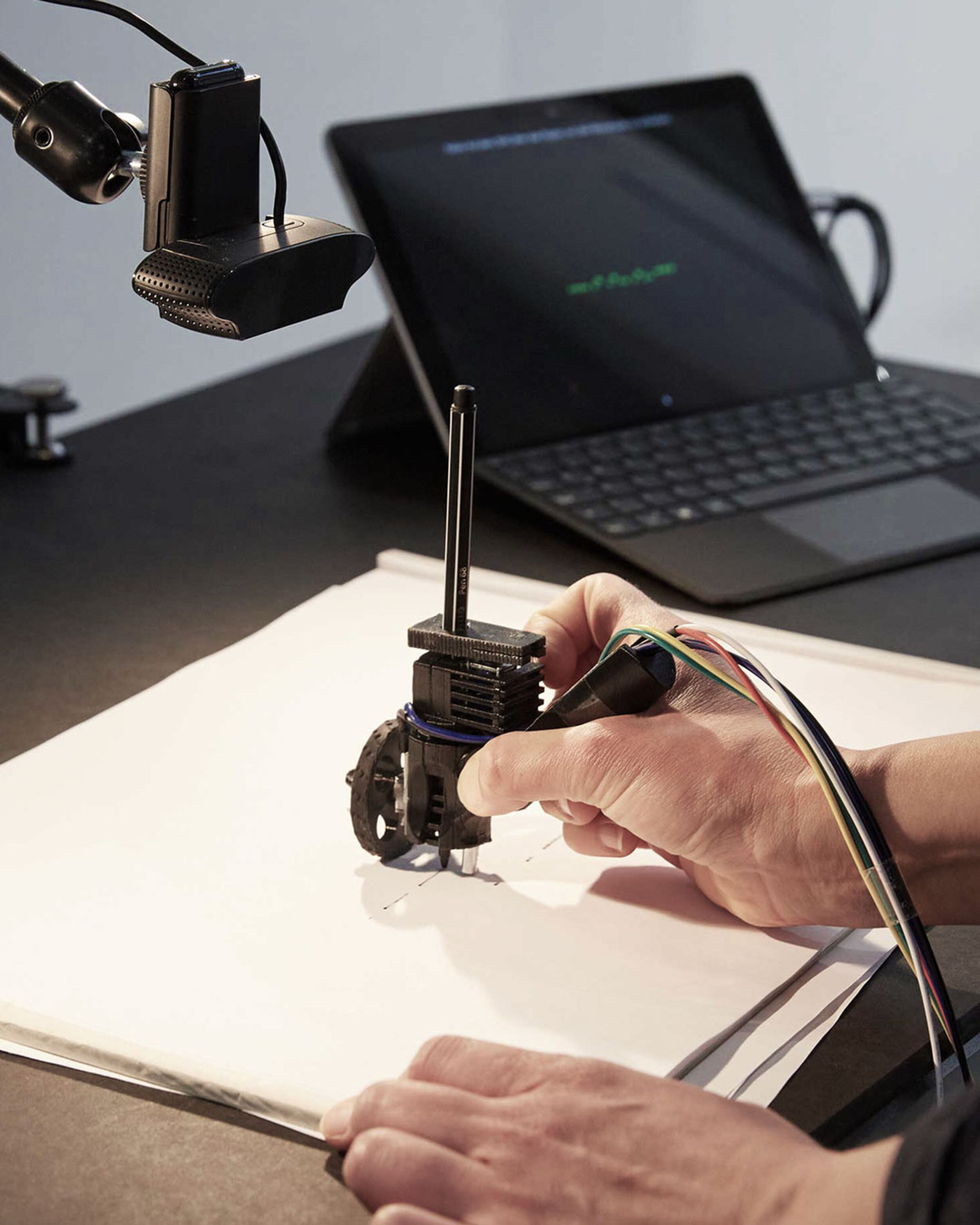
5 Remote Touch Control. What if you could feel a robot operating from miles away?
Research project; Concept & implementation: Konrad Jünger and Dominic Eger Domingos; Developed within: Interdisciplinary Robotic Assisted Surgery (Filtering project)
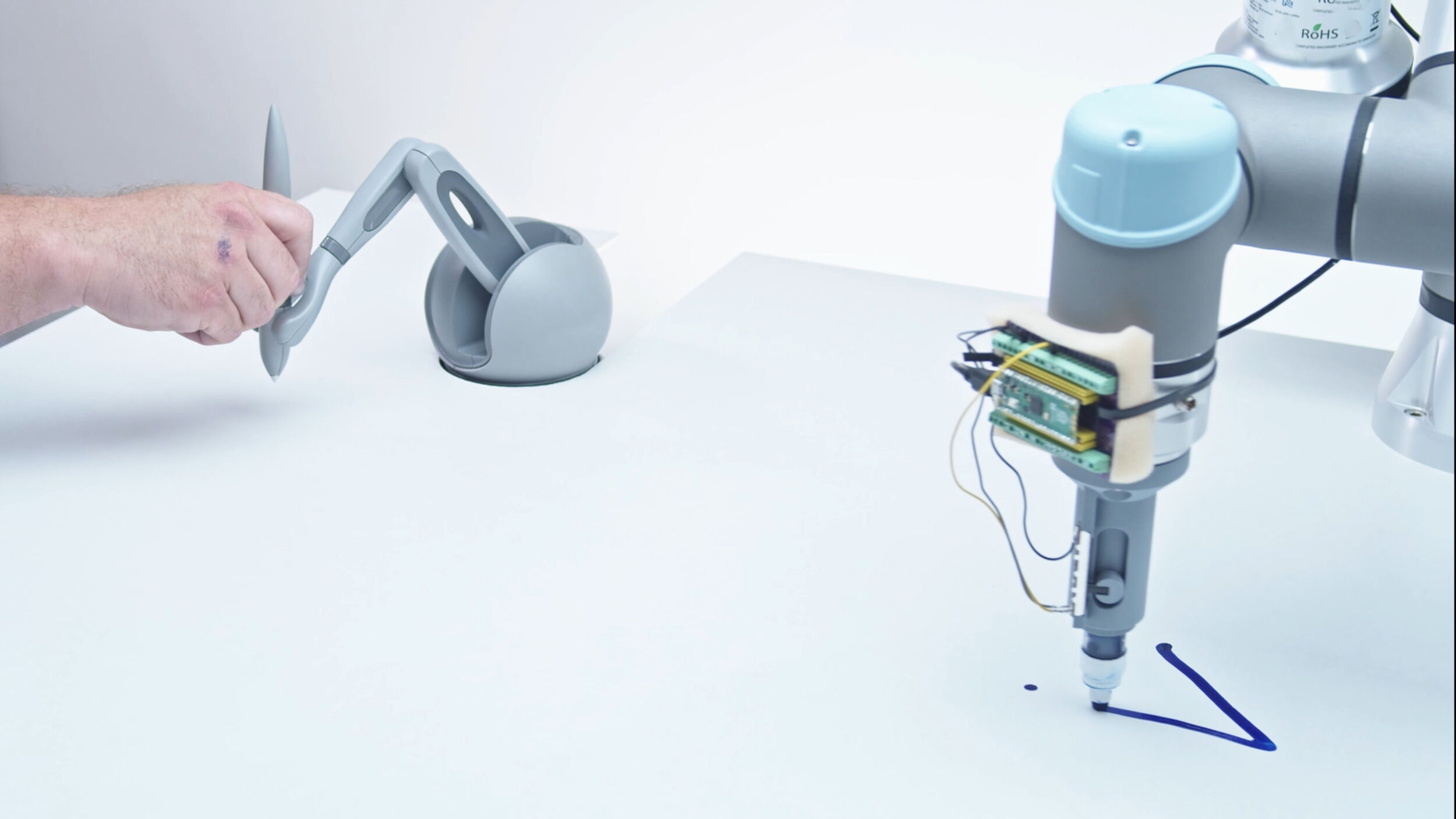
Remote Haptic Control explores how we can reintroduce the sense of touch into remote human-machine interactions. In fields like surgical robotics, haptic feedback is often absent, forcing users to rely primarily on visual input. This research tests a real-time system that transmits and modulates physical sensations over distance.
At the core is a bidirectional feedback loop: a human-operated stylus linked to a robotic arm holding a felt-tip marker. When the stylus moves, the robot draws—and simultaneously sends tactile sensations back to the stylus. Internal actuators subtly restrict or redirect the stylus movement, simulating friction, pressure, or impacts. This enables users to physically sense mechanical resistance, surface collisions, and spatial constraints, effectively feeling the robot’s environment through their fingertips.
Beyond simply mimicking physical touch, programmable haptic filters can amplify, dampen, or shape sensations. These filters include vibration patterns, attractive forces, and tactile overlays. This opens up diverse interactions: from fully human-controlled drawing to semi-autonomous robotic behaviors, in which human input is partially overridden or redirected.
The project explores remote authorship as a negotiation between human intent and robotic response, defining a new design space shaped by spatial coordination and tactile computation. While drawing is the initial exploration, it serves metaphorically, suggesting broader robotic applications—such as remote haptic dissection or suturing in surgical contexts.
Interactive demo for visitors to control a robot with haptic feedback
Room: Haus H, Solid Rapid Prototyping Lab, EG

6 For a Design of Deformation
by Anna Schaeffner (Matters of Activity Doctoral Program)
Soft Collision (2024) looks at the potential of safe physical interaction by embracing collision rather than avoiding it. A deformable, pneumatic membrane which serves as a tangible interface to foster direct manipulation and live programming makes interactions more intuitive and inclusive. The intensive collaboration between the artist and technical partners has been crucial in moving beyond conventional industrial interaction protocols toward a more material-driven form of robotics.

Soft Collision by Anna Schaeffner, photo: Michelle Mantel. Copyright: Matters of Activity
7 Tesselated Skins and Shells
by Felix Rasehorn (Matters of Activity Doctoral Program)
Natural tessellations consist of repeating tiles, alternating between soft and hard elements, to cover and protect natural organisms. The structural duality of hard tiles and soft interface results in membranes with multi-functional benefits. While principles like tiling have found application in design and architecture, the role of material duality for context-sensitivity and multi-functionality in Tessellated Material Systems (TMSs) remains under-explored.
This research focuses on the potential of tessellation as a principle for designing wearable membranes for context-sensitive protection and support. It highlights the role of the interface as a structural and aesthetic element in TMSs and reevaluates the existing concept of tessellation. To observe the diversity of natural tessellation, this research is conducted in close collaboration with natural scientists, zoologists and material scientists.


8 Bioceramic Workshop
by Prof. Christiane Sauer (Matters of Activity, KHB Weißensee), Heidi Jalkh (Matters of Activity), Jörg Hugo (KHB Weißensee), Björn Bernt (KHB Weißensee)
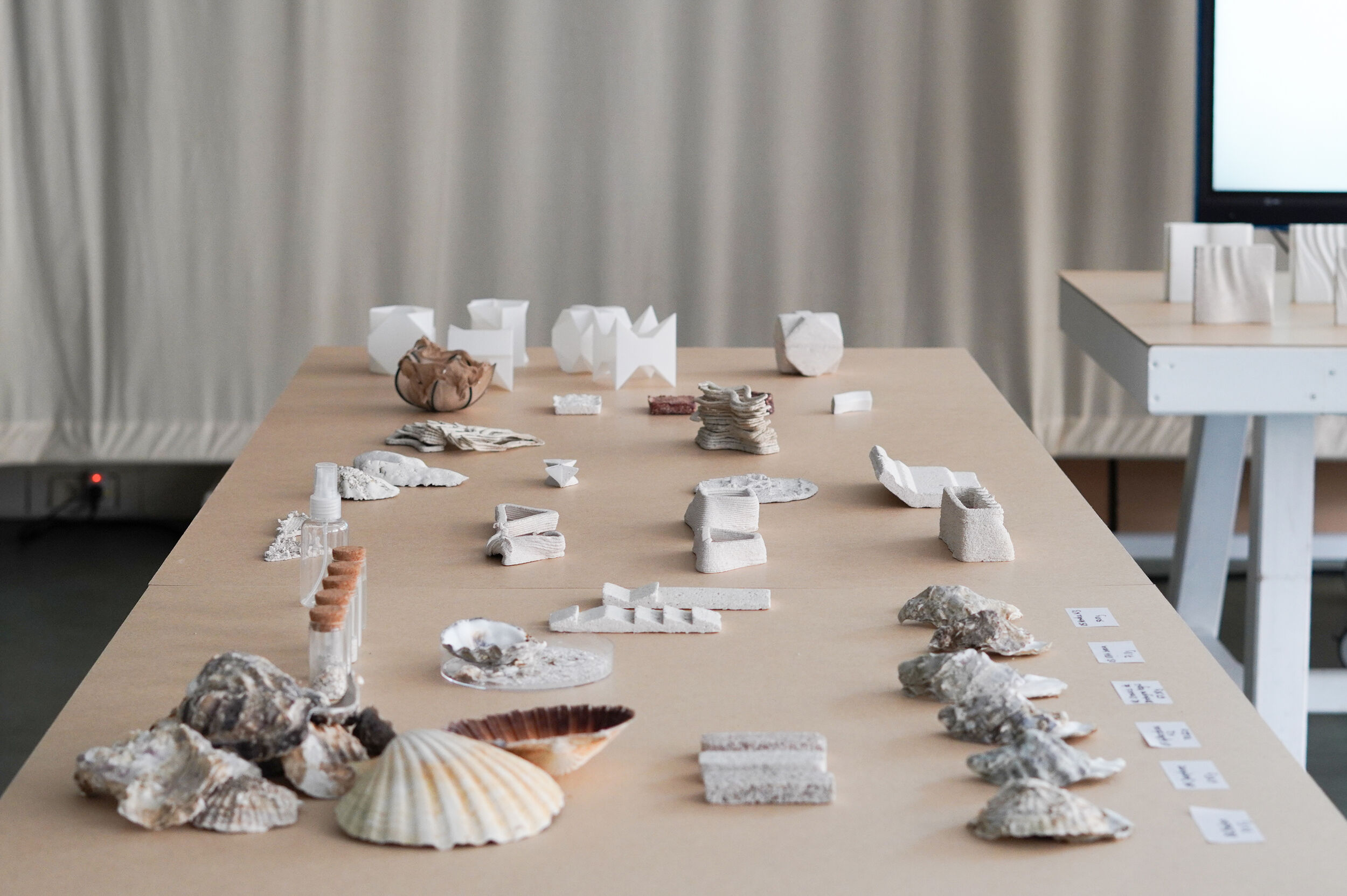
This workshop explored the potential of marine bio-based materials, focusing on the transformation of discarded oyster shells from Berlin restaurants into sustainable architectural elements formed at room temperature.
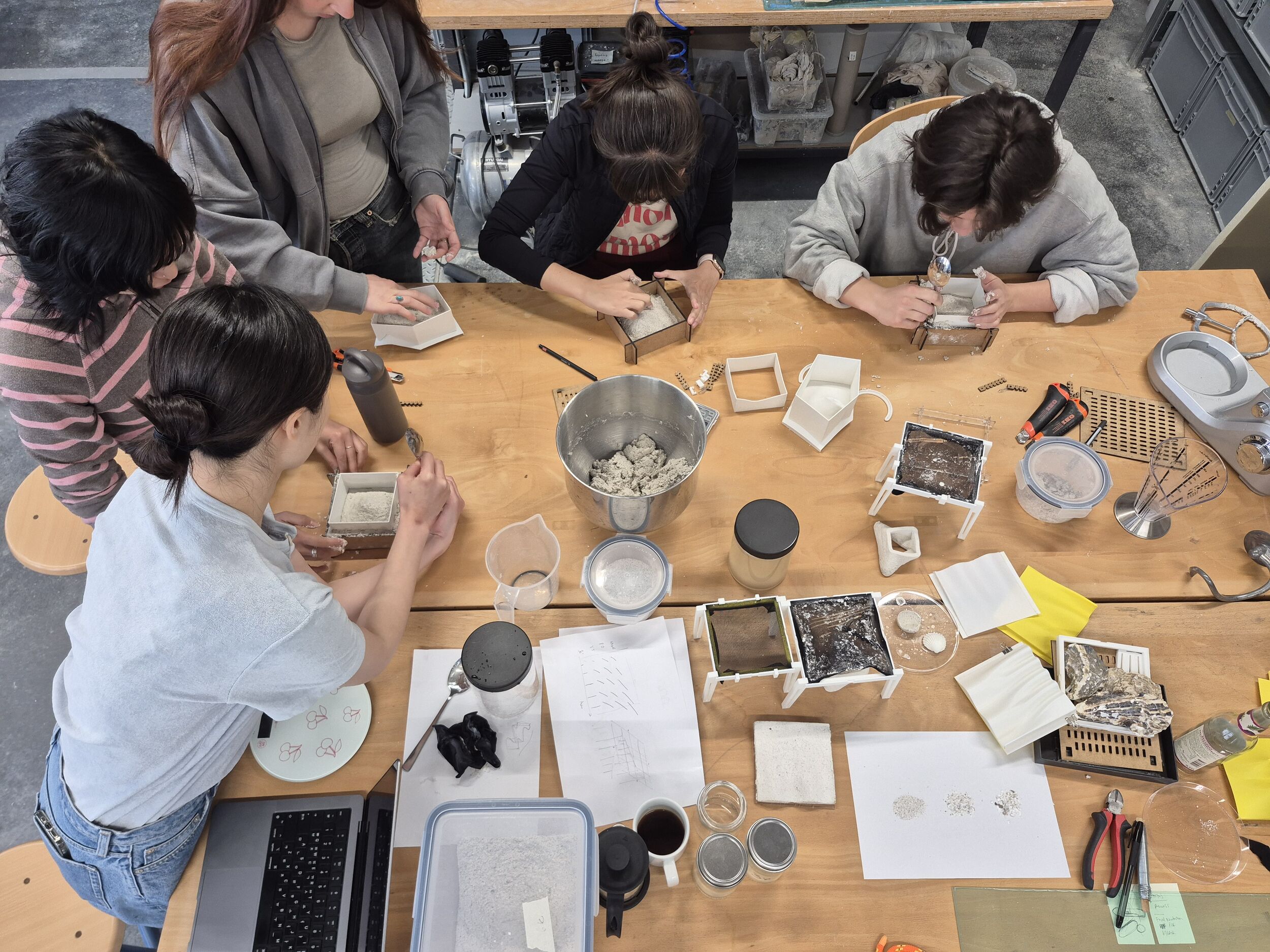
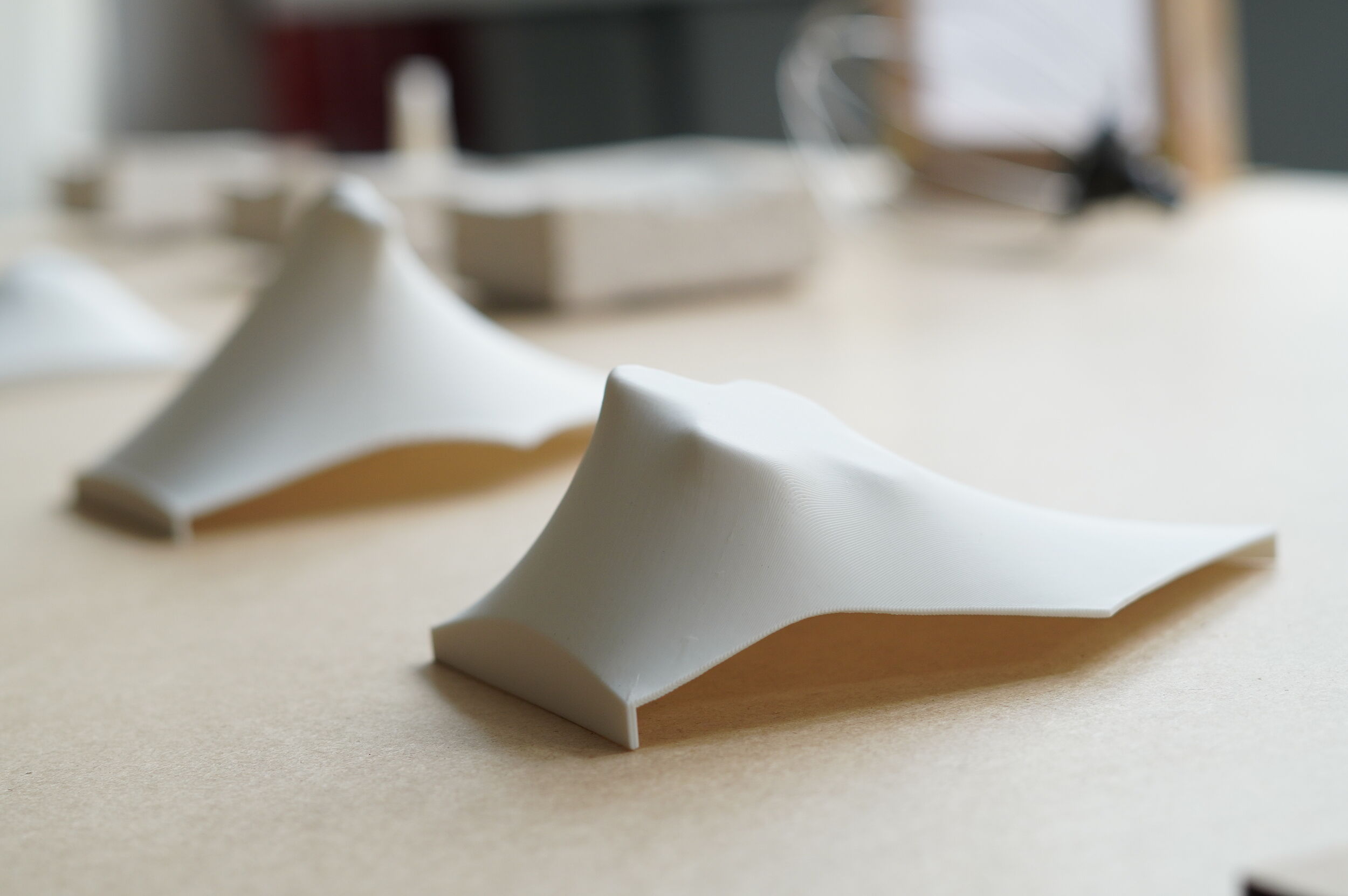
Through hands-on experimentation, participants engaged with both form-finding and form-giving using digital and robotic fabrication techniques. The workshop was structured around two main areas of investigation: Textile-based processes, combining analog tools with robotic fabrication and 3D scanning, which culminated in the production of casted bioceramic components.
Form-making and mold-based fabrication, utilizing Grasshopper-generated geometries, FDM 3D-printed molds, and casting methods, as well as direct material printing.
Emphasizing an iterative, process-driven approach, the workshop highlighted how form, material, and fabrication methods can dynamically inform and influence one another within a digitally integrated design environment.
9 Syntopia: Revaluing the Forest
by Professor Dr.-Ing. Karola Dierichs, Nuri Kang, BA
The MoA Design Research Studio »Syntopia—Revaluing the Forest« investigates how residue materials gathered from the forest can be revalued and transformed into architectural structures. Such materials can for example be beetle- or fungi affected wood or rough wood cut-offs. The term syntopic (noun: syntopy) has been brought forth by Luis Rene Rivas and refers to the inhabitation of the same »macrohabitat« by »two or more related species«. The term is a combination of the Greek words syn meaning together and topos meaning place. To develop Syntopia thus means to create designs sourced from and situated within a specific site—a topos. The MoA Design Research Studio will be structured in five successive phases. In phase 0 we will encounter wood spontaneously and intuitively. Phase 1 introduces the basics of wood materials science. Phase 2 teaches speculative design techniques to develop novel visions for devalued wood materials. Phase 3 leads us into the forest with 2 excursions. The final phase 4 integrates the explorations and findings of the previous ones into individual design projects.
The MoA Design Research Studio is taught in close collaboration with the theory seminar on »symbiosis« by Professor Dr. Phil. Judith Dobler.
Room: Haus A 2.05
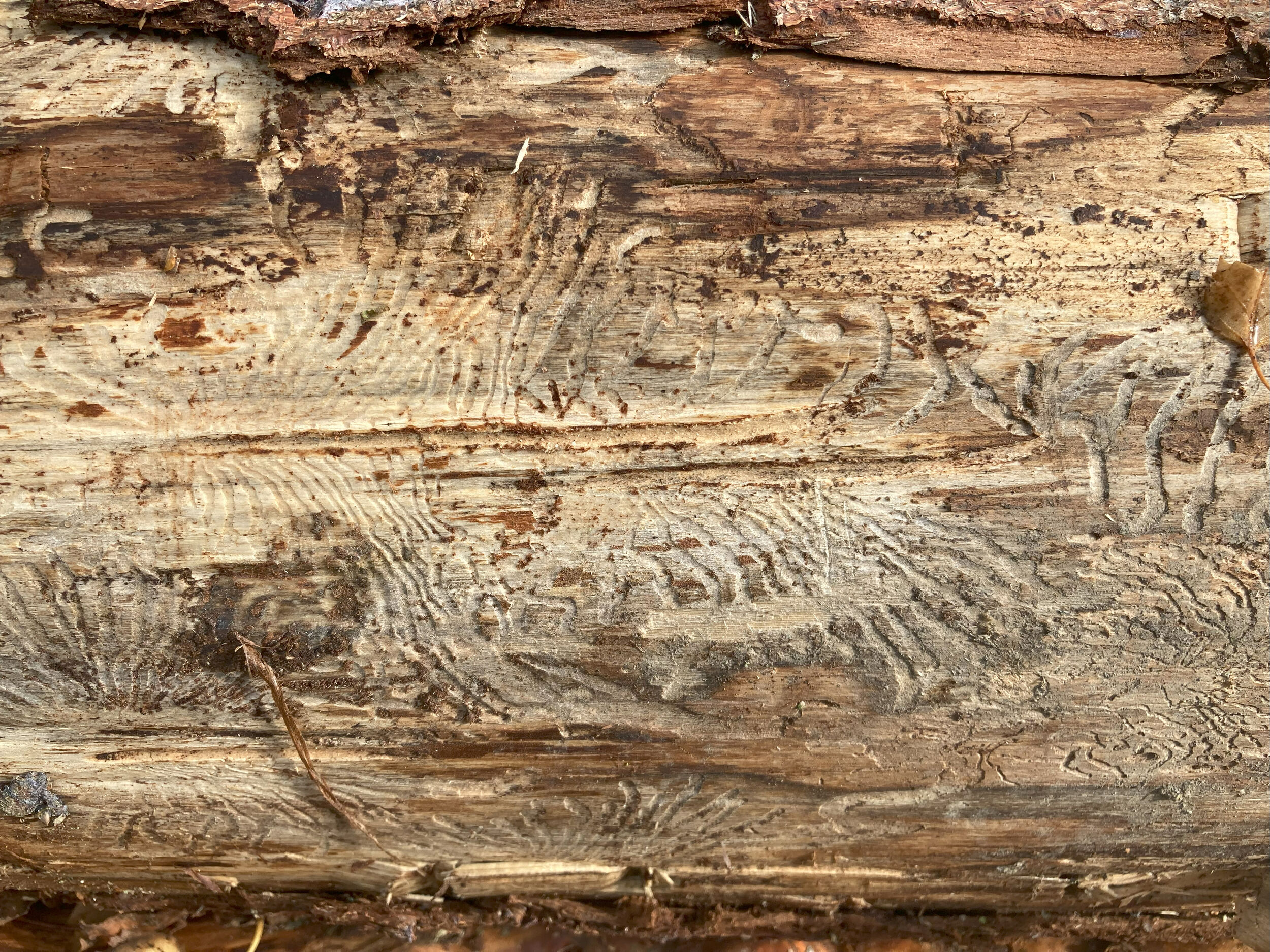
Beetle-infested Spruce, Copyright: Karola Dierichs | MoA, MPICI, KHB
weißensee school of art and design
Bühringstraße 20
13086 Berlin