Embracing Collision at Shanghai Tech University
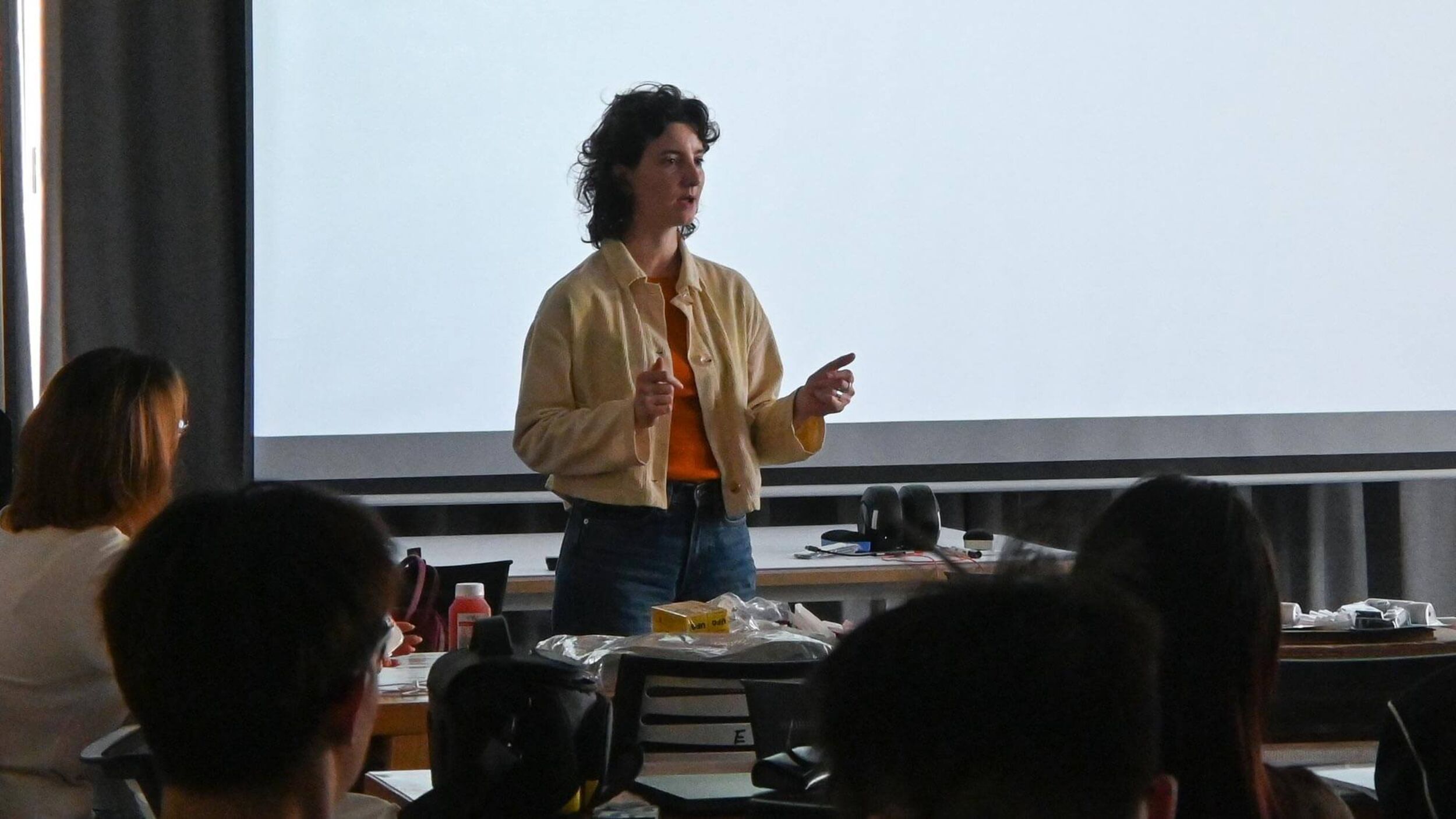
Anna Schäffner Gave Student Workshop at CASE Lab
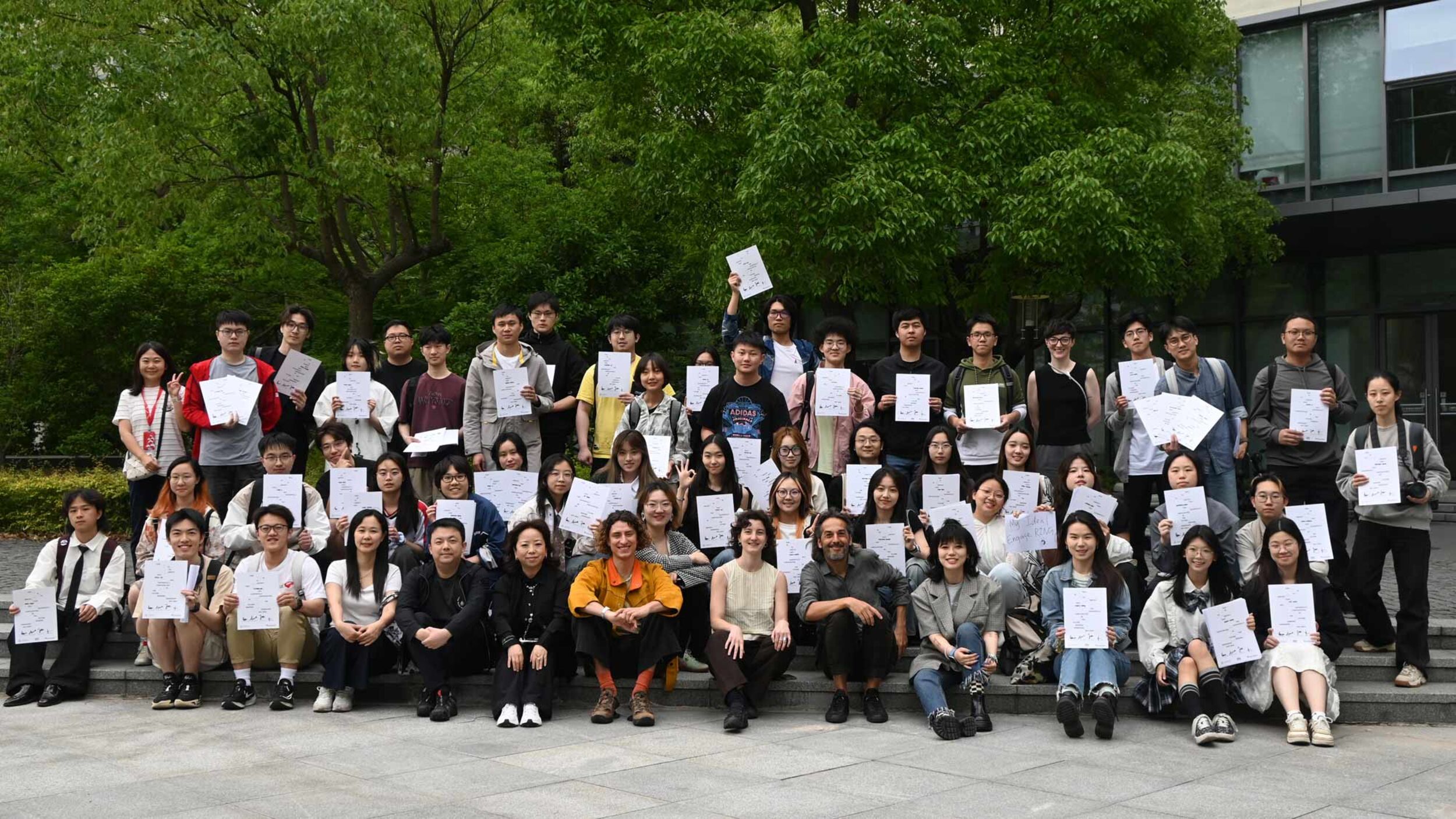
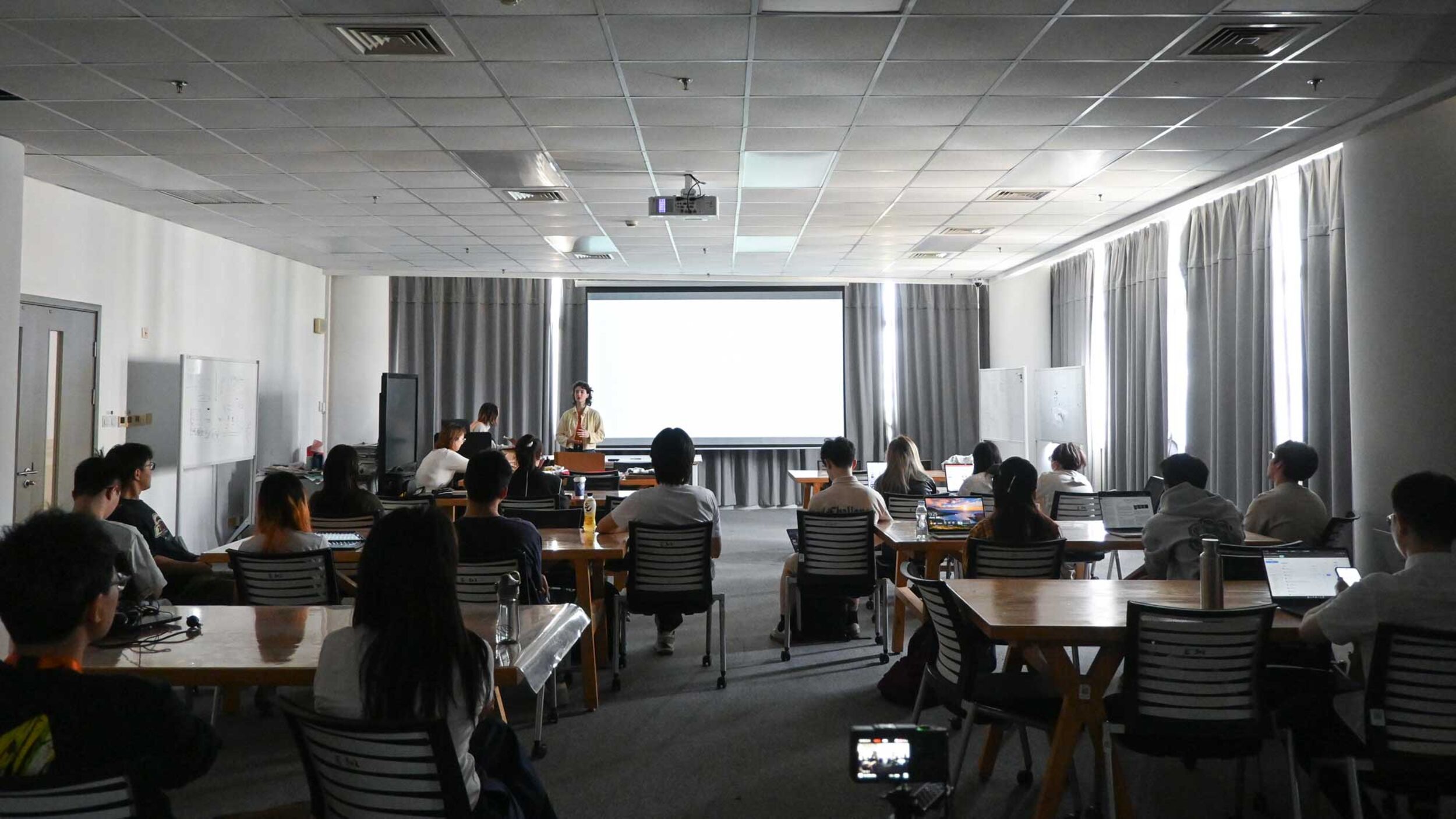
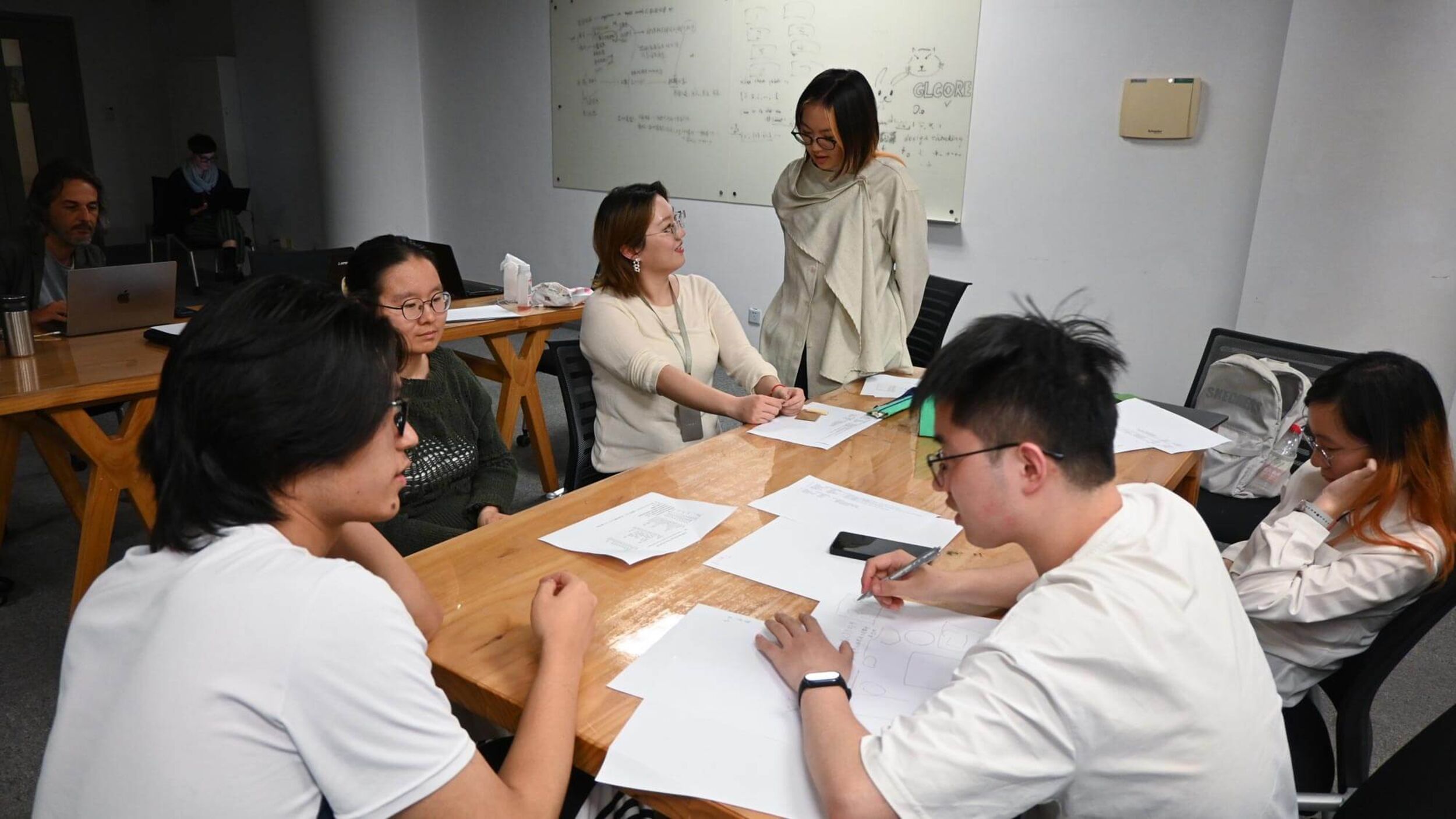
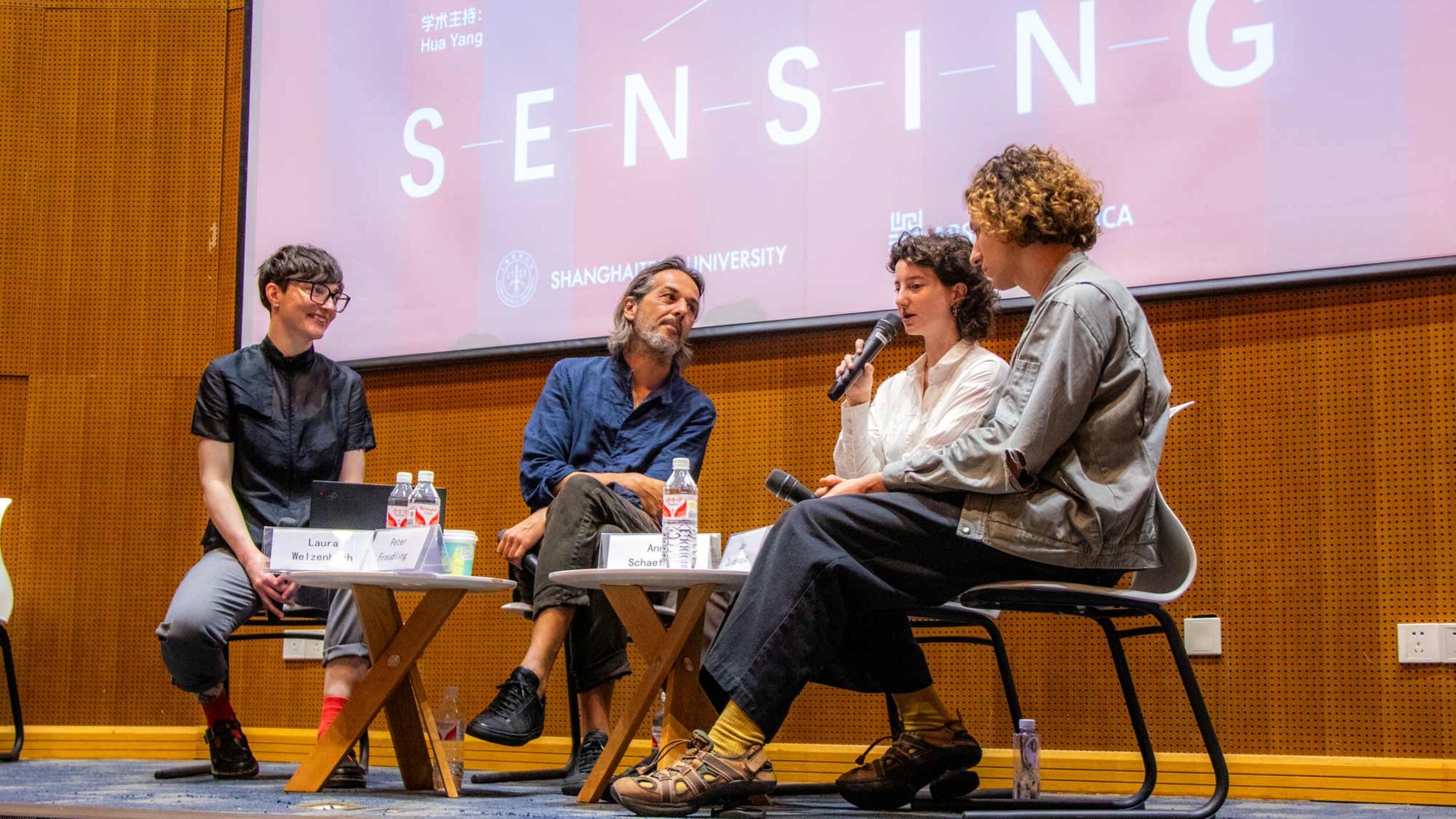
In May 2025, Ars Electronica and ShanghaiTech University co-curated a series of artist-led student workshops together with four different research labs of the university. These workshops aimed to introduce ArtScience as a research and production practice that nurtures innovation by bridging the worlds of art, science, and technology. For a week, students were invited to explore ArtScience as a research and production practice. We're delighted that Cluster member Anna Schaeffner was part of this great program with the workshop »Embracing Collision« at the CASE Lab, encouraging participants to rethink the design of objects and devices by embracing collision rather than avoiding it.
Anna's workshop explored the creative potential of collision—between disciplines, technologies, and bodies. It opened with a one-day speculative exercise called »Magic Machines.« Participating students were invited to envision a new type of device that merges their field of research with unexpected phenomena. The goal was to challenge their own discipline by blending it with inspiration drawn from another field. The rest of the workshop was built around the core concept of »embracing collision rather than avoiding it.« It revolved around the question: what needs to change or adapt in the design and engineering of objects and devices to encourage human interaction through bodily confrontation—rather than through screens, buttons, or voice commands. The idea is to shift our perspective on problem-solving: instead of always avoiding collision, how might we face it and transform it into a tool for creative inspiration?
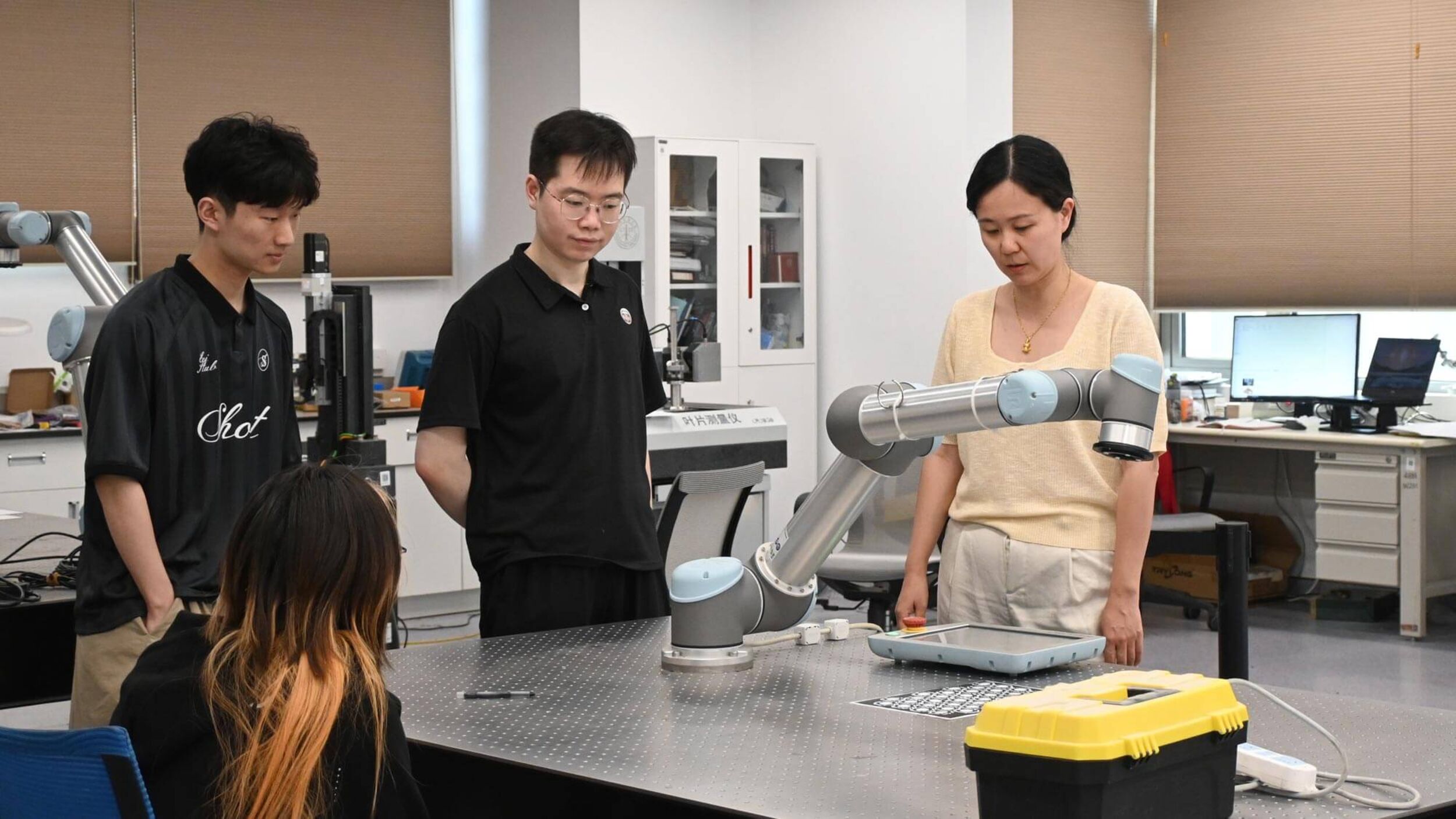
Center for Adaptive System Engineering (CASE) focuses on high-end equipment fields such as aviation, aerospace, and new energy, tackling key technologies in data-driven additive manufacturing, numerical simulation, intelligent decision-making and control. Artificial intelligence, digitalization and robotics technologies are applied to promote closed-loop manufacturing of materials, design, manufacturing, and testing. While balancing scientific research, talent, and teaching, we also serve the high-tech industry, emphasizing the industrialization and marketization of technology.
For more information see Ars Electronica website.