• Matters of Activity
  • About Us
    • Directors
    • Scientific Advisory Board
    • Partners
    • Equal Opportunity
    • Open Science
    • Contact
  • Members
  • Research
    • Projects
      • Weaving
      • Filtering
      • Cutting
      • Material Form Function
      • Object Space Agency
      • Symbolic Material
    • (Junior) Research Groups
      • Adaptive Fibrous Materials
    • Laboratories and Displays
  • Activities
  • Early Career Support
  • Publications
  • Jobs
  • Virtual Cluster Space
  • Activities
Material Form Function | Biodesign | Prototype / Model | Teaching

Morphing Structural Materials – From Biology to Physics to Architecture

Advanced Course at International Centre for Mechanical Sciences in Udine, September 2025 – Register Now!
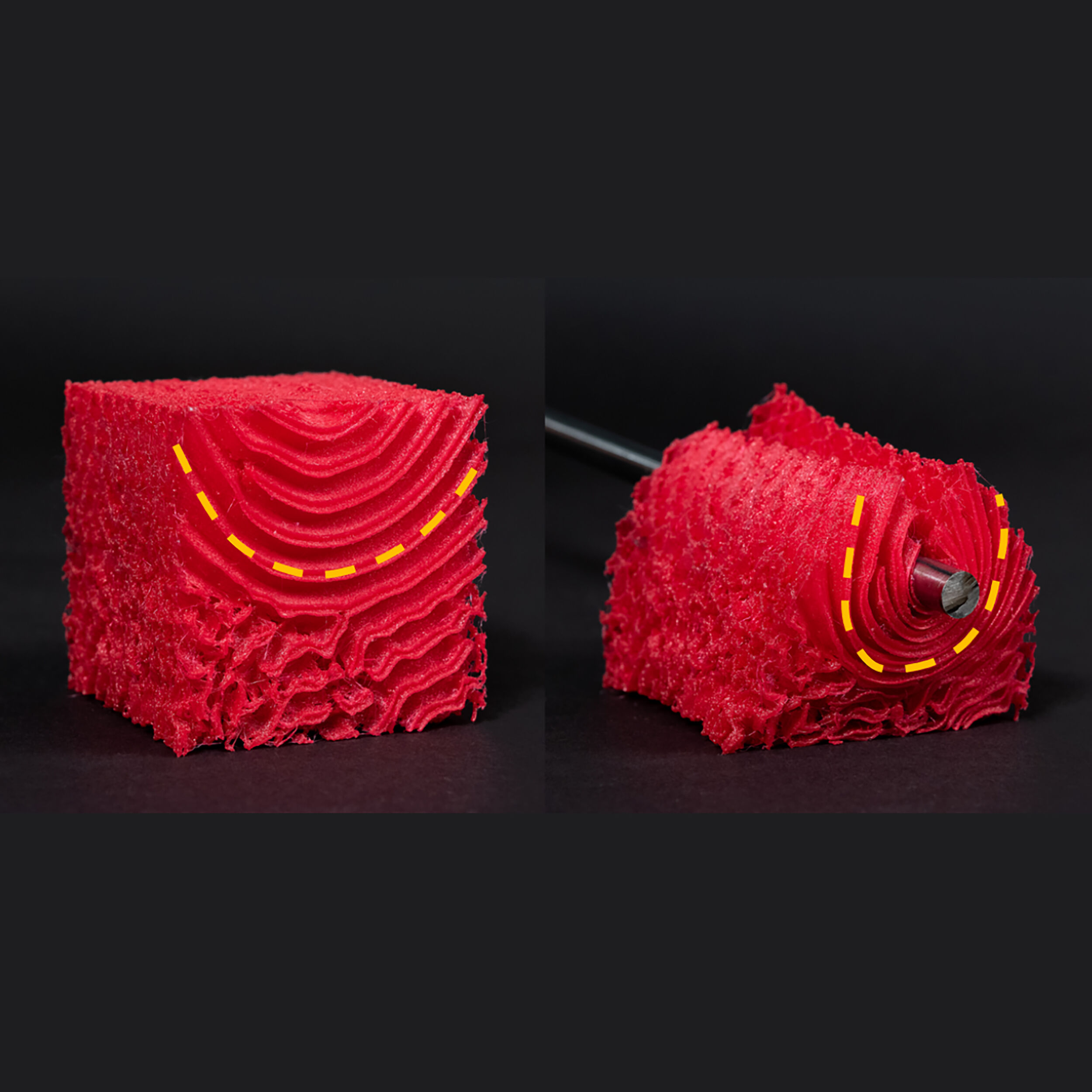
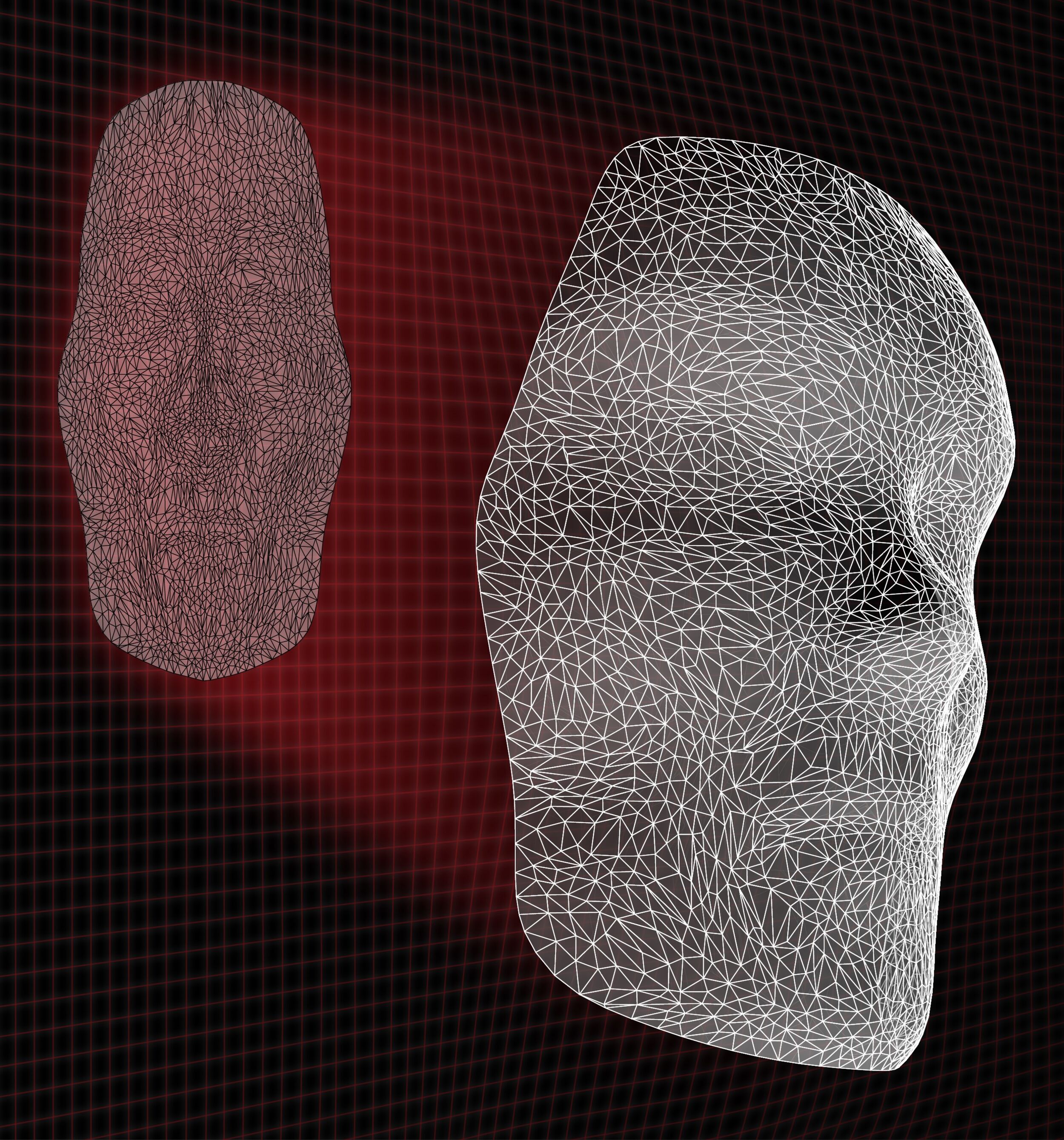
Inverse problem for fabrication: From a 3D model a deposition plan is optimized for a 3D printed plate, such that once dipped into water the plate deforms into the target shape. This is achieved by optimizing the shape of the plate and the orientation of the plastic deposition trajectories. Copyright: Thibault Tricard, Vincent Tavernier, David Jourdan, Cédric Zanni, Jonàs Martínez, Pierre-Alexandre Hugron, Fabrice Neyret, Camille Schreck, Sylvain Lefebvre

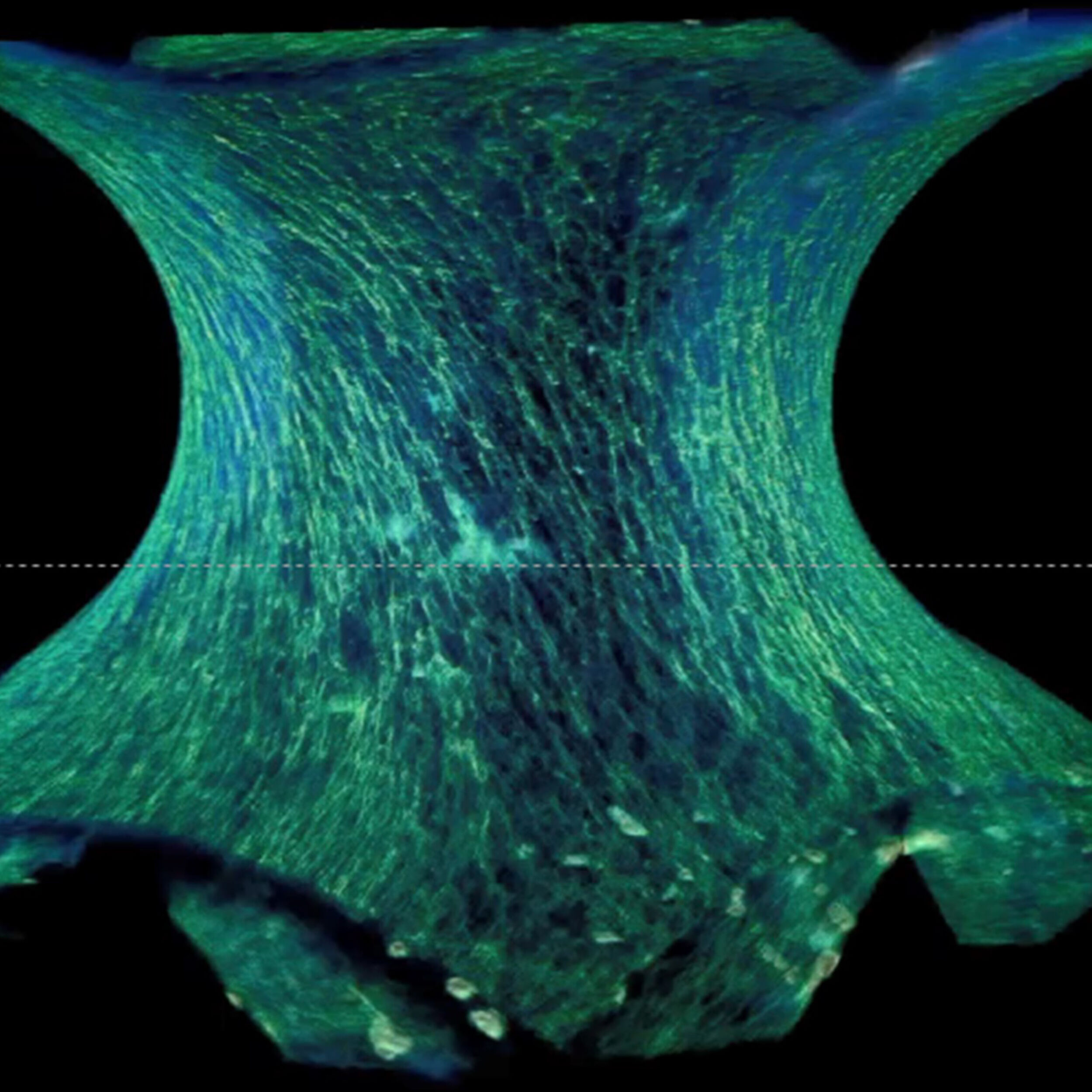
Spontaneous emergence of chiral structures in tissue growth © Ehrig, S. et al. Surface tension determines tissue shape and growth kinetics. In: Science Advances 5 (9), p. eaav9394. https://doi.org/10.1126/sciadv.aav9394

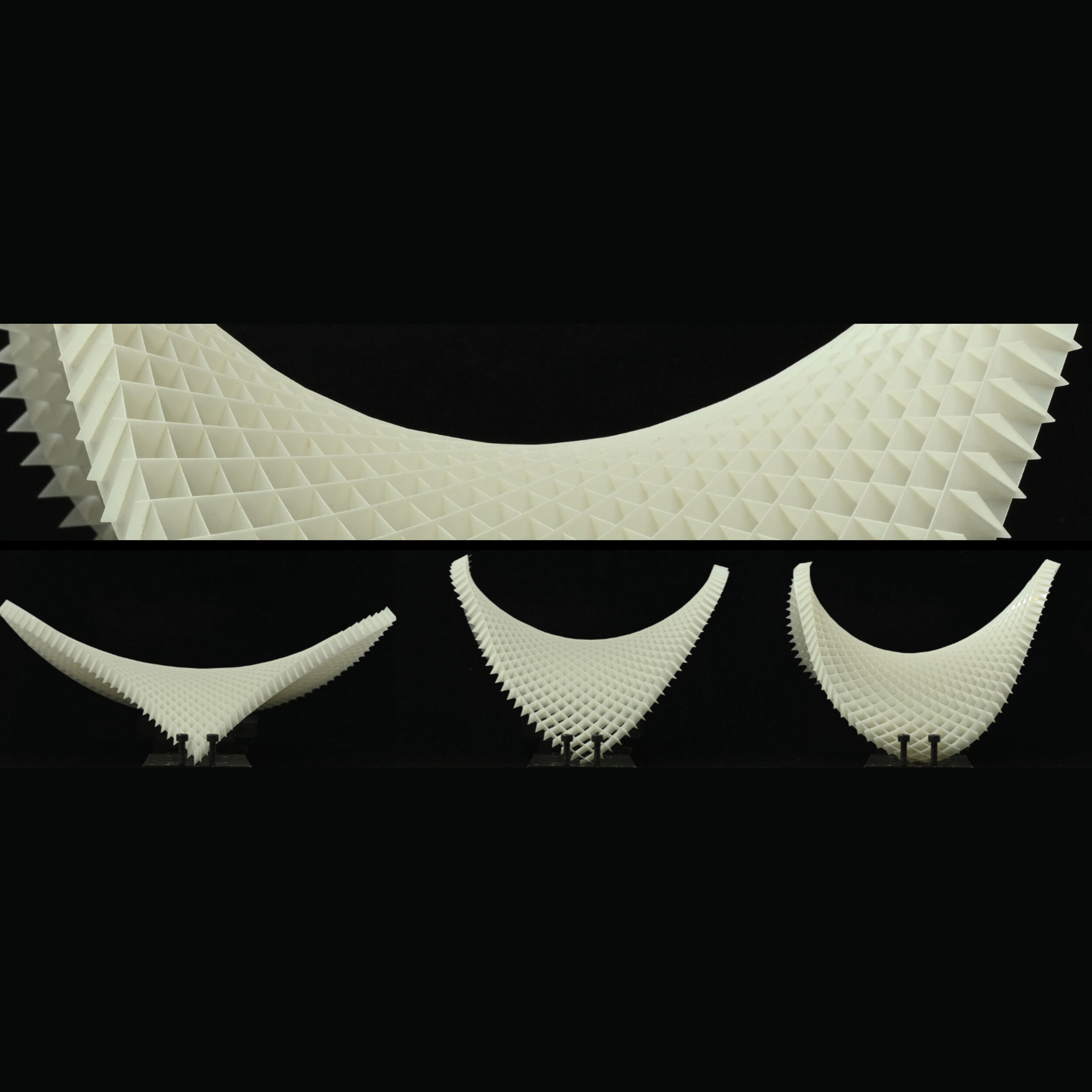
Ribbon gridshells are an example of shape-changing surfaces. Copyright: J. W. Hong

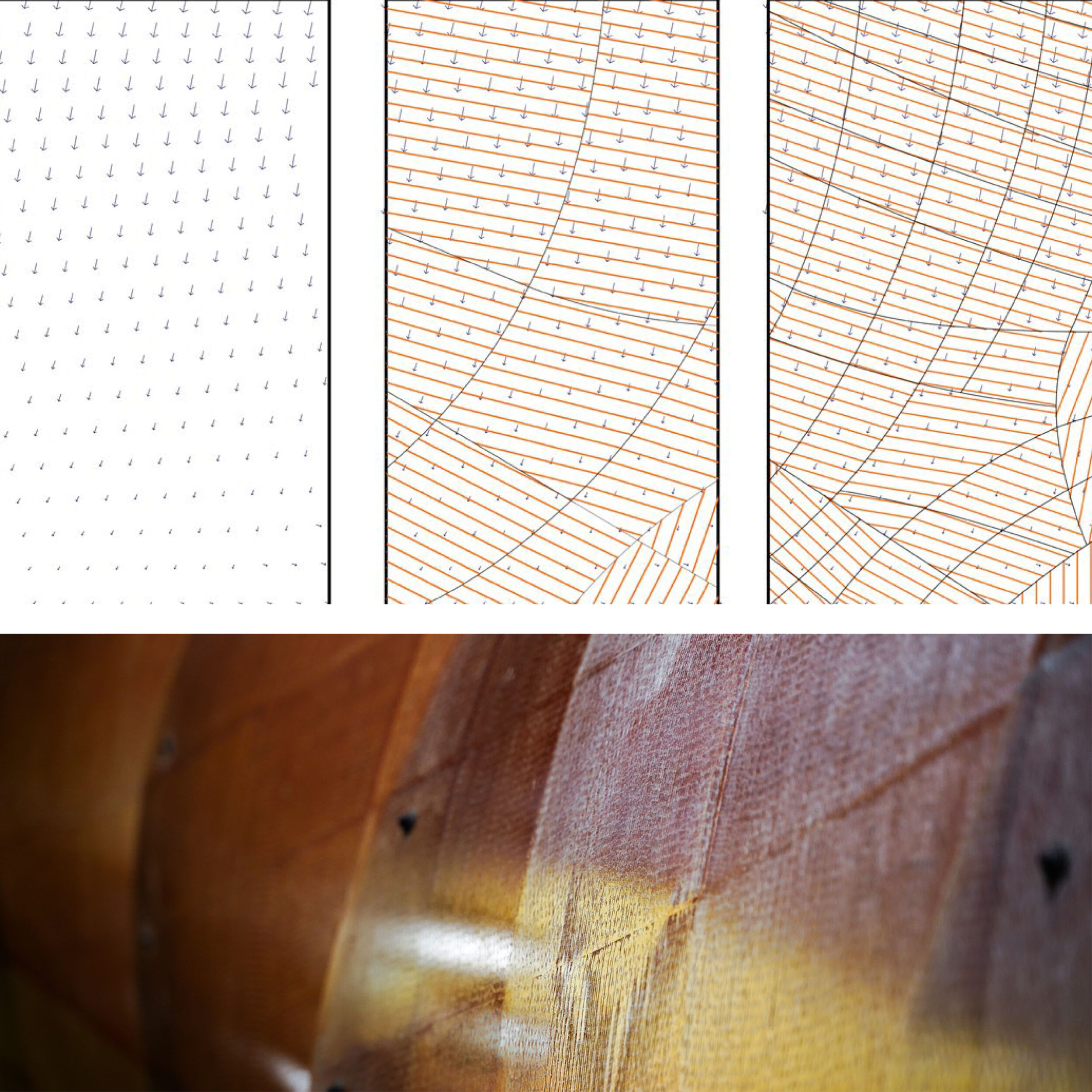
Morphing figure. Copyright: Shu Yang

The Swirl I Frustrated Composites. Copyright: Arielle Blonder

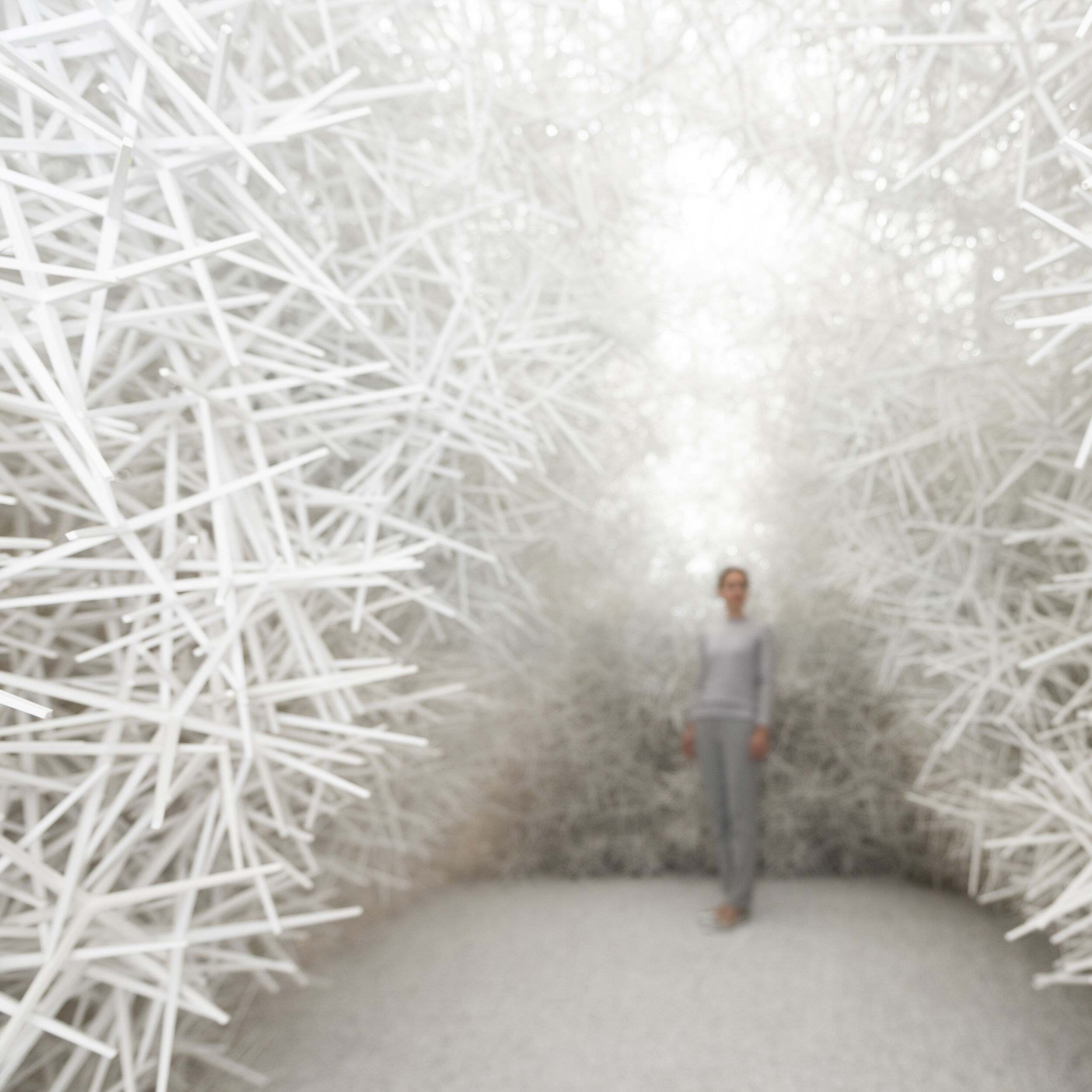
Syntopia 0—Anthropos I Human. Copyright: Karola Dierichs, Institute for Computational Design and Construction (ICD), University of Stuttgart

Matter is rarely completely static: often matter can morph. This is true for all living systems that grow, adapt, and change shape. Indeed, cells divide, leaves and fungi grow, octopuses transform, and wings reshape to control flight. But it is also true that bread rises and that pasta swells. While morphing is omnipresent in the living, it is not confined to it. Harnessing morphing capacities has many potential applications, from machines and robots to architecture.

The goal of this course from 1-5 September 2025, at CISM, the International Centre for Mechanical Sciences in Udine, Italy, is to review the current and fast-growing knowledge about structural materials that change shape or develop spontaneous internal stresses that improve their properties. The emphasis will be on potential applications in the built environment, from houses to infrastructures. The vision that led to the development of this course is that morphing will also increasingly impact our built environment, perhaps encompassing more sustainable solutions than what is common practice today.

Lecturers from physics, engineering, biomaterials science, and architecture, among them MoA members Peter Fratzl and Karola Dierichs, will cover this topic in an interdisciplinary way.

For more information and registration see CISM website.

Dates
1.9.2025–5.9.2025
Calendar

Add dates to calendar

Contact
Cluster of Excellence
Matters of Activity
Image Space Material

Humboldt-Universität zu Berlin
Unter den Linden 6
10099 Berlin
Newsletter

You can subscribe to our Newsletter here. By subscribing, you agree to our Privacy Policy.

Links
  • → For Members
  • → _matter Festival 2025
  • → Legal Notice
  • → Privacy Policy
  • Contact
  • Newsletter
  • For Members
  • _matter Festival 2025
  • Legal Notice
  • Privacy Policy