
Planted Archives
Spuren der Umweltgeschichte im Botanischen Garten des Späth-Arboretums
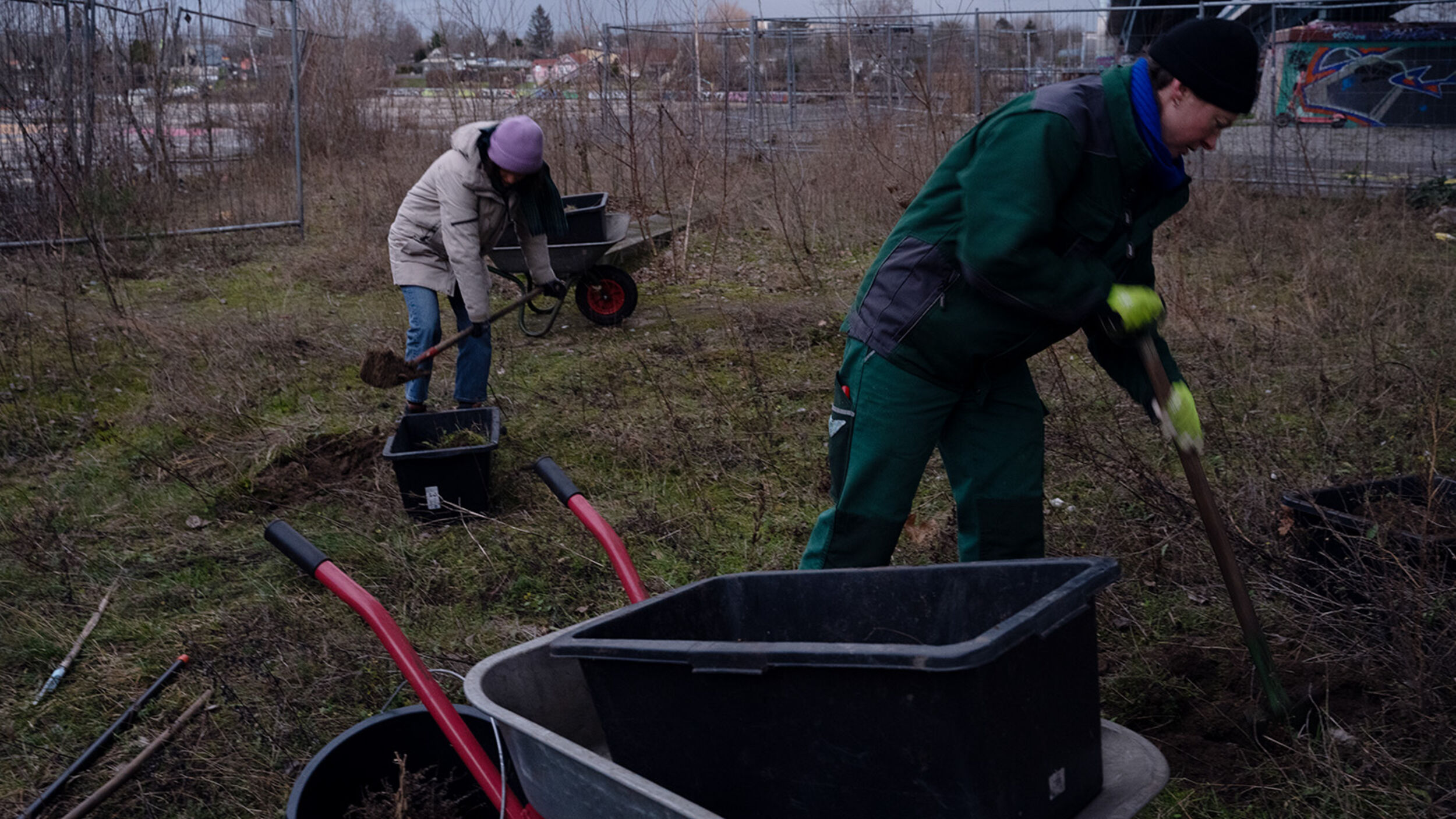
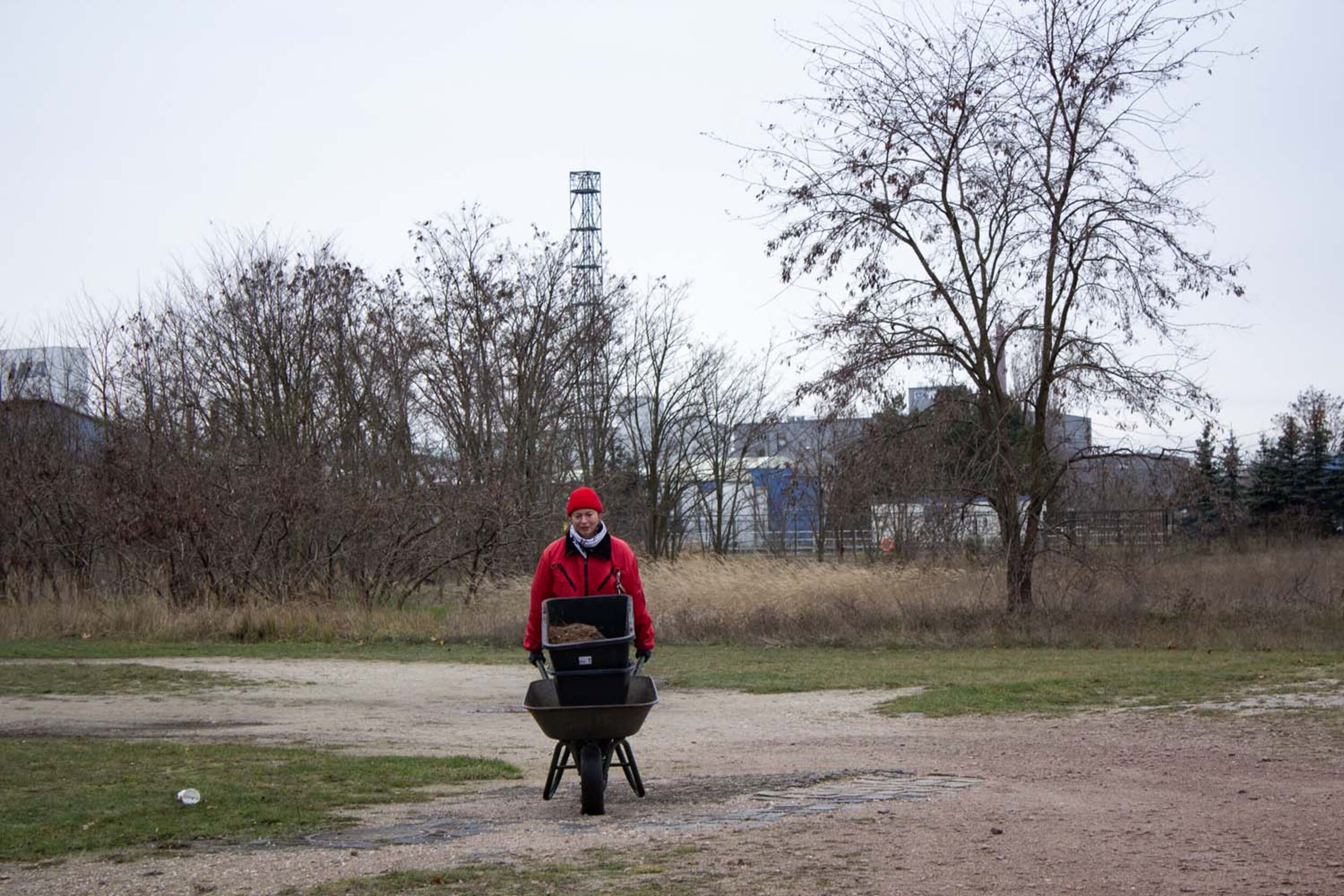
Für die prozesshafte Installation »Planted Archives« wurden Böden von verschiedenen umweltgeschichtlich bedeutsamen Standorten in den Botanischen Garten des Späth-Arboretums gebracht. Boden wird hier als Archiv verschiedener menschlicher und nicht-menschlicher Aktivitäten verstanden. Daher werden die verschiedenen Bodentypen unbehandelt gelassen, um die ungeplante Entwicklung von Pflanzen als Folge der Geschichte von Pflege und Aussaat, Entnahme und Verunreinigung zu beobachten. Ein Projekt von Rahel Kesselring und Maja Avnat in Kollaboration mit dem Späth-Arboretum: Anika Dreilich, Julia Kiehlmann, Mitja Skribelka and Christoph Hacker.
»Planted Archives« ist eine Kooperation mit dem Exzellenzcluster »Matters of Activity« der Humboldt-Universität zu Berlin als Teil des _matter Festivals 2025.
English
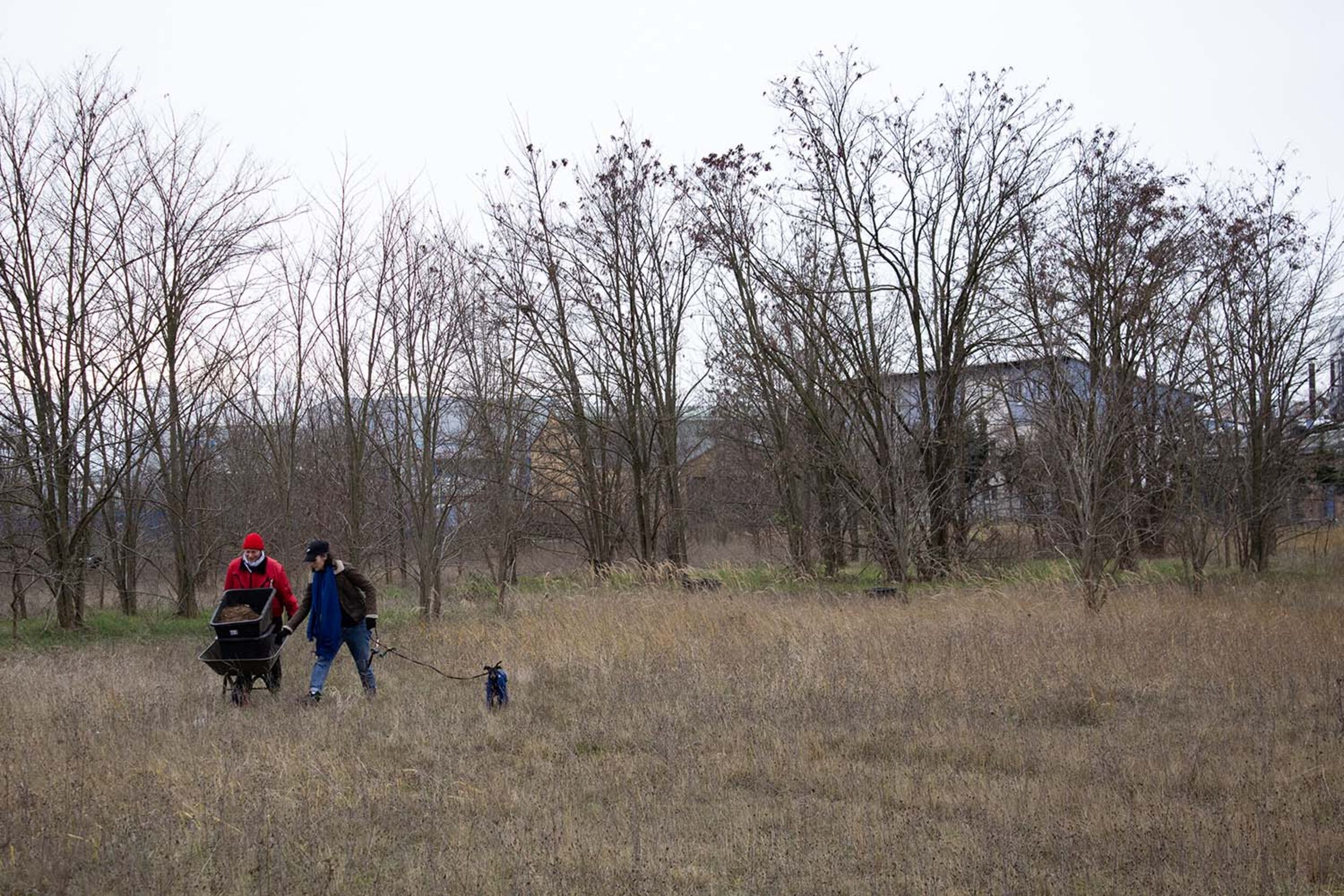
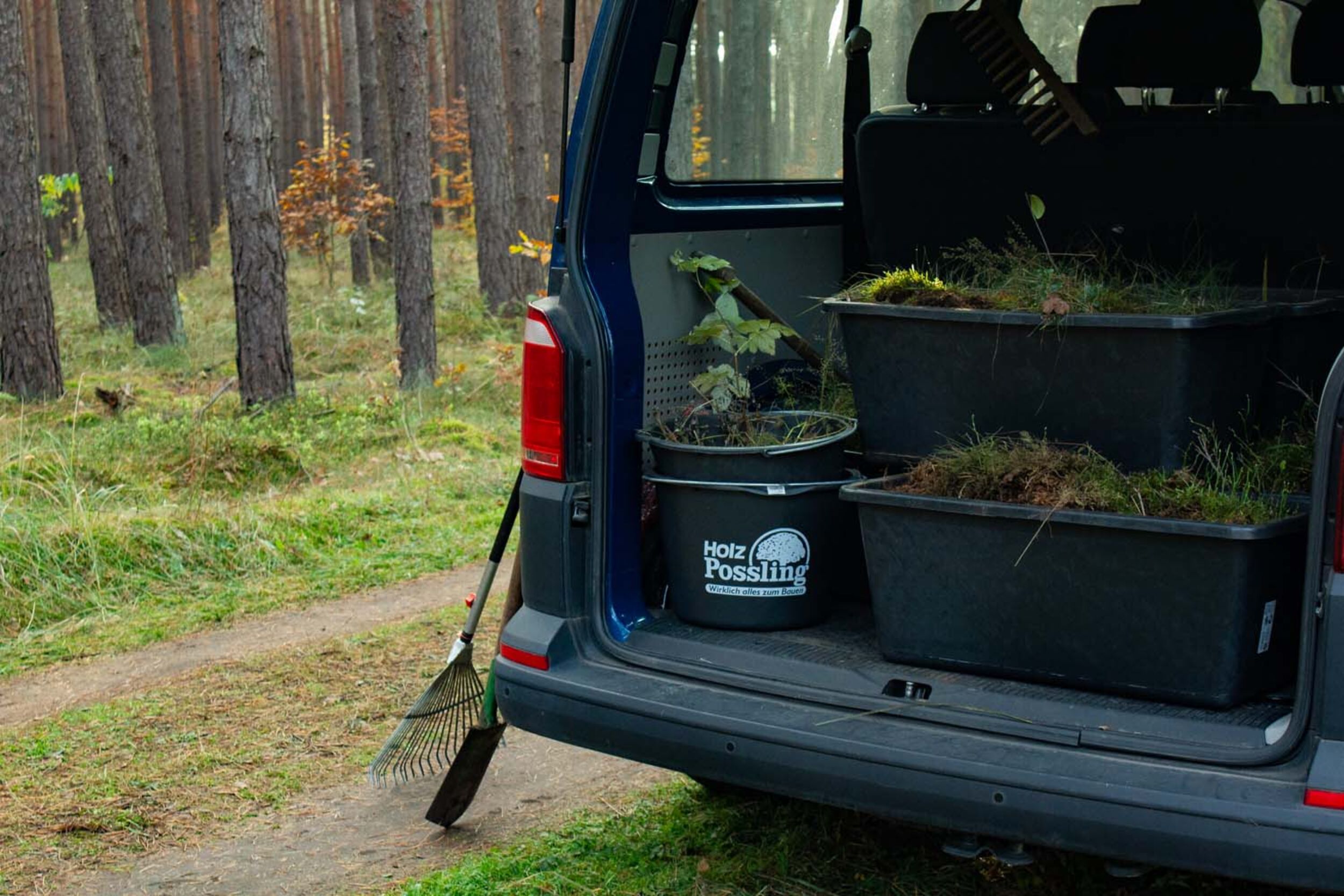
For the process-based installation »Planted Archives« soil was moved from sites of environmental historical significance to the botanical garden of Späth-Arboretum in the winter of 2024/25. The selected sites are strongly marked by their industrial exploitation; on the one hand, they are places that are symbolically charged and, on the other hand, places that are exposed to real contamination: the Spree-Pyramid in Berlin, the protest camp »Tesla stoppen« in Grünheide near Berlin, the film factory in Bitterfeld-Wolfen, and the mining site of Hambacher Forst. One patch has also been filled with compost from Späth-Arboretum, while the soil in a »control patch« has been left as it was.
The six different fields will be left fallow; over time, different plants will overgrow them. We will not direct or control this process, but only observe and document it. With the soils and the plants that will grow on the different patches, we not only want to document the sites, some of which are disappearing, but also commemorate the local struggles to preserve these places. By understanding soil as an archive of non-human and human activities, we are interested in these places as indicators of transition, as focal points of various political and ecological conflicts, but also as an opportunity to speculate about the future of these areas. In the soil of these sites there are not only plant seeds, but also a multitude of narratives and stories: some of destruction and loss, but also of growth and regeneration.
An installation by Maja Avnat and Rahel Kesselring with the support of Anika Dreilich, Julia Kiehlmann, Mitja Skribelka and Christoph Hacker.
»Planted Archives« is a collaboration with the Cluster of Excellence »Matters of Activity« at Humboldt-Universität zu Berlin as part of the _matter Festival 2025.
Spree-Pyramid
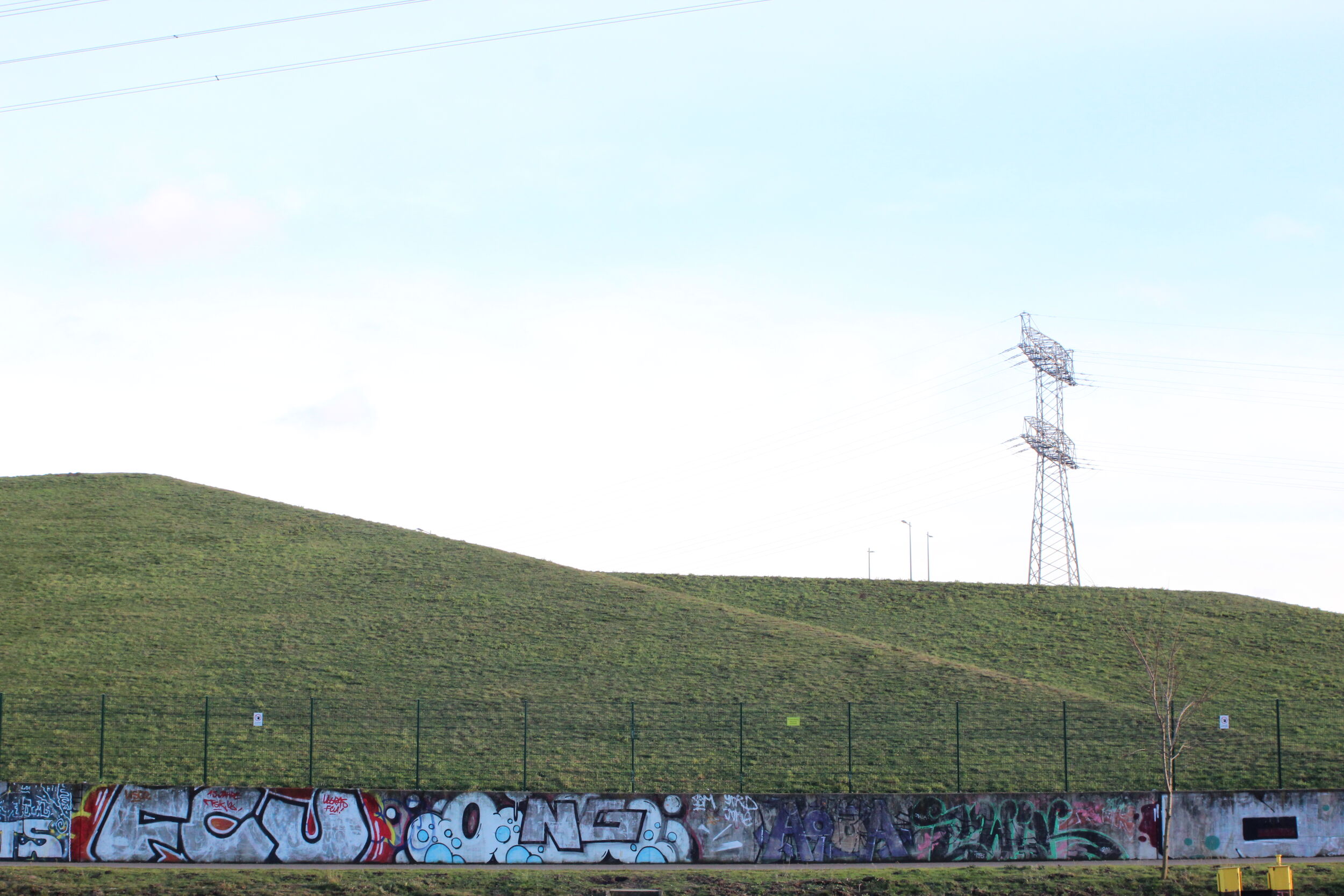
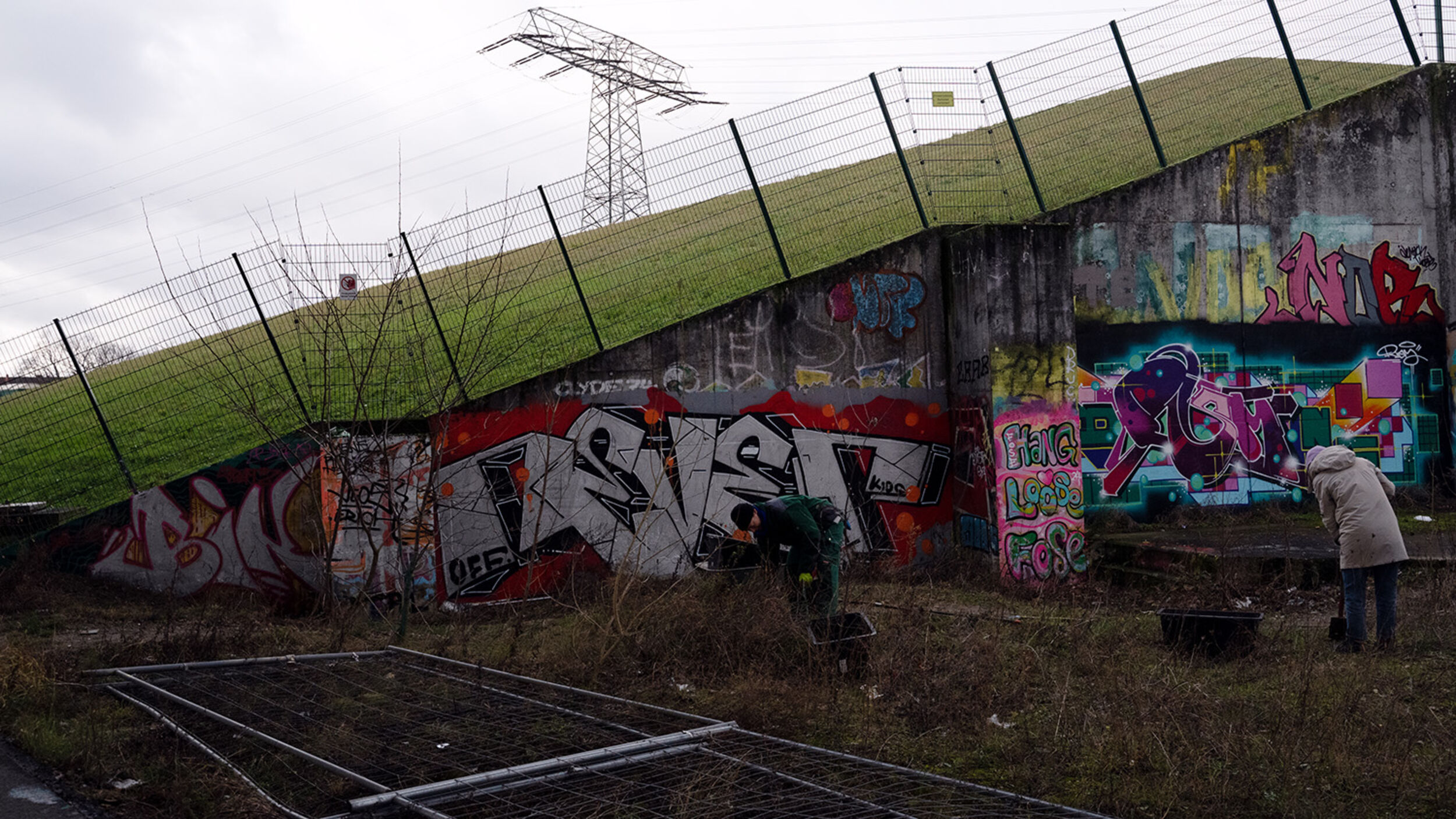
In Niederschönweide in Berlin, on the banks of the river Spree, lies the former landfill site of Kanne factory (later known as Lakufa), where pigments had been produced since the late 19th century. For over a hundred years, production waste was deposited on the riverbank at the edge of the factory grounds. When the site was remediated in the 1990s, toxic substances such as cyanide and arsenic were discovered to have leached into the river Spree and the groundwater.
As part of the remediation, the landfill was reshaped into a pyramid-like form. A retaining wall was constructed deep along the riverbank and canal, and a groundwater-protecting filtration system was installed. Between the pyramid and the river, a small fallow area emerged, where soil has accumulated and vegetation has begun to grow. This section of the patch archives soil from two sides of the Spree-pyramid.
Filmfactory Bitterfeld-Wolfen
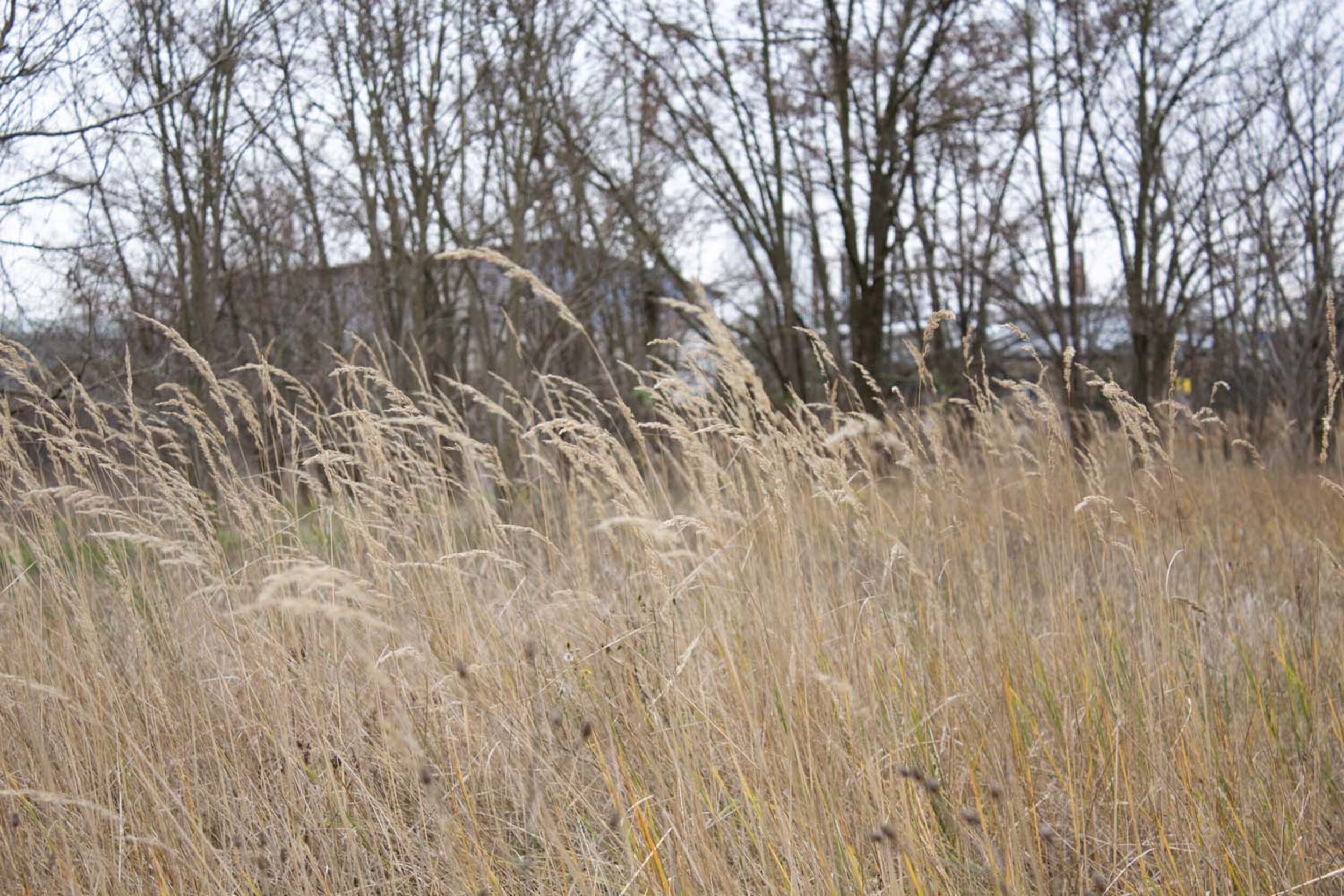
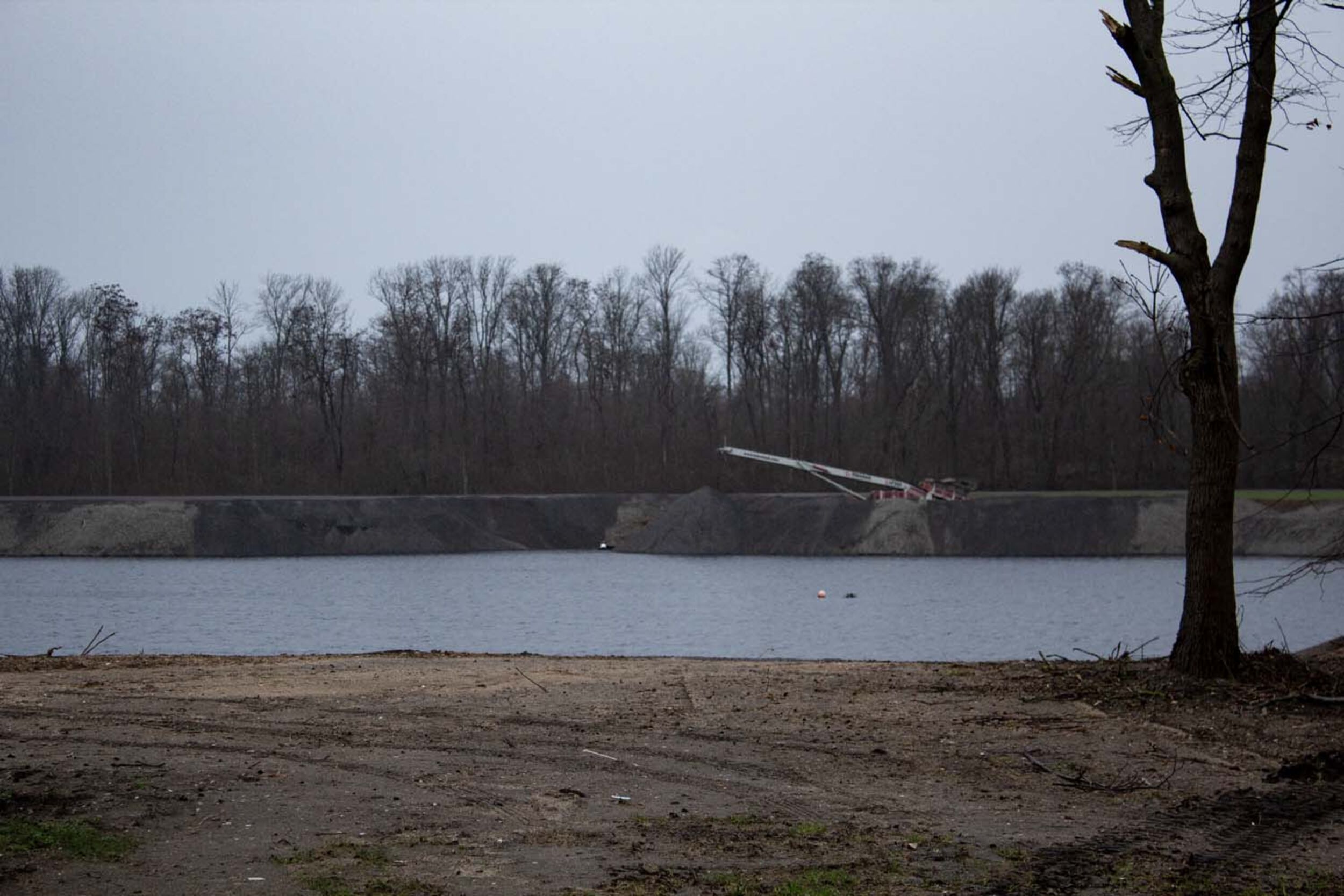
From the mid-20th century onward, the AGFA film and synthetic fiber factory (later known as ORWO) discharged its production wastewater into a nearby former open-cast mining pit, which came to be known as »Silbersee« (Silver Lake) due to the chemical substances released into it. The heavy metals in the wastewater contaminated the soil killed the surrounding vegetation and caused health problems for nearby residents. After nearly a century of film production, the factory was largely demolished in 1990. Bitterfeld-Wolfen became a symbol of environmental pollution during the GDR era. Today, only one production hall remains, now housing an industry and film museum. In front of it lies a derelict area where plants have begun to spread. The »Silbersee« is currently being backfilled to cover the heavy metal-contaminated sludge, with the aim of »recultivating« the surface by 2030 through planting that supports regional ecosystems. This section of the patch archives soil from the wasteland in front of the former factory and from the banks of the Silbersee.

Protest Camp »Tesla Stoppen« Grünheide
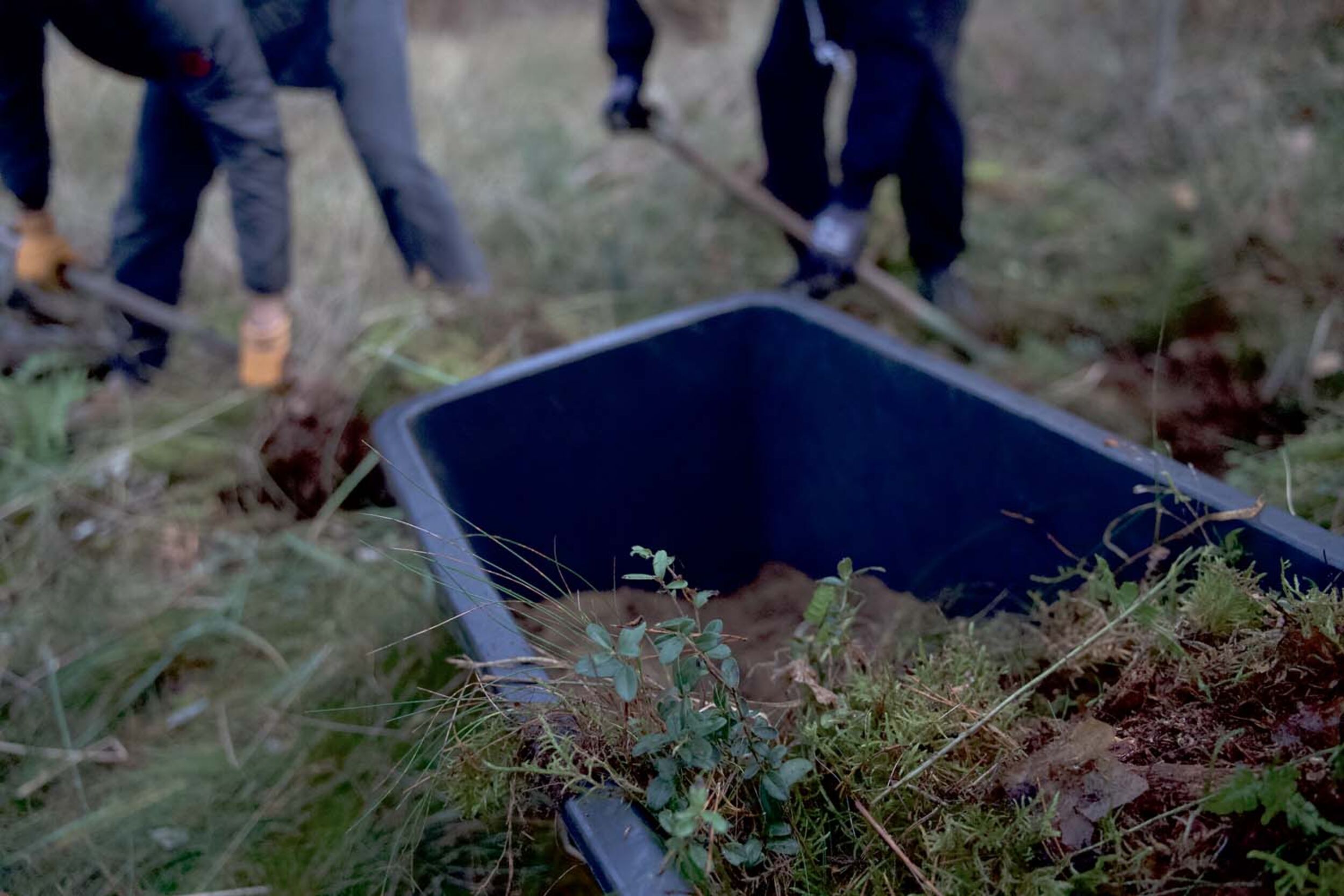
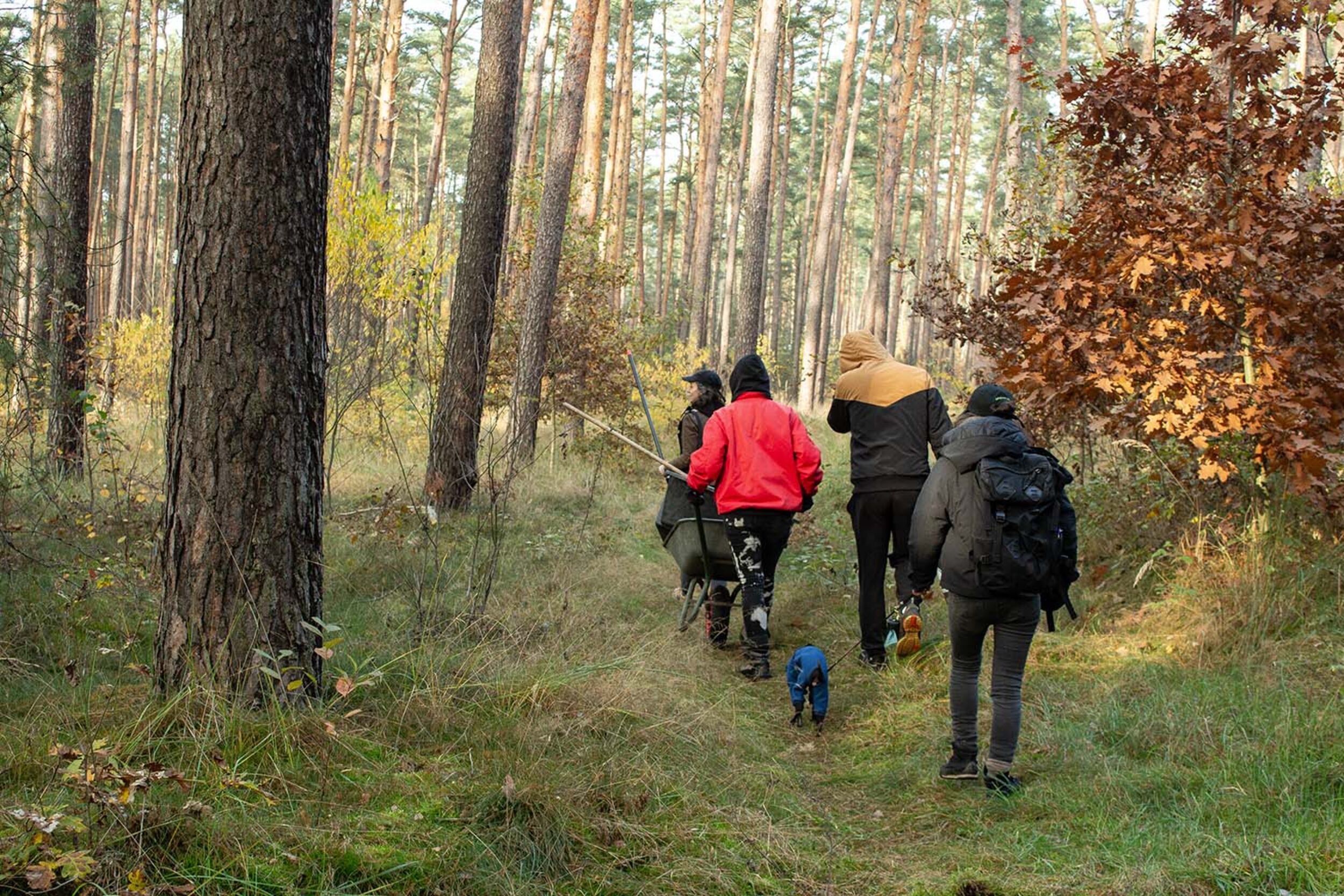
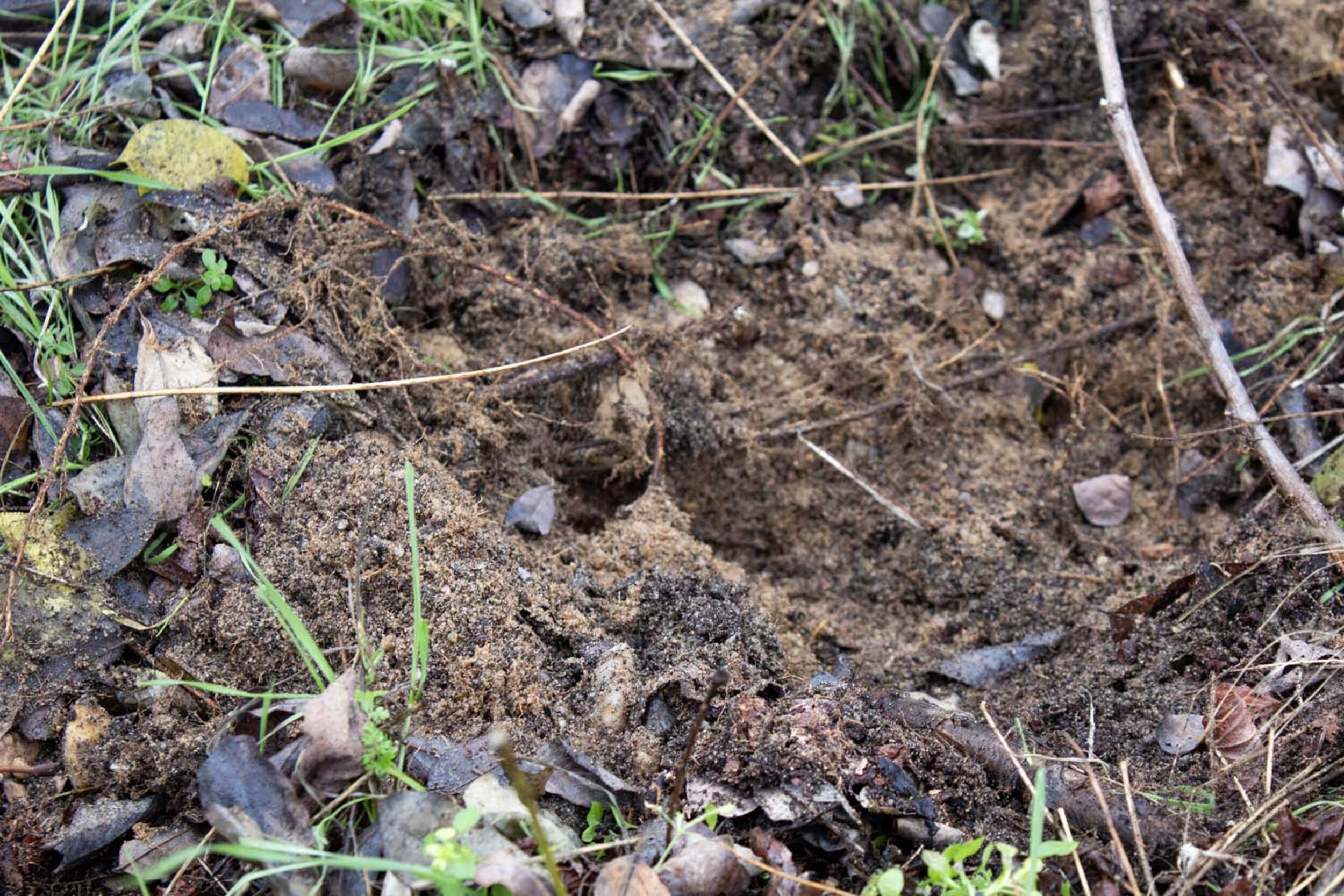
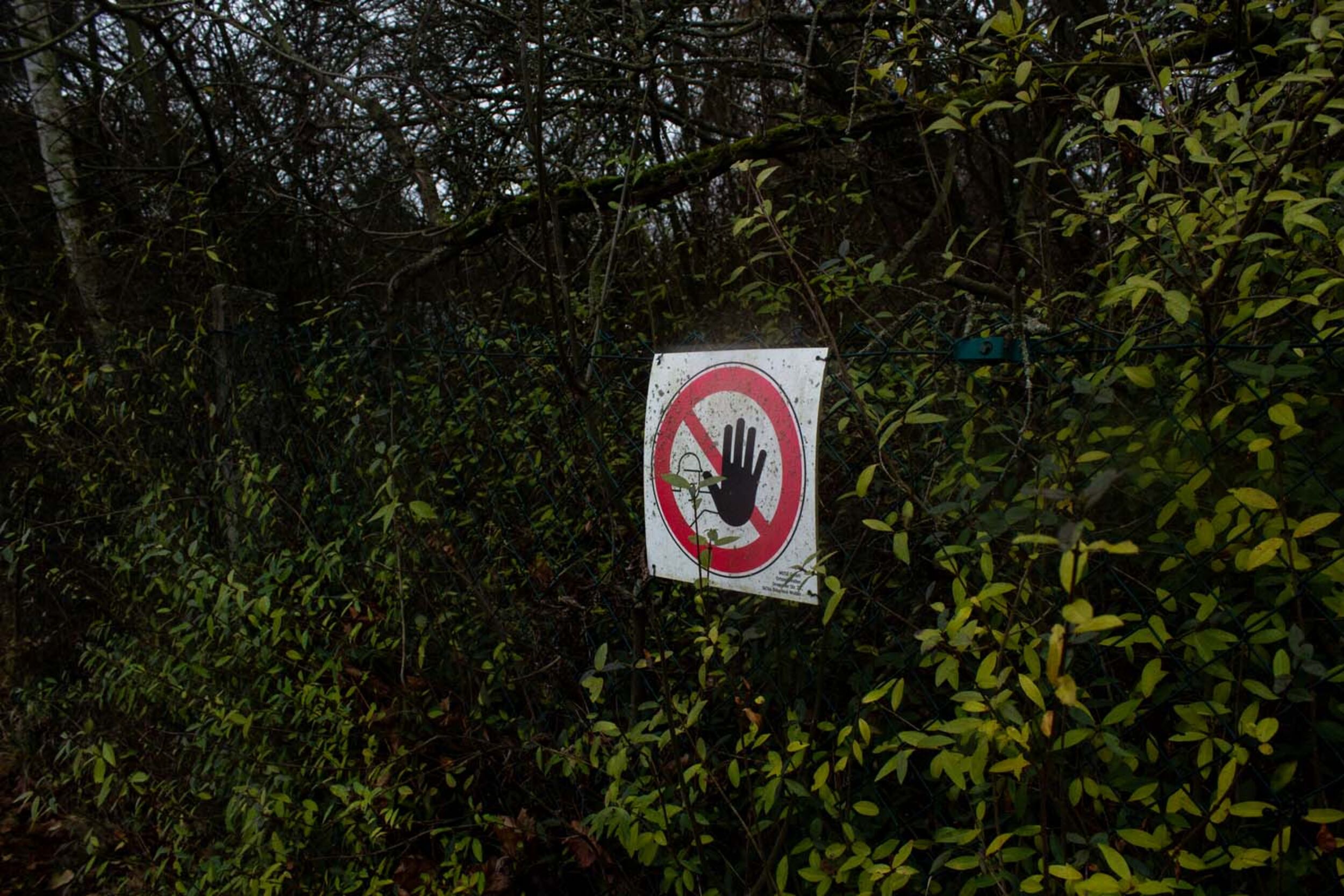
The area near the Tesla factory in Grünheide east of Berlin was occupied by activists during 2024 to prevent the planned expansion of the production facilities into a water protection area. The factory site, owned by a democracy-hostile billionaire, is set to be doubled, and 100 hectares of forest in a drinking water protection area would have to be cleared to achieve this. The increased water consumption of the factory's production in the already dry region contributes to the shortage of drinking water and the resulting drinking water rationing for local residents, as well as the increased risk of forest fires. The protest camp was cleared by the police at the end of 2024. The forest floor where the protest camp was located could soon be sealed with asphalt and concrete. This section of the patch archives soil from this protest site.
Hambacher Forst
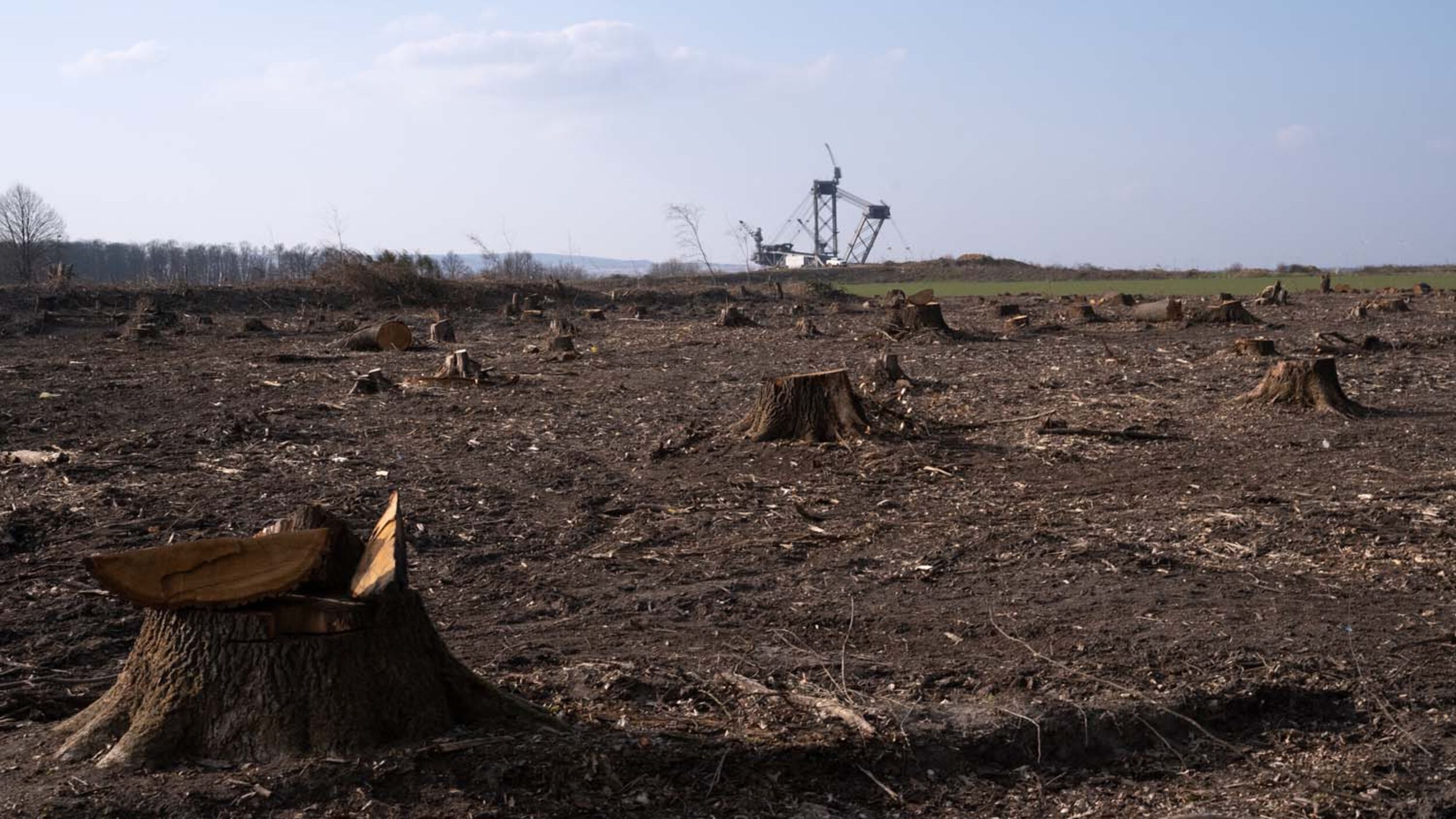
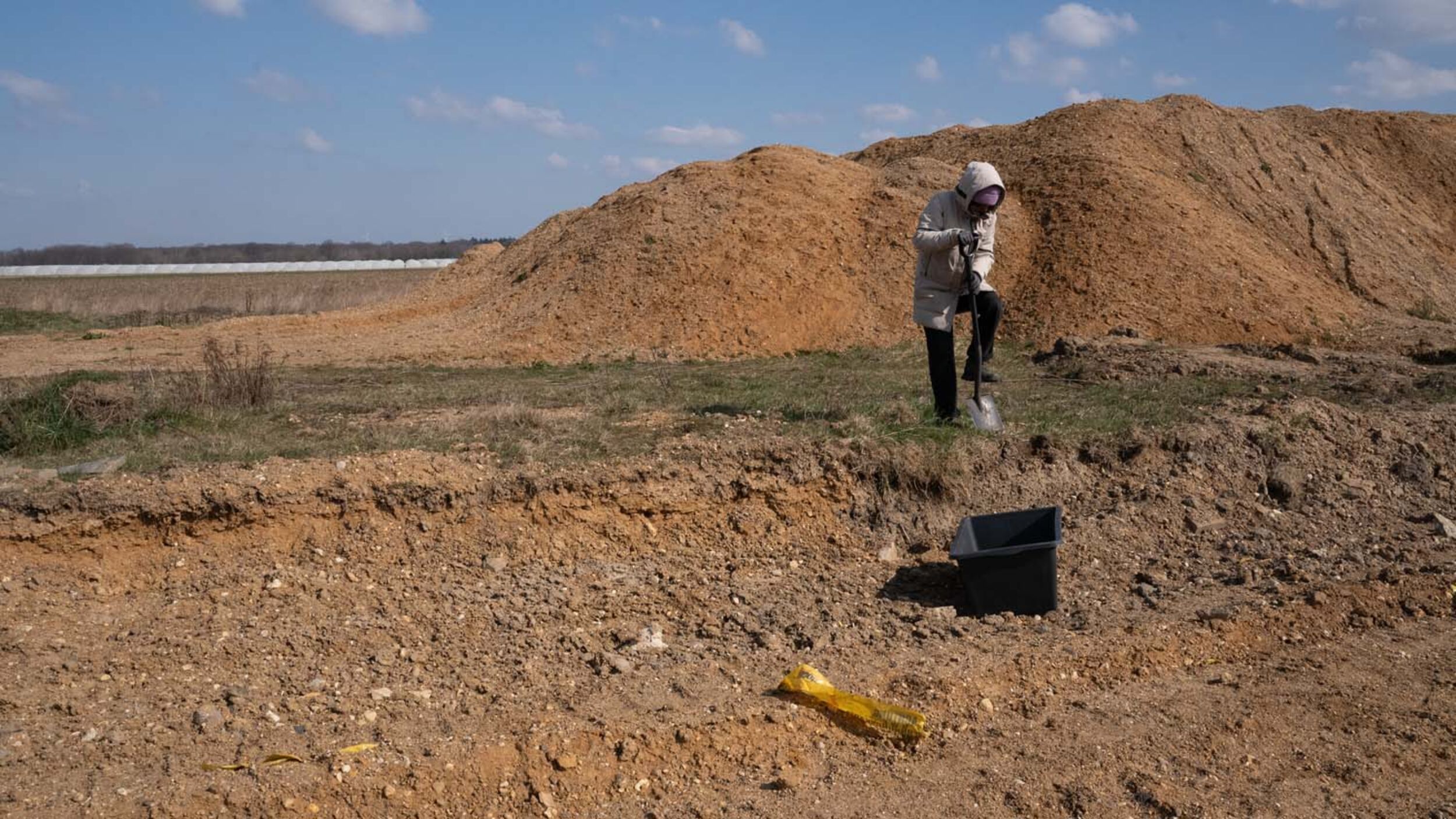
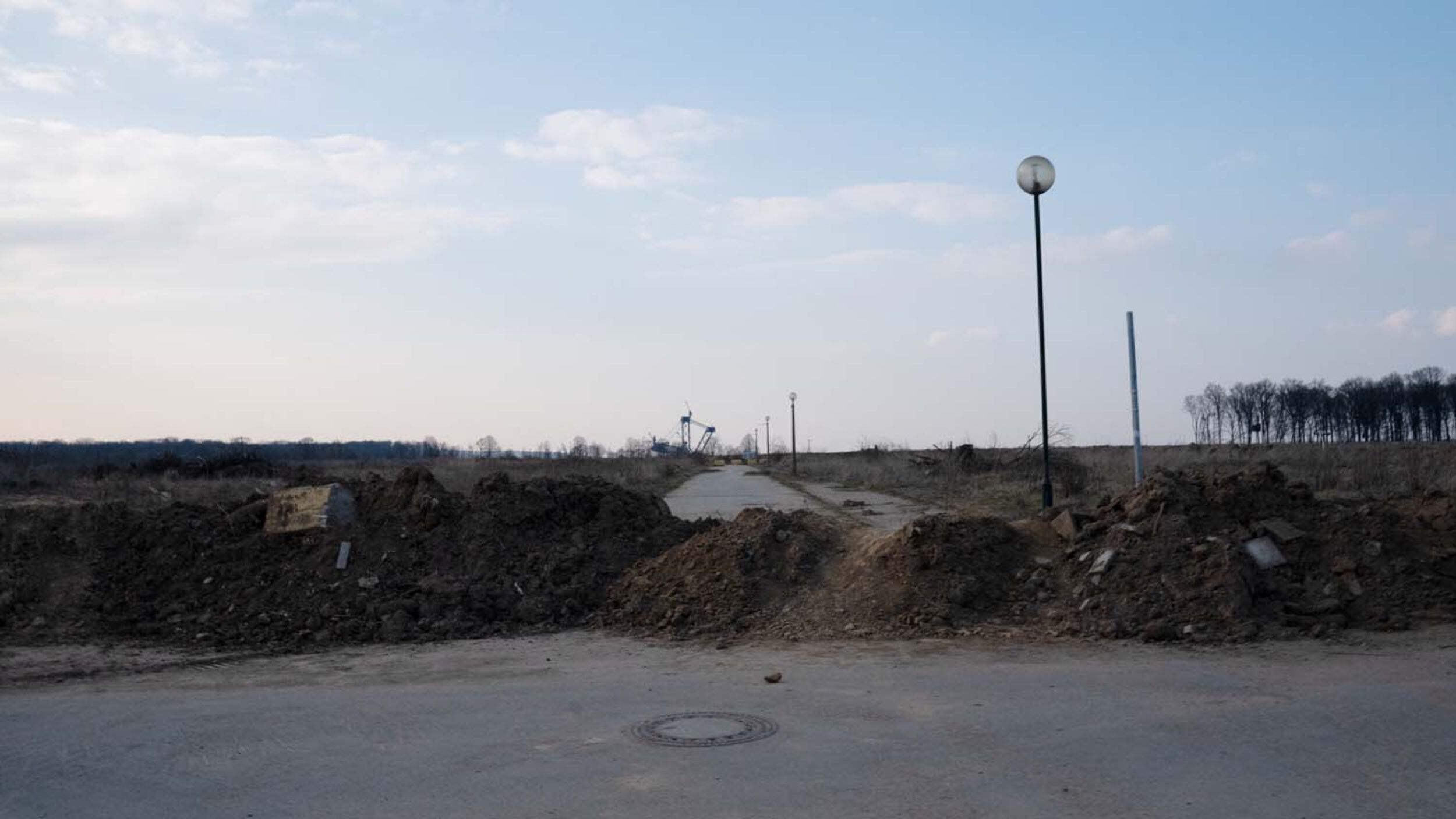
Hambacher Forst (Hambach forest) is an area that was once densely forested and is now one of the largest active coal mining areas in Europe. The Hambach Forest has been occupied since 2012 and is of national and international importance in the political struggle against coal mining and for the environmental movement in Germany. Most of the infrastructure around the Hambach Forest is currently being abandoned and demolished, and the forest is being cleared to make way for open-cast mining. Since the evacuation of the residents and the destruction of the infrastructure, the area has been overgrown with ruderal vegetation and once-cultivated plants. This section of the patch archives soil from the still-existing Hambach Forest, as well as from an area occupied in the spring of 2025 in the former town of Manheim.

Compost
Philosophers and theorists have described composting as a collaborative process shared by a community of diverse living beings and entities: »we are all compost« (Donna Haraway). This patch gathers the remnants of gardening work from Späth-Arboretum. The plant material originates from species introduced from various regions of the world and have been planted and cared for in the arboretum since the late 19th century and still are. The various layers of plant matter decompose with the help of worms, bacteria, and gardeners — as well as the forces of water and weather. This section of the patch serves as an archive of this collaborative process.
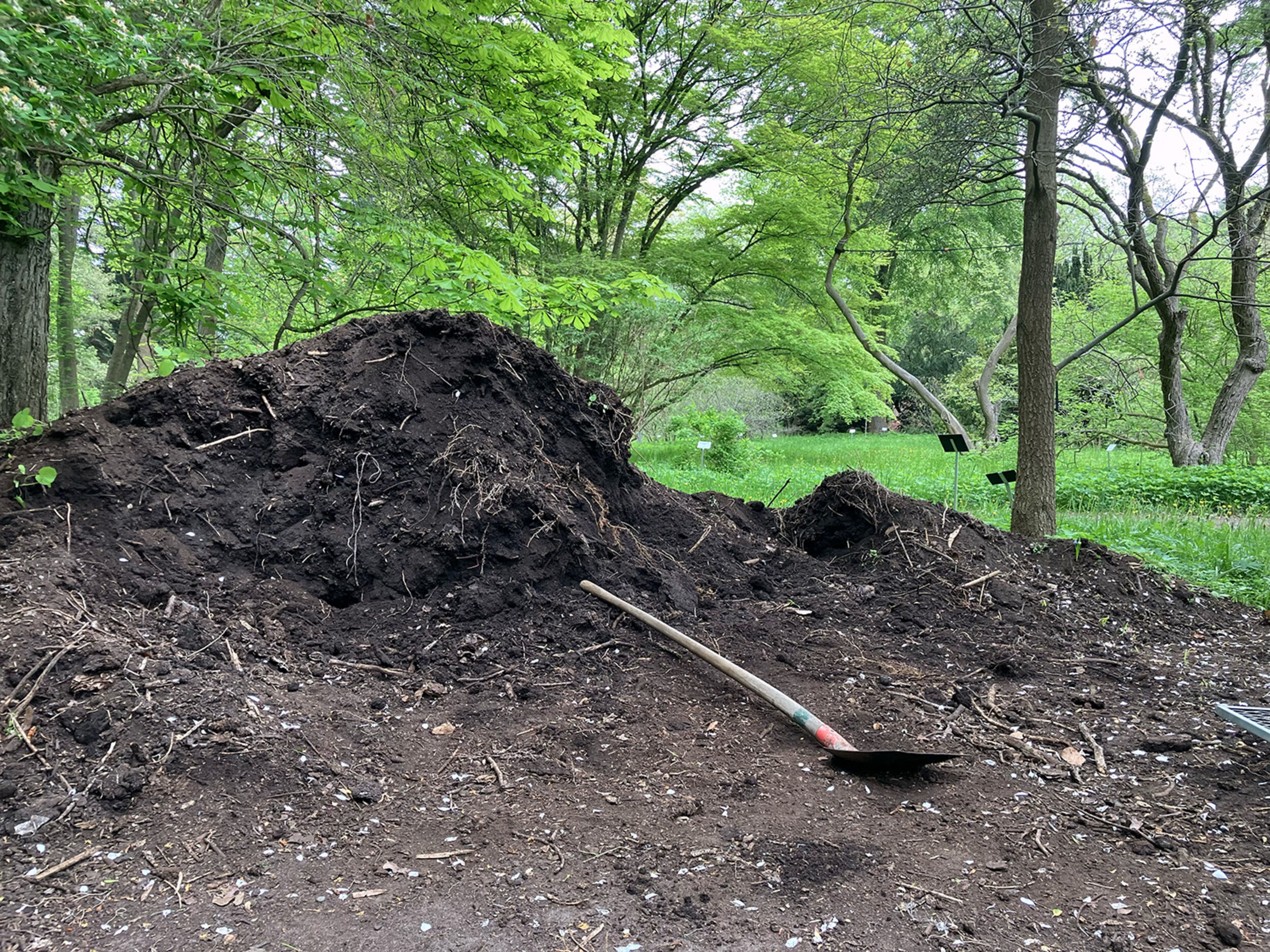
Kompost. Copyright: Rahel Kesselring